 Pin
Pin There's something quietly magical about the moment when raw ingredients transform into something silky and inviting. I discovered this white bean dip on an ordinary Tuesday evening when I had a handful of pantry staples and unexpected dinner guests arriving within the hour. Desperate to contribute something to the table, I grabbed a can of beans, lemons, and olive oil—the holy trinity of Mediterranean cooking—and within minutes, I'd created something so elegant and simple that my guests kept circling back to it all night. That's when I realized that sometimes the best recipes aren't found in cookbooks; they're discovered in moments of need.
I'll never forget serving this at a small gathering where a friend mentioned she'd been avoiding dips because store-bought versions left her feeling sluggish. When she tasted this one and asked what was in it, her relief was palpable—just beans, lemon, garlic, and olive oil. She ended up making a batch herself that week and told me it became her go-to for work lunches, thinned slightly as a dressing. That's when I understood this recipe had moved beyond being just appetizer fare; it was becoming a building block for how people wanted to eat.
Ingredients
- White beans (cannellini or great northern): Canned beans are perfectly fine here—just rinse them well to remove excess sodium and starch. If you want an ultra-silky result, blanch them quickly and slip off the thin skins, though honestly, most people never notice the difference.
- Garlic cloves: Two cloves give you presence without overpowering; if you're garlic-forward like me, mince an extra half clove, but taste as you go.
- Extra-virgin olive oil: This is your fat and flavor carrier, so use something you'd actually pour over a salad—it makes a real difference in the final taste.
- Fresh lemon juice: Never use bottled here; the brightness you get from real lemons is what lifts this entire dip from flat to memorable.
- Fine sea salt and black pepper: These aren't afterthoughts—they're what coax out the bean's subtle sweetness and balance the acid.
- Ground cumin (optional): A pinch adds warmth and earthiness, hinting at spice markets and Mediterranean hillsides.
- Fresh parsley or chives (optional): These are your final flourish, adding color and a fresh green note that makes people think you spent hours on this.
Tired of Takeout? 🥡
Get 10 meals you can make faster than delivery arrives. Seriously.
One email. No spam. Unsubscribe anytime.
Instructions
- Combine your base:
- Add white beans, minced garlic, olive oil, lemon juice, salt, and pepper to your food processor or blender. Let the ingredients sit for a moment—it helps the garlic flavor begin to bloom into everything else.
- Blend until creamy:
- Pulse first, then blend on a medium speed until you reach that perfect velvety consistency. Stop occasionally to scrape the sides—those stubborn bean bits clinging to the walls are flavorful, so make sure they get incorporated.
- Taste and adjust:
- This is crucial: a squeeze more lemon might be exactly what you need, or perhaps a pinch more salt. Trust your palate over the recipe—every lemon varies, and you're the expert on your own taste.
- Add optional flavors:
- Blend in cumin or fresh herbs if you're using them, pulsing just enough to distribute them evenly without overworking the dip.
- Plate and serve:
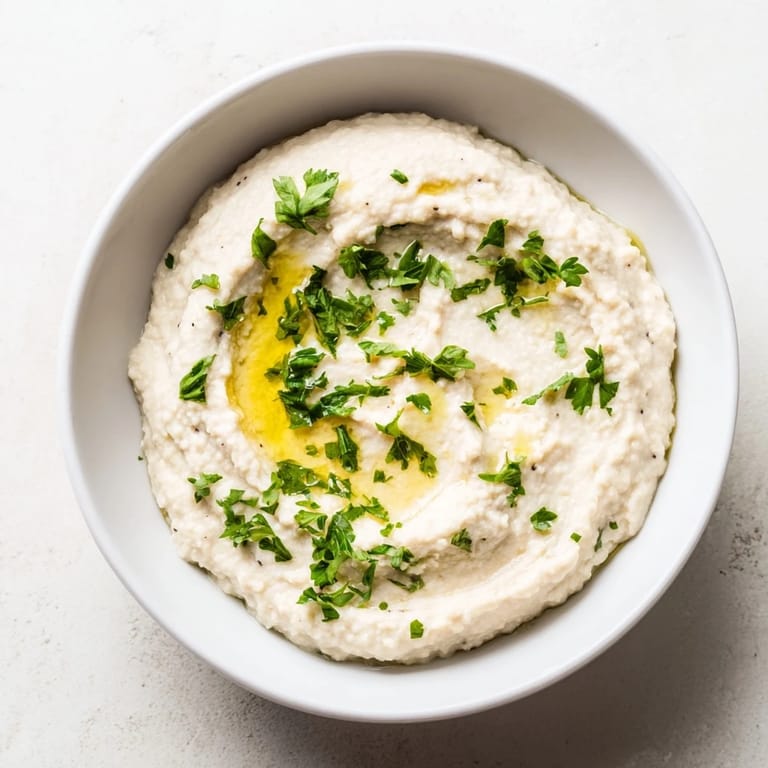
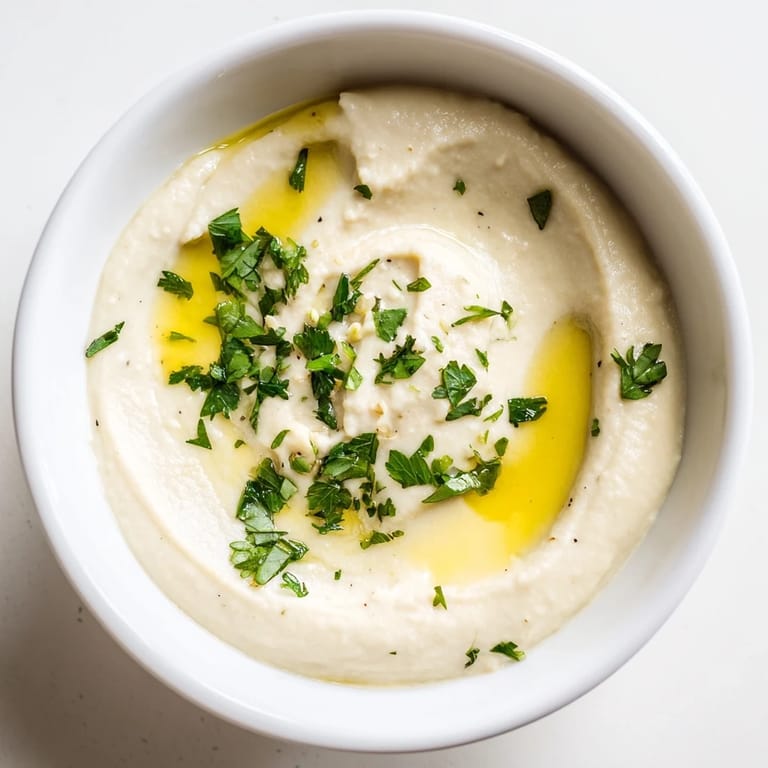
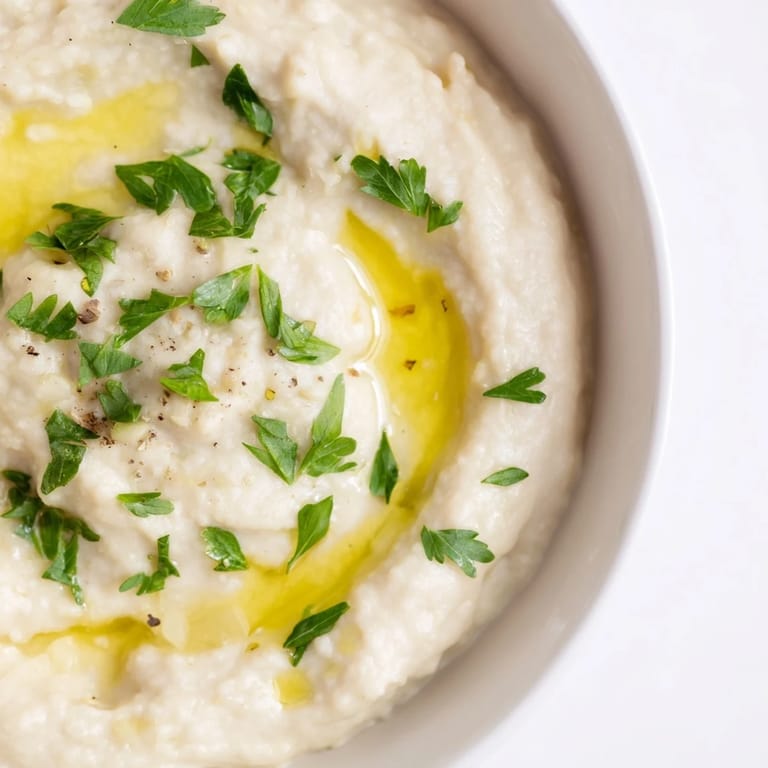
- Transfer to a shallow serving bowl, drizzle generously with olive oil (this visual touch matters more than you'd think), and scatter fresh herbs on top. Surround it with pita, raw vegetables, or crackers.
 Pin
Pin I remember the first time someone brought this dip to a potluck and watched grown adults have quiet moments of appreciation over something so simple. One person asked if it was homemade, and when told yes, they looked almost touched—as though simplicity from scratch meant something more than the store-bought equivalent. That's the real power of this recipe: it feels generous because it actually is.
Why This Works
White beans have a naturally buttery texture that becomes creamy almost instantly when blended, without needing cream, mayo, or any heavy lifting. The acid from fresh lemon juice keeps everything bright and prevents that dense, monotone quality that ruins so many bean dips. Olive oil adds richness while the garlic provides just enough sharp edge to make every bite interesting. The ratio is forgiving enough that small changes in your hand don't ruin the result, which is exactly why this recipe survives the transition from a professional kitchen to someone's home pantry.
Beyond the Bowl
Once you've made this dip once, you'll start seeing endless applications for it. Spread it on toast and top with roasted tomatoes for a quick lunch, thin it with a little water and lemon for a salad dressing that coats greens beautifully, or layer it in a grain bowl with roasted vegetables and a soft-cooked egg. I've also stirred in a spoonful of tahini to make it richer and more substantial—it transforms into something almost like hummus's sophisticated cousin. The flexibility is part of what makes this recipe live in my kitchen year-round, changing shape based on what I need it to be.
Variations and Personal Touches
The beauty of this recipe is that it accepts your preferences without complaint. Some mornings I add roasted red peppers for color and sweetness, other times a small pinch of smoked paprika when I'm craving something deeper. I've made versions with fresh mint in summer and versions with caramelized garlic when I wanted something sweeter and mellower. Don't think of the base recipe as law—think of it as the foundation you're allowed to build on with whatever speaks to you in that moment.
- Try a half teaspoon of harissa for North African warmth and a gentle heat that builds slowly.
- Roast your garlic cloves first to mellow them into something almost sweet and complex.
- Stir in a tablespoon of miso paste for umami depth and a savory edge that makes people ask what the secret ingredient is.
 Pin
Pin This dip has become one of those recipes I return to constantly because it asks so little and gives so much. It's proof that some of the best food comes not from complexity, but from respecting simple ingredients and giving them space to shine together.
Recipe Q&A
- → What beans work best for this dip?
Cannellini or great northern beans provide a creamy texture and mild flavor, ideal for blending smoothly.
- → Can I adjust the seasoning?
Yes, tasting during blending allows you to add more lemon juice, salt, or olive oil to suit your preference.
- → How can I make the dip smoother?
Peeling the beans before blending or adding a bit of water can create a silkier consistency.
- → Are there options for extra flavor?
Adding ground cumin or fresh parsley and chives enhances layers of flavor without overpowering the base.
- → What are good serving suggestions?
Serve drizzled with olive oil alongside pita bread, fresh vegetables, or crackers for a light appetizer.