 Pin
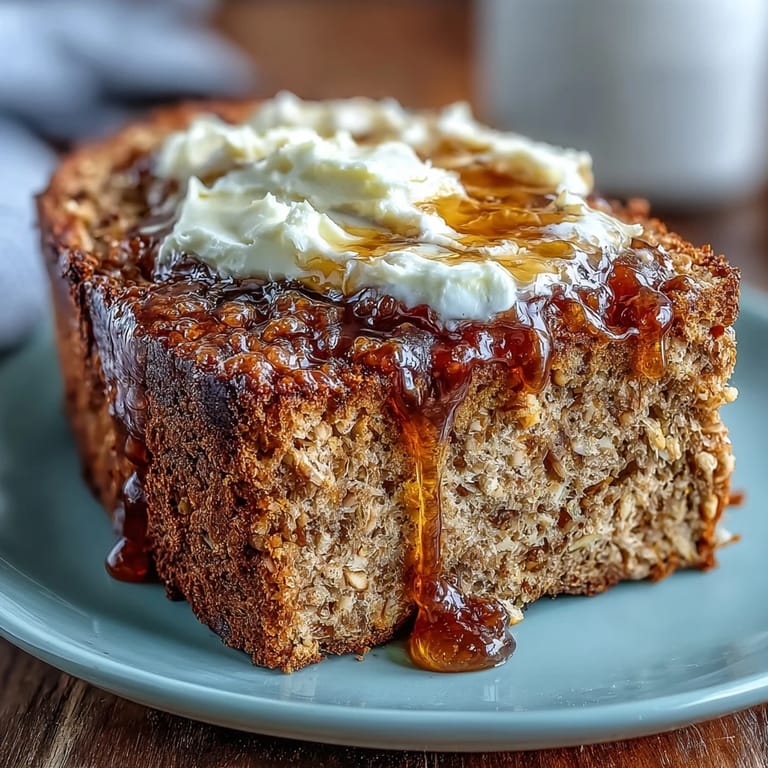
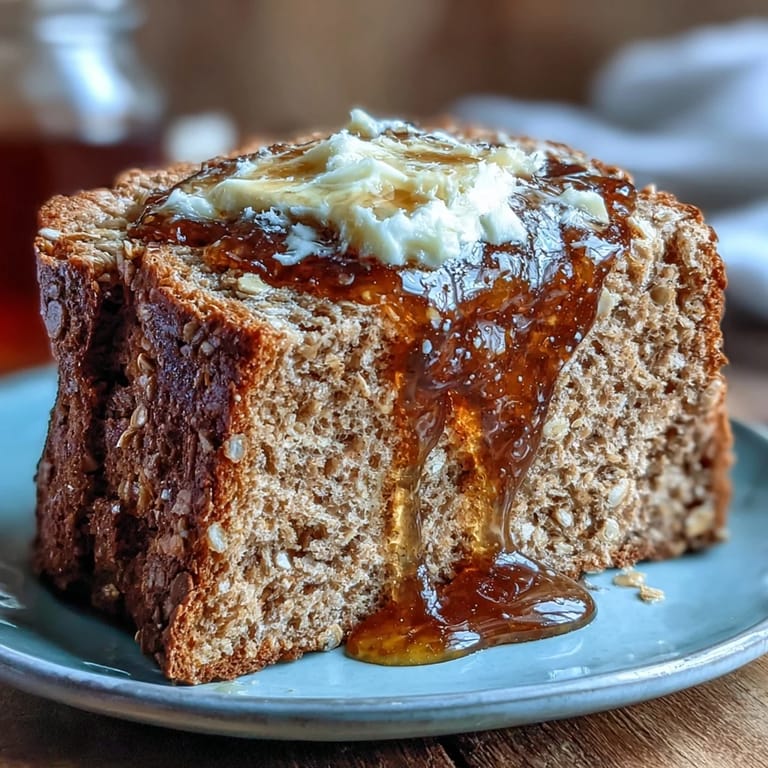
Pin There's something about the smell of Irish brown bread baking that stops you mid-thought. I discovered this recipe on a grey Dublin morning when a friend's mother pulled a steaming loaf from her Aga, sliced it thick, and slathered it with honey butter while it was still warm enough to make the butter pool into golden rivers. That simple act—the bread's dense crumb giving way, the butter melting into every crevice—felt like tasting comfort itself. I've been chasing that exact moment in my own kitchen ever since, and this recipe captures it perfectly.
I made this for my sister's book club last month, and watching eight people tear into warm slices with that honey butter told me everything I needed to know. One person asked for the recipe before dessert was even served, which is the highest compliment a host can receive. It became the thing people actually remembered from the afternoon, not the fancy appetizers I'd obsessed over.
Ingredients
- Whole wheat flour (250 g): This is your bread's backbone, giving it that distinctive dense, nutty character that defines Irish brown bread. If you can find actual Irish wholemeal flour, it makes a difference, but regular whole wheat works beautifully.
- All-purpose flour (125 g): This softens the heavier wheat flour just enough so the crumb isn't brick-like, creating that perfect balance between hearty and tender.
- Baking soda (1 teaspoon): Your leavening agent here since this bread skips yeast entirely; it reacts with the buttermilk's acidity to create lift and that subtle tang.
- Salt (1 teaspoon): Enhances flavor and steadies the gluten structure, preventing the bread from spreading too wide.
- Rolled oats (2 tablespoons, plus extra for topping): They add texture and a whisper of earthiness that makes people wonder what your secret ingredient is.
- Brown sugar (2 tablespoons): A touch of molasses-tinged sweetness that deepens the bread's flavor without making it dessert-like.
- Buttermilk (480 ml): The acidic liquid that activates the baking soda and gives the bread its characteristic tender crumb and slight tang.
- Unsalted butter (115 g): For the honey butter, it becomes a silky vehicle for the honey's sweetness once beaten smooth.
- Honey (2 tablespoons): Adds floral sweetness and helps keep the butter spreadable without hardening in the cold.
Tired of Takeout? 🥡
Get 10 meals you can make faster than delivery arrives. Seriously.
One email. No spam. Unsubscribe anytime.
Instructions
- Heat your oven and prepare your stage:
- Set the oven to 425°F (220°C) and line a baking sheet with parchment paper or lightly grease a loaf pan. This moment matters because you'll be working quickly once the dough comes together.
- Combine your dry ingredients:
- Whisk together the whole wheat flour, all-purpose flour, baking soda, salt, oats, and brown sugar in a large bowl until everything is evenly distributed. This mixing ensures the leavening is spread throughout so your bread rises evenly.
- Create a well and add the buttermilk:
- Make a well in the center of your dry mixture and pour in all the buttermilk at once. Stir gently with a wooden spoon, just until a shaggy, slightly sticky dough forms—resist the urge to overwork it, as that toughens the bread.
- Shape your loaf:
- Turn the dough out onto a lightly floured surface and shape it into a round loaf about 2 inches thick with your hands. Place it on your prepared baking sheet or in the loaf pan, letting it feel natural and rustic rather than perfectly symmetrical.
- Score and garnish:
- Using a sharp knife, cut a deep cross into the top of the loaf—this is both traditional and practical, as it helps the bread bake evenly and gives it a beautiful presentation. Sprinkle extra oats over the top if you like the visual appeal and extra texture.
- Bake until golden:
- Bake for 35 to 40 minutes, until the top is deep golden brown and the bottom sounds hollow when you tap it (that hollow sound is your confirmation it's done). Transfer to a wire rack to cool; patience here means the crumb sets properly instead of remaining gummy.
- Make the honey butter:
- While the bread cools, beat the softened butter, honey, and a pinch of salt together in a small bowl until smooth and creamy. This can be done by hand with a fork if you don't have a mixer, though a whisk makes it fluffier.
- Slice and serve:
- Once the bread has cooled enough to slice without destroying its structure, cut thick slices and spread them generously with the honey butter while the bread is still slightly warm. That warmth makes the butter melt into every crevice, creating the experience worth all this effort.
 Pin
Pin There was a moment last week when my daughter took a bite of this bread, paused, and asked if we could make it every week. She's not usually sentimental about food, so that question hit differently. It reminded me that the best recipes aren't the complicated ones; they're the ones that become part of your rhythm.
Why Buttermilk Is Your Secret Weapon
Buttermilk isn't just another ingredient here—it's the foundation of everything that makes this bread special. The acidity reacts with baking soda to create lift and structure, but it also contributes a subtle tangy flavor that deepens the whole wheat's earthiness. Without it, you'd have bread; with it, you have something that tastes intentional and alive. I learned this the hard way when I tried substituting regular milk once and ended up with a dense, forgettable brick that even generous honey butter couldn't rescue.
The Cross on Top Actually Matters
When I first made this bread, I skipped the cross-scoring step because it felt unnecessary and old-fashioned. The result was a loaf that cracked randomly across the top, looking chaotic rather than charming. The next time I cut that deep cross, and suddenly everything changed—the bread rose in a controlled way, the steam escaped evenly, and it looked intentional and proper. It's one of those moments where tradition exists for a reason, not just for aesthetics.
Variations That Actually Work
This bread is forgiving enough to welcome additions without losing its identity. Some mornings I add walnuts for crunch and earthiness, other times I stir in sunflower seeds for nuttiness and visual interest. The beauty is that the base recipe is strong enough that these variations enhance rather than distract. Here are the swaps that genuinely improve the experience:
- Toast your walnuts or seeds lightly before adding them so their flavors bloom rather than staying quiet.
- If making it vegan, swap the butter and buttermilk for plant-based alternatives, mixing plant milk with vinegar to replicate buttermilk's tang.
- For an extra depth of flavor, replace a quarter cup of all-purpose flour with spelt or barley flour if you can find them.
 Pin
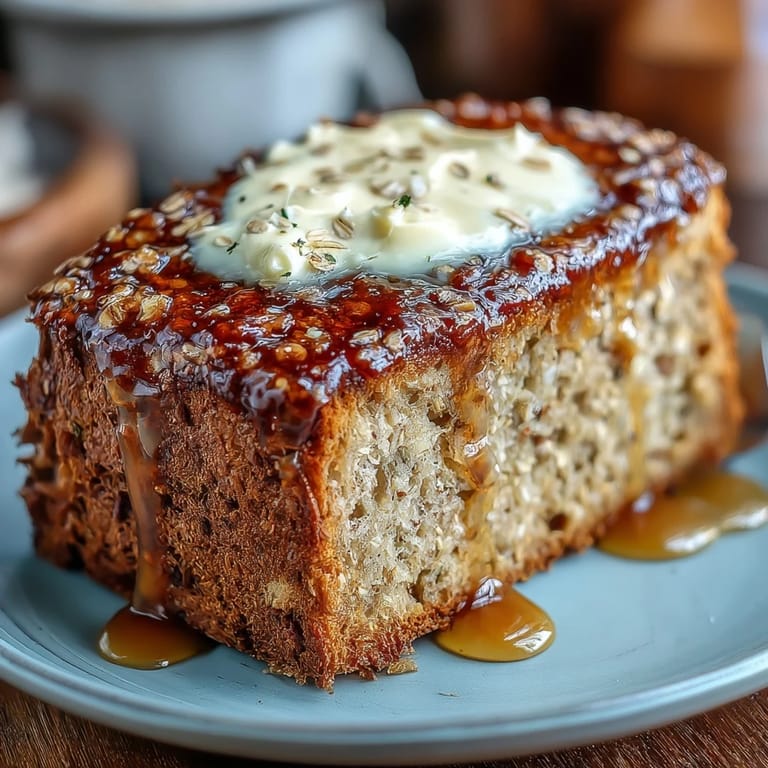
Pin This bread has become my answer to the question of what to bring when I want to show up for someone without overcomplicating things. Warm slices with honey butter say everything that matters.
Recipe Q&A
- → What type of flour is best for this bread?
Using a mix of whole wheat and all-purpose flours creates a balanced texture. Irish-style whole wheat flour adds authenticity if available.
- → How does baking soda affect the bread?
Baking soda acts as a leavening agent, giving the bread a light, tender crumb without yeast.
- → Can I add nuts or seeds to the dough?
Yes, adding chopped walnuts or sunflower seeds enhances nuttiness and texture.
- → What’s the best way to bake the loaf evenly?
Preheat the oven to 425°F (220°C) and bake on parchment paper or a greased loaf pan for uniform heat distribution.
- → How do I prepare the honey butter?
Simply beat softened unsalted butter with honey and a pinch of salt until creamy and smooth.
- → Is there a vegan alternative for this bread?
Use plant-based butter and a buttermilk substitute made from plant milk mixed with vinegar for a vegan version.