 Pin
Pin Last spring, I was standing in my kitchen on a Tuesday morning when the farmers market bag seemed to practically glow with fresh asparagus bunches. Something about their bright green color and the way they felt crisp in my hands made me want to do something different—not roasted or grilled, but raw and shimmering. That's when I realized a vegetable peeler could transform them into silky ribbons that would catch light on a plate. This salad was born from that single moment of curiosity, and it's become the one I reach for whenever I need something that tastes like spring actually arrived.
I made this for my neighbor Sarah one afternoon when she stopped by with strawberries from her garden, and she looked genuinely surprised that something so elegant had taken me less time than a phone call. She asked for the recipe right there on my porch, and now whenever we see each other at the mailbox, she tells me she's made it again. Food has a way of becoming part of how we connect with people, and this salad somehow manages to feel both simple enough for a Tuesday and special enough for company.
Ingredients
- Fresh asparagus (about 1 bunch, 300 g): Choose thicker spears if you can find them—they shave into wider, more luxurious ribbons and stay crisp longer once raw.
- Fresh or frozen green peas (1 cup, 150 g): If using frozen, let them thaw at room temperature so they're tender and their natural sweetness really comes through.
- Baby arugula or mixed spring greens (2 cups, 50 g): These greens should feel peppery and alive; buy them close to when you'll make this salad.
- Radishes (2, thinly sliced): They add a peppery snap and beautiful color—don't skip them just because they seem like garnish.
- Shaved Parmesan or pecorino (1/4 cup, 30 g): Use a vegetable peeler on a wedge to create actual shavings, not the powdery stuff; it makes a real difference in texture and flavor.
- Toasted pine nuts or slivered almonds (1/4 cup, 30 g): Toast them yourself in a dry pan for two minutes until fragrant—this step transforms them from ordinary to essential.
- Extra-virgin olive oil (3 tbsp): This is where your money matters; use something you'd actually taste on its own.
- Freshly squeezed lemon juice (2 tbsp): Bottled lemon juice will taste like sadness; the fresh kind takes thirty seconds and changes everything.
- Lemon zest (1 tsp): Get that from the same lemon, using the finest side of your grater for bright little bursts of flavor.
- Honey or maple syrup (1 tsp): Just enough sweetness to balance the acid and make the dressing taste complete.
- Dijon mustard (1 tsp): It acts as an emulsifier and adds a subtle sophistication that nobody will quite be able to name.
- Sea salt and freshly ground black pepper (1/2 tsp and 1/4 tsp): Taste the dressing and adjust; this is where your seasoning preference lives.
Tired of Takeout? 🥡
Get 10 meals you can make faster than delivery arrives. Seriously.
One email. No spam. Unsubscribe anytime.
Instructions
- Shave the asparagus into ribbons:
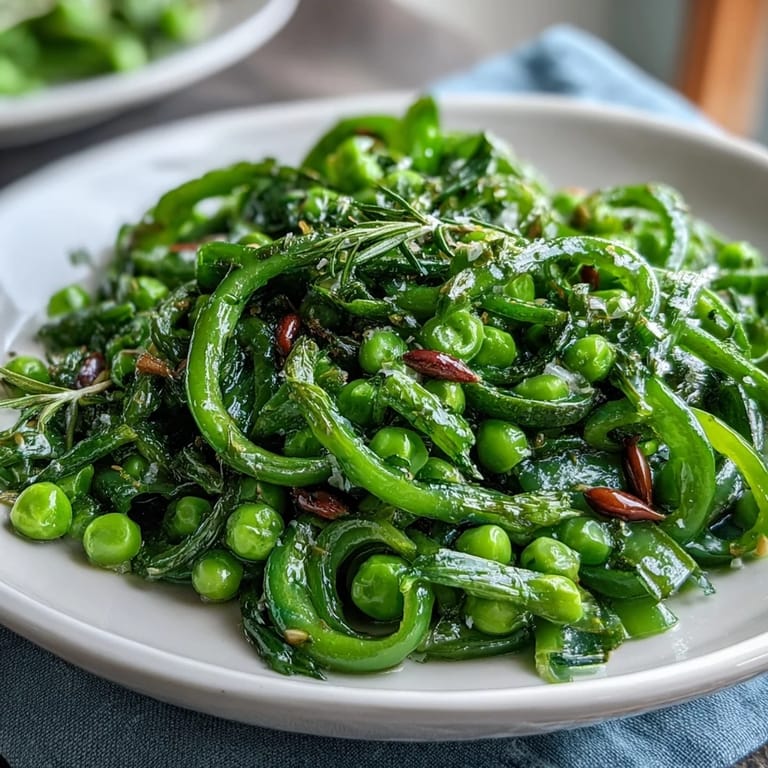
- Hold each spear gently against your cutting board and pull the vegetable peeler along the length, creating thin, delicate ribbons. The motion feels almost meditative once you get the rhythm, and you'll know you're doing it right when each ribbon is translucent enough to catch light.
- Build the salad base:
- Toss the shaved asparagus, peas, greens, and radish slices together in a large bowl, using your hands to make sure everything mingles naturally without bruising anything. This gentle combining is what keeps the salad feeling fresh rather than wilted.
- Whisk the dressing with intention:
- In a small bowl or jar, combine the oil, lemon juice, zest, honey, mustard, salt, and pepper, whisking or shaking until the mixture becomes slightly thick and cohesive. You'll feel the dressing thicken just a bit as the mustard does its work, which is exactly what you want.
- Dress and toss with care:
- Drizzle the dressing over the vegetables and toss gently, using your hands or wooden spoons to coat everything evenly without crushing the delicate asparagus ribbons. The goal is for every piece to taste the dressing, but nothing should feel bruised.
- Top and serve right away:
- Scatter the Parmesan shavings and toasted nuts across the top, or toss them in if you prefer—either way works beautifully. Serve immediately while everything is still crisp and the flavors haven't started to fade.
 Pin
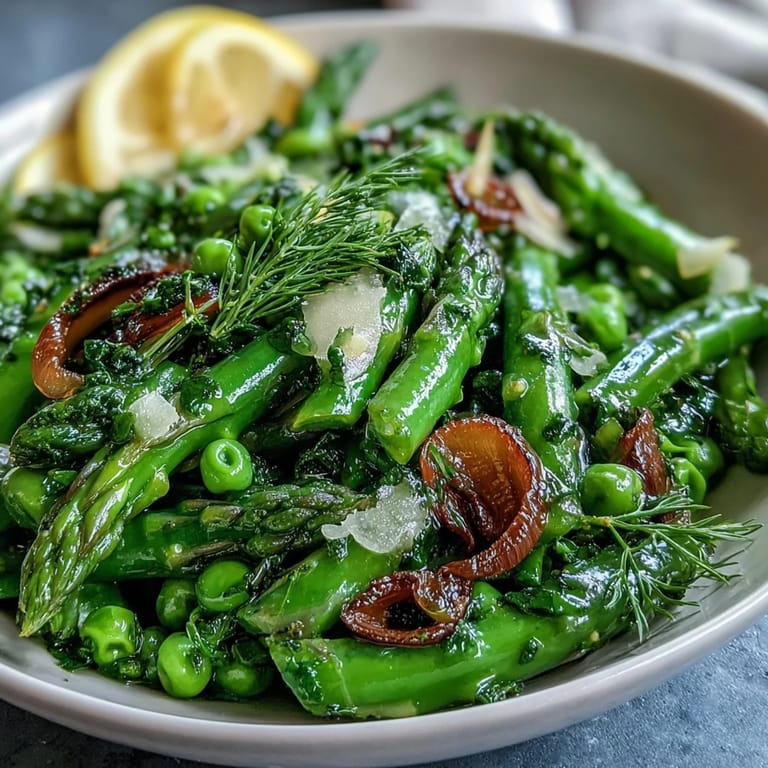
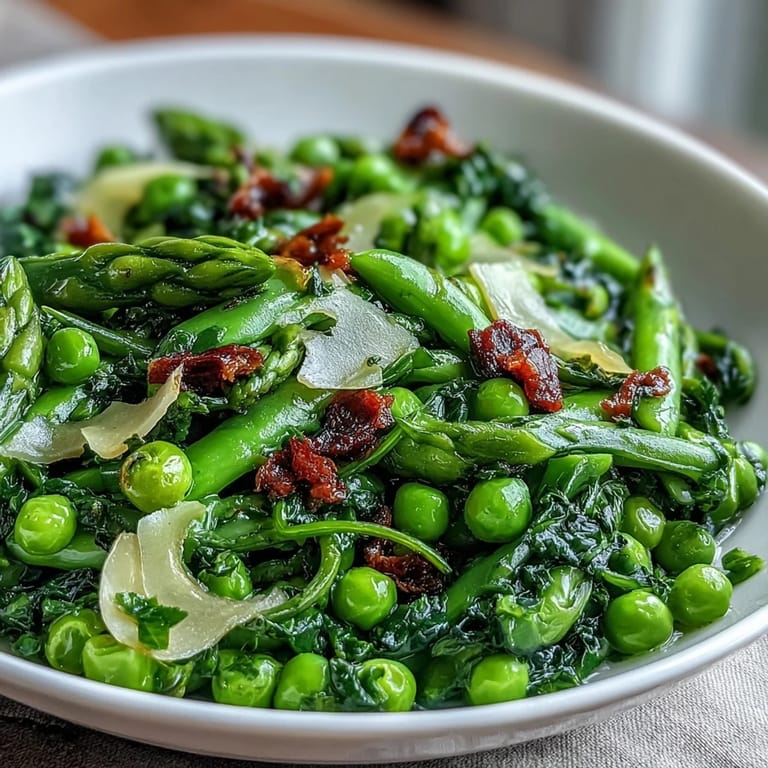
Pin There's a moment when I plate this salad and the light hits those shaved asparagus ribbons just right, and I remember why I keep coming back to it. It's become the salad I make when I want to feel like I've done something thoughtful without having actually worked hard.
Why Raw Asparagus Changes Everything
Most people only know asparagus grilled or roasted, which is wonderful but also somewhat expected. Raw asparagus, when shaved thin, becomes something almost entirely different—tender, sweet, with a subtle crunch that survives right through to the bite. The vegetable peeler is the real star here because it transforms the woody texture into ribbons so delicate they feel luxurious without any cooking at all. Once you understand this trick, you'll find yourself peeling asparagus whenever you see a good bunch, wondering why restaurants charge so much for something this simple.
The Dressing That Holds It All Together
This isn't one of those sad vinaigrettes that tastes like you're eating kitchen pantry. The combination of lemon juice, zest, and a tiny bit of honey creates something bright and complete, with just enough richness from the olive oil to feel substantial. The Dijon mustard is doing more work than it seems—it emulsifies everything and adds a layer of flavor that keeps people from being able to say exactly what they're tasting. I learned this years ago when someone asked if my dressing had garlic, and I realized the mustard had been doing all the heavy lifting the whole time.
Variations That Keep It Interesting
The beauty of this salad is how flexible it becomes once you understand the formula. The vegetables can shift with seasons and what you find at the market, the nuts can swap around depending on what you have in your pantry, and the herbs can grow or shrink depending on your mood. I've made it with fresh mint torn through at the last second, with basil when basil was what I had, with blanched fava beans instead of peas in early summer. None of these versions are wrong—they're all just expressions of the same idea.
- Try adding sugar snap peas for a completely different texture and sweeter flavor.
- Swap the pine nuts for pistachios, walnuts, or whatever you have that's been toasted.
- Fresh mint, dill, or basil tossed in at the very last second adds a layer of brightness you didn't know you needed.
 Pin
Pin This salad has become my answer to the question of what to make when you want to feel like you actually cooked something but you also want to sit down and eat immediately. It's the kind of recipe that reminds you that real food doesn't need to be complicated to be delicious.
Recipe Q&A
- → How do you properly shave asparagus for this salad?
Use a vegetable peeler to carefully slice the asparagus stalks lengthwise into thin ribbons, starting from just beneath the tip to the woody end, discarding tough ends.
- → Can frozen peas be used in this dish?
Yes, thawed frozen peas work well and provide a sweet, fresh flavor that complements the asparagus and greens.
- → What role does the lemon dressing play in this salad?
The dressing adds bright citrus notes and a subtle sweetness that enhance the fresh vegetables while bringing all ingredients together.
- → Are there suitable substitutions for the nuts and cheese?
For those avoiding dairy or nuts, omit the cheese and nuts or replace them with plant-based alternatives or seeds like sunflower for crunch and flavor.
- → What herbs can enhance the flavor of this salad?
Fresh mint or basil leaves can be added to introduce additional aromatic freshness, complementing the lemon dressing and vegetables.