 Pin
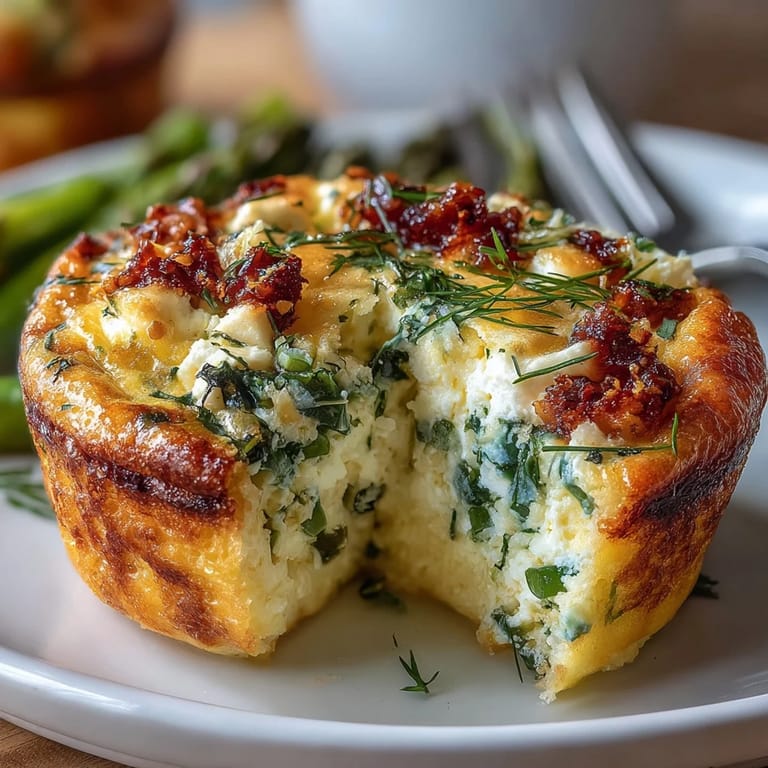
Pin The first time I made these Spring Frittata Muffins, I was racing against the sunrise with the kitchen windows wide open, and the sound of birds outside almost felt like encouragement. With each crack of an egg, the early morning air carried the peppery scent of fresh dill, mingling with a citrusy tang each time I sliced the asparagus. Not every breakfast needs to feel like a performance, but it's hard not to smile when a batch of these comes out of the oven golden. There’s something quietly triumphant about sneaking a handful of greens into a muffin, especially before most of the world has had coffee. The best part? They’re as cheerful packed for a snack as they are in a lazy weekend stack on the table.
These muffins became a weekend ritual after I hosted brunch for friends who arrived (famished) right off a sunrise hike. I remember that moment when steam spiraled up as I pried them from the muffin tray—everyone hovered in the kitchen, drawn by the scent of feta and herbs. That silent, anticipatory pause before the first bite always makes me chuckle, especially since these never last beyond the first round. At some point, even the person claiming to "not do breakfast" snuck one onto their plate. Dishes like this have a convincing effect you can’t argue with.
Ingredients
- Eggs: The heart of every frittata muffin—whisk them just enough for fluffiness, but not so much they become watery.
- Whole milk (or dairy-free alternative): A splash smooths everything out, preventing dry muffins.
- Feta cheese: Its salty creaminess pops in every bite and pairs beautifully with delicate greens—try crumbling by hand for bigger flavor pockets.
- Parmesan cheese: Brings a nutty undertone and a whisper of golden crust to the tops as they bake.
- Salt and freshly ground black pepper: Don’t skip tasting the raw mix—a pinch matters for balance.
- Asparagus: Spring’s crunchy favorite—be sure to slice evenly so pieces cook quickly and stay tender.
- Fresh or frozen peas: Sweet pops of green; if frozen, there’s no need to thaw first.
- Baby spinach: Wilts down to almost nothing but adds lovely color and gentle flavor.
- Scallions: Stir in raw for freshness—the white and green parts both have their charms.
- Red bell pepper: For tiny, jewel-bright bites and sweet crunch; dice finely for even baking.
- Fresh dill: Its distinctive aroma is what makes these feel like spring in a bite.
- Fresh parsley: A handful wakes up all the other flavors; chop just before adding.
- Olive oil: Sautéing veggies in olive oil gives richness and keeps the muffins tender.
Tired of Takeout? 🥡
Get 10 meals you can make faster than delivery arrives. Seriously.
One email. No spam. Unsubscribe anytime.
Instructions
- Get everything ready:
- Preheat the oven to 350°F (175°C) and lightly grease a 12-cup muffin tin. The lightest coating of oil will help pop each muffin out with no sticking drama.
- Sauté the spring veggies:
- Warm the olive oil in a skillet over medium, then toss in asparagus and bell pepper. Let the kitchen fill with earthy greenness as they sizzle for a couple of minutes—add peas and spinach, stir just until the spinach wilts, then pull off the heat and cool a bit.
- Whisk the egg mixture:
- In a big mixing bowl, beat the eggs, milk, feta, Parmesan, fresh dill, parsley, salt, and pepper until smooth and cheerful looking.
- Combine things gently:
- Add the slightly cooled veggie mix and scallions to the eggs—fold, don’t stir, so the texture stays delicate.
- Fill the muffin tin:
- Pour or spoon the mixture to about 3/4 full in each cup—it’s okay if you see speckles of green and cheese on top.
- Bake until puffed:
- The muffins take 18–22 minutes—peek at 18, looking for a set, lightly golden top and little domes that spring back.
- Cool and serve:
- Let them rest in the tin for 5 minutes, then loosen with a knife and pop out. Serve warm, or let them cool completely for grab-and-go.
 Pin
Pin The day these frittata muffins disappeared was a chaotic, joyful one filled with coffee spoons clinking and so many hands reaching for “just one more.” That was when I realized they’d gone from being a recipe to becoming a small, bright memory everyone took home.
Swaps That Work (And One That Doesn’t)
Swapping out cheeses is the easiest entry—crumbly goat cheese melts smoother and lends a tangy twist, while cheddar brings a sharper richness. Sometimes I’ll add leftover roasted veggies from the week, but avoid anything too watery, or muffins lose their tender crumb. Broccoli’s great, zucchini less so unless sautéed until dry. The one swap I’ll never try again is doubling the bell peppers—it overwhelmed the other flavors in a way I didn’t love.
Meal Prep and Storage Notes
Muffins hold up perfectly for three, even four days in the fridge, stashed in a container lined with paper towel to keep them from softening. I’m a fan of popping one into my bag for a mid-morning snack—they taste just as good at room temp or reheated in the microwave for 20 seconds. Freezing works in a pinch, but wrap individually to avoid icy crystals. Honestly, these are at their prime fresh, but never let a batch go to waste.
Serving Ideas That Make It Special
Add a tangle of arugula and lemon on the side for brightness, or pile muffins onto a wooden board for brunch to let the colors shine. If you’re going for heartier, tuck them into a toasted English muffin with a swipe of pesto. Sometimes, I offer hot sauce or chili crisp for those who like a kick. These frittatas carry just as well to a picnic as they do into your workday, so don’t be shy with where you serve them.
- Let them cool completely before packing for lunches or snacks.
- If using frozen peas, add straight from the freezer—no need to thaw.
- A little sprinkle of extra Parmesan on top before baking is my final flourish.
 Pin
Pin Whether you’re assembling a breakfast spread for friends or just looking to make your weekday mornings brighter, these Spring Frittata Muffins are pure pocket-sized joy. I hope they become a small, happy staple in your kitchen too.
Recipe Q&A
- → How can I tell when the muffins are done?
They should be set in the center and lightly golden on top. A clean knife or toothpick inserted into the center should come out mostly clean with a few moist crumbs, not wet egg.
- → Can I freeze the muffins for longer storage?
Yes. Cool completely, wrap individually or layer with parchment in an airtight container, and freeze up to 2 months. Thaw overnight in the fridge and reheat gently in a low oven or microwave.
- → What dairy-free swaps work best here?
Use a dairy-free milk and omit or replace feta and Parmesan with a tangy dairy-free cheese or a sprinkle of nutritional yeast for savory flavor and richness.
- → Can I add proteins like bacon or salmon?
Yes—add cooked, chopped bacon, ham, or smoked salmon folded into the egg mixture. Ensure proteins are fully cooked and drained so they don't release excess moisture into the cups.
- → How should I reheat leftovers without drying them out?
Reheat gently at 300°F for 8–10 minutes in the oven or 20–30 seconds in the microwave covered with a damp paper towel to retain moisture.
- → Any tips for preventing soggy bottoms?
Sauté firmer vegetables like asparagus and bell pepper briefly to remove excess moisture before folding them into the eggs. Drain any liquid and avoid overfilling the cups.
- → Can I make these ahead for meal prep?
Absolutely. Bake, cool, and refrigerate up to 4 days. Portion into containers for grab-and-go breakfasts or snacks and reheat as needed.