 Pin
Pin Standing at my kitchen counter one brisk spring morning, the urge for eggs Benedict struck, but I dreaded the relentless whisking hollandaise demands. In a burst of curiosity (and impatience), I reached for the blender instead. The whirring blades, the instant emulsion—it was a revelation I hadn’t expected to feel so thrilling. The scent of lemon and warm butter lent luxury to a weekday breakfast, proving that decadence can be delightfully simple. Now, every time I make this sauce, I marvel at how two minutes can turn into something so luscious.
Last Easter, I treated my family to this blender hollandaise as we crowded around the table, still in pajamas, coffee cups in hand. Nobody could believe I wasn’t missing from the conversation, furiously whisking at the stove; they just laughed at my triumphant grin as I drizzled the sauce over crisp asparagus and perfectly poached eggs.
Ingredients
- Unsalted butter: Melting it until hot (not browned) ensures the sauce thickens instantly without a greasy texture.
- Egg yolks: I always separate them right before blending to ensure freshness; if any whites slip through, scoop them out for a silkier finish.
- Fresh lemon juice: The brightness wakes up the entire sauce—taste and add a little more at the end if you like it zingy.
- Dijon mustard (optional): This little touch keeps the emulsion stable, especially useful if you’re nervous about sauce splitting.
- Salt: A pinch goes a long way, so add it early and adjust at the end if needed.
- Cayenne pepper or black pepper: Just a pinch adds depth, but watch out—too much can overpower the delicate flavor.
Tired of Takeout? 🥡
Get 10 meals you can make faster than delivery arrives. Seriously.
One email. No spam. Unsubscribe anytime.
Instructions
- Melt the Butter:
- Drop the butter into a saucepan or microwave bowl and heat until bubbly and hot—it should smell rich, but not nutty or browned.
- Blend the Base:
- Add the egg yolks, lemon juice, Dijon, salt, and cayenne or pepper to your blender—crackling, citrusy notes will fill the air as you close the lid.
- Emulsify:
- Blend on medium for about 10 seconds, just until everything looks pale and smooth.
- Stream in Butter:
- With the blender running low, carefully drizzle in the hot butter so it emulsifies; watch the sauce turn creamy in a matter of seconds.
- Taste and Serve:
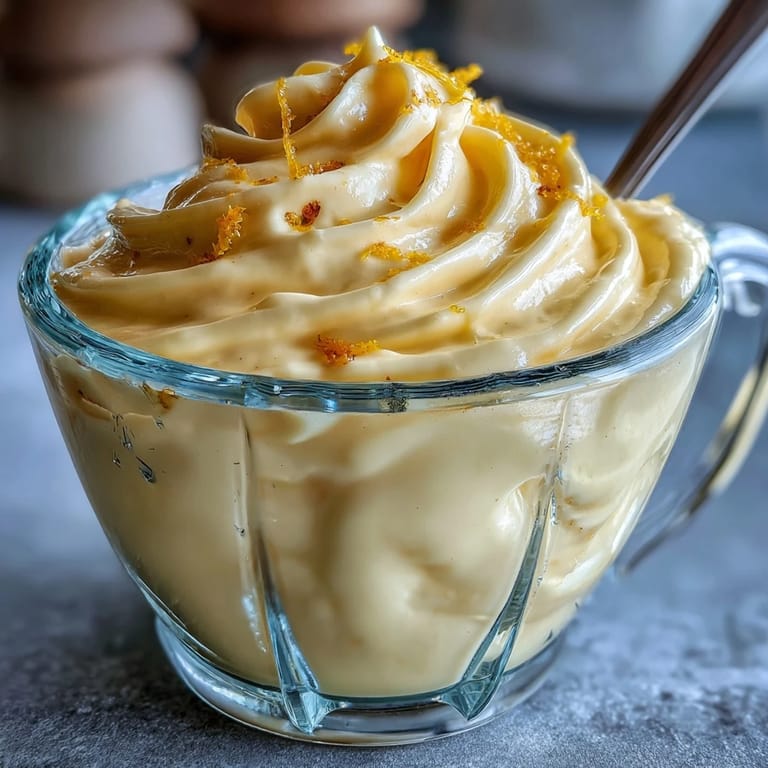
- Stop and dip a spoon in—add a squeeze of lemon or a pinch more salt to taste, then pour over your eggs or veggies while it’s warm and plush.
 Pin
Pin When my friend tried this hollandaise for the first time, the room went quiet except for approving murmurs and the clink of forks—a rare moment when everyone agreed that technology, for once, made brunch better.
My Favorite Ways To Serve Hollandaise
The first time I draped this sauce over steamed asparagus, I knew the classic pairings were classics for a reason. Its richness somehow brings out the sweetness of vegetables and the tender saltiness of poached fish—don’t hesitate to try it on things you’ve never seen hollandaise touch before.
How To Keep Hollandaise Warm (Without Ruining It)
Keeping the sauce just right is a little dance with temperature—a warm water bath, not hot, keeps it cozy without scrambling the eggs or making it separate. If it thickens, a trickle of hot water and a quick whisk brings it back to life in seconds.
Simple Variations To Try Right Away
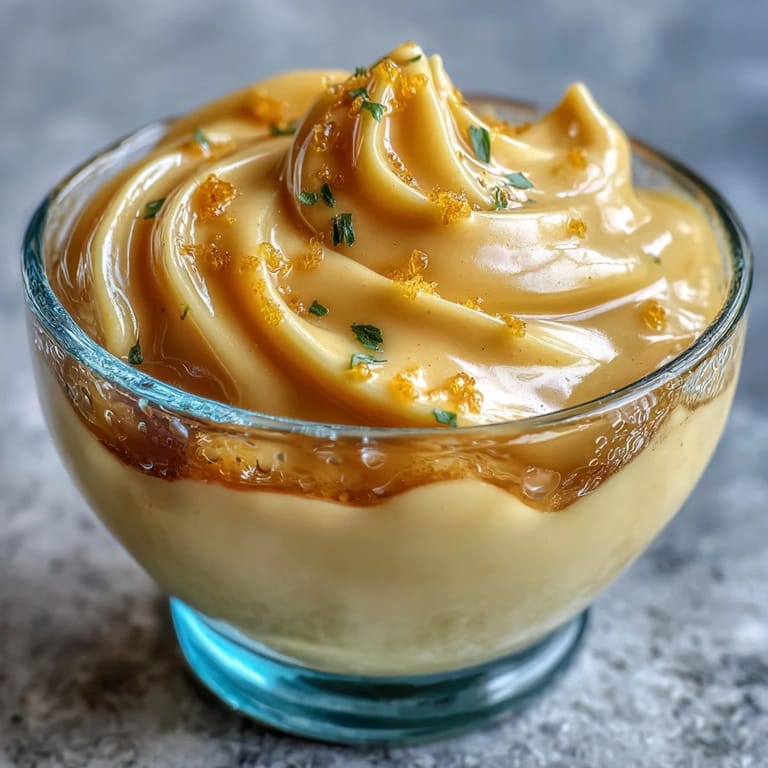
Once I started experimenting, a sprinkle of fresh herbs or swapping half the butter for olive oil took the sauce in totally new directions. Even a hint of smoked paprika or tarragon can make your usual brunch feel brand new.
- Try a dash of hot sauce if you want more kick.
- Lemon zest adds even brighter citrus notes.
- Keep your blender jug in warm water to extend the sauce’s serving window.
 Pin
Pin Whether it’s brunch for a crowd or a solo breakfast treat, this blender hollandaise never fails to surprise me with its ease and elegance. May your next brunch be as effortless—and delicious—as mine.
Recipe Q&A
- → How does a blender create a stable hollandaise?
A blender disperses hot butter into tiny droplets while the egg yolks' lecithin binds fat and water, forming a smooth emulsion quickly and consistently when the butter is added in a thin stream.
- → Are raw egg yolks safe to use here?
Using fresh, properly stored eggs lowers risk; if concerned, use pasteurized yolks or gently warm the yolks and lemon before blending to bring them closer to safe temperature without scrambling.
- → What causes hollandaise to break and how to fix it?
Breaking happens when fat is added too fast or the mixture is too hot. To rescue, stop adding butter, whisk in a teaspoon of warm water or an extra yolk to re-establish the emulsion, then continue slowly adding butter.
- → Can I substitute clarified butter or oil?
Clarified butter concentrates flavor and reduces water, yielding a silkier texture; vegetable oil can be used for a lighter version but will alter the classic buttery taste.
- → How should I keep hollandaise warm without overcooking?
Keep the blender jug in a bowl of warm (not hot) water to maintain temperature briefly. Avoid direct heat that can overcook yolks; serve as soon as possible for best texture.
- → How long will the sauce hold before thinning or re-emulsifying?
Hollandaise is best immediately but can hold gently warm for 20–30 minutes; if it thickens, whisk in a tablespoon of hot water to loosen, or re-blend briefly to refresh the emulsion.