 Pin
Pin The first time I made roasted red pepper hummus, I wasn't trying to be fancy—I just had a jar of peppers languishing in my pantry and a can of chickpeas I kept meaning to use. What came out of the food processor was so velvety and naturally sweet that I ended up eating spoonfuls straight from the bowl before I even got it into a serving dish. Now it's become my go-to when I need something that looks effortlessly impressive but takes barely any real effort.
I remember bringing this to a potluck where someone's aunt made three different dips, and mine somehow disappeared first—I still think about that. The smoky paprika does something almost magical, turning what could be a simple bean dip into something people actually remember and ask you about later.
Ingredients
- Red bell peppers (2 medium or 1 cup jarred): These are the soul of the hummus—roasting brings out their natural sweetness and adds that subtle char flavor you can't fake with anything else, but jarred works beautifully if you're short on time.
- Chickpeas (1 can, drained and rinsed): The base that makes this actually filling and gives it that creamy texture; rinsing them removes the starchy liquid that would make things gluey.
- Tahini (3 tbsp): This is your secret weapon for that silky texture—it's worth buying good tahini because the cheap stuff tastes like cardboard.
- Extra-virgin olive oil (3 tbsp plus more for serving): Use something you actually like tasting because it's front and center here; the drizzle on top matters as much as what goes into the blend.
- Lemon juice (2 tbsp fresh): Bottled will work but fresh lemon brightens everything and keeps it from tasting flat or one-dimensional.
- Garlic (1 small clove): One clove is enough—the peppers already bring sweetness, and going heavy on garlic is how hummus gets aggressive instead of inviting.
- Ground cumin (1/2 tsp): A pinch of this adds warmth without announcing itself loudly.
- Smoked paprika (1/2 tsp): This is optional but honestly not really—it's what pushes this from good to memorable.
- Salt (1/2 tsp): Start with half a teaspoon and taste as you go; the tahini already has salt sometimes so you might not need the full amount.
- Cold water (2–4 tbsp): Add this gradually—it's the difference between hummus and paprika soup, and you can always add more but you can't take it out.
Tired of Takeout? 🥡
Get 10 meals you can make faster than delivery arrives. Seriously.
One email. No spam. Unsubscribe anytime.
Instructions
- Roast the peppers if starting fresh:
- Heat your oven to 425°F, halve the peppers and remove the seeds, then place them skin-side up on a baking sheet. After about twenty minutes you'll see the skins actually blacken and blister—that's the moment everything changes flavor-wise. Transfer them to a covered bowl and let the steam do the work for ten minutes; the skin practically falls off after that.
- Combine everything in the food processor:
- Dump in your roasted peppers, drained chickpeas, tahini, lemon juice, the single garlic clove, olive oil, cumin, smoked paprika, and salt. Press the pulse button and watch as everything starts turning into something creamy and cohesive.
- Blend until it's impossibly smooth:
- Keep the food processor running and scrape the sides down whenever the mixture gets stuck up there. You're looking for something that has zero grittiness and flows like actual silk; this usually takes longer than you'd think but it's worth the patience.
- Add water one tablespoon at a time:
- The consistency matters—too thick and it feels heavy, too thin and it loses its character. Add water slowly and taste between additions because you're hunting for that perfect creamy-but-still-substantial sweet spot.
- Taste and adjust everything:
- This is your chance to be bold: more lemon if it needs brightness, more salt if it feels flat, maybe a pinch of cayenne if you want heat to sneak in at the end.
- Plate it like you mean it:
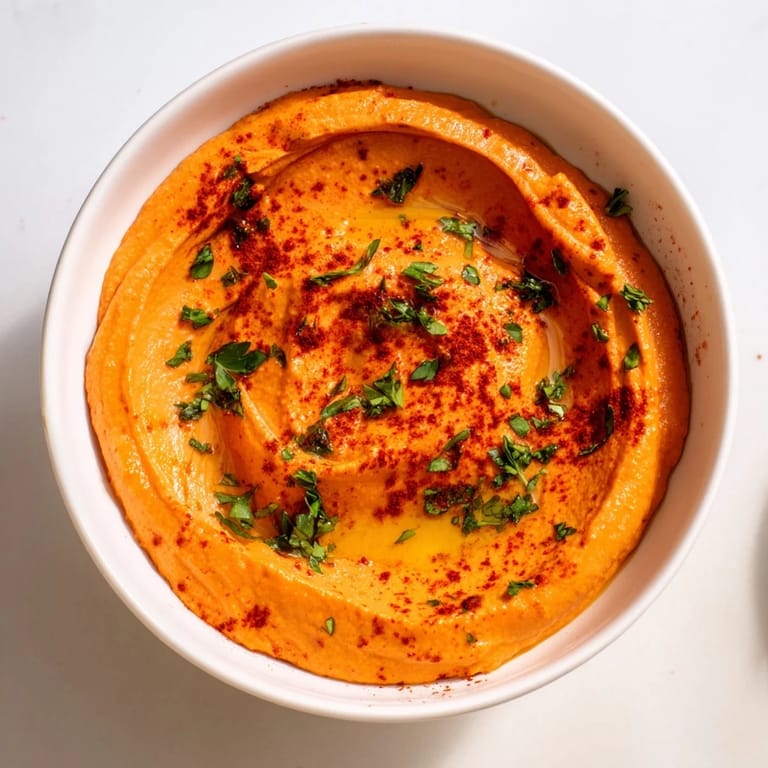
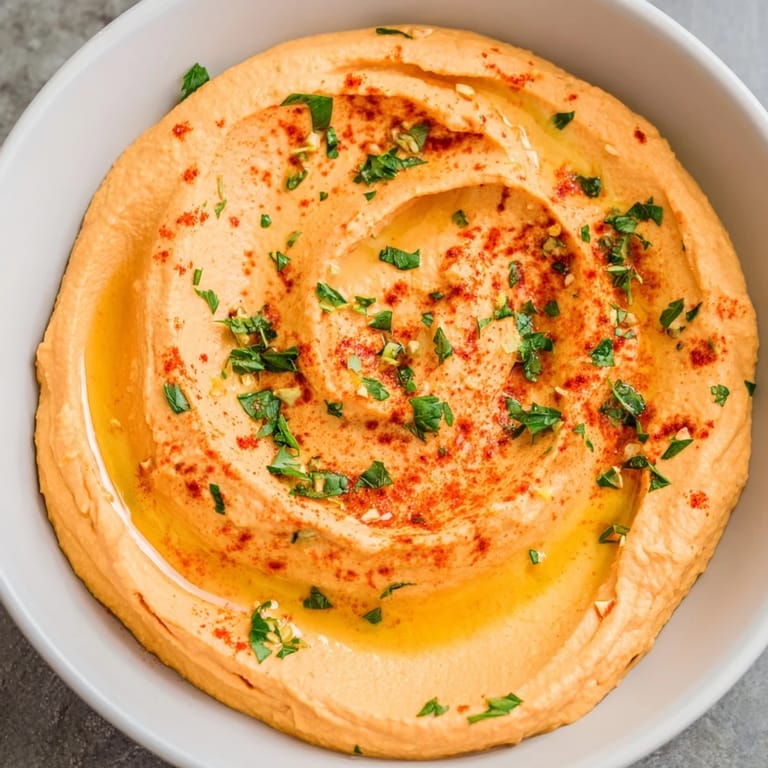
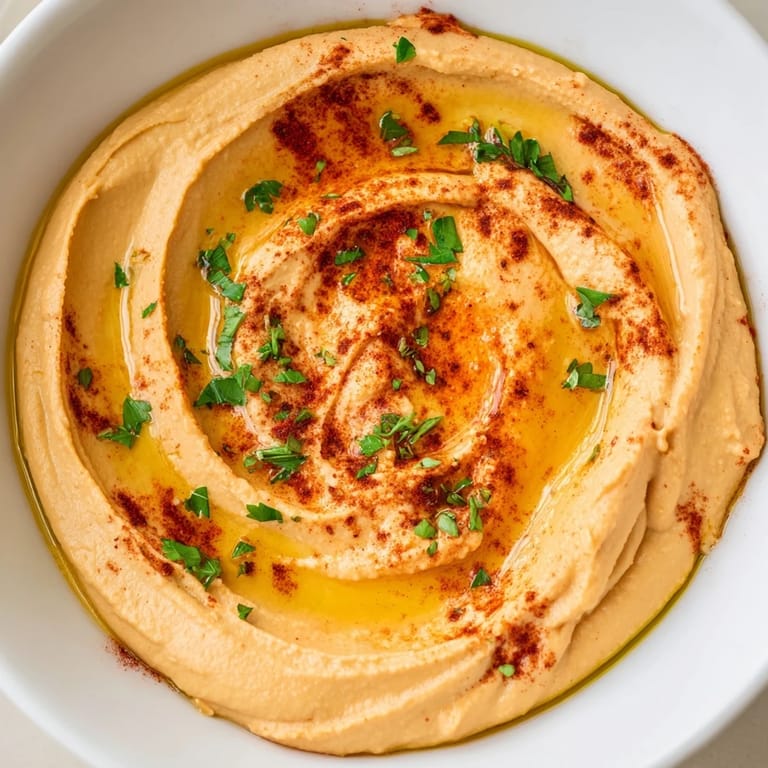
- Transfer to a bowl and drizzle that good olive oil across the top in a spiral or artistic mess—it makes people take it seriously even though it's three ingredients worth of effort. A sprinkle of smoked paprika or some chopped parsley on top turns it into something you'd see at a restaurant.
 Pin
Pin I made this for someone who told me they didn't really like hummus, and they asked for the recipe—that's when I knew I'd actually created something. It stopped being just a dip and became a bridge between skeptics and believers.
The Roasting Question
Fresh roasted peppers genuinely taste different than jarred—there's a depth that comes from the char and the steaming process that jarred peppers, no matter how good, just can't replicate. But I also keep jarred peppers in my pantry specifically so I can make this on a Tuesday night when I have ten minutes and a craving. Neither choice is wrong; it just depends on whether you're in the mood for ritual or convenience, and both have their place.
Making It Your Own
The beautiful thing about this recipe is how much room it leaves for your preferences and what you happen to have on hand. If you love garlic, use a bigger clove or roasted garlic for something sweeter and more mellow. If heat is your thing, cayenne or harissa can turn this into something completely different.
What to Serve It With
I've served this with warm pita that you've toasted yourself, with homemade everything bagel seasoning sprinkled on top, alongside a mezze platter with olives and cheese, and honestly just with a spoon when I'm alone in my kitchen. It's versatile in the way that actually good food is—it doesn't need much help, but it also plays well with others.
- Warm pita or crispy crackers are the obvious choice, but roasted vegetables or crudités make it feel lighter and more intentional.
- A drizzle of really good olive oil on top right before serving reminds people that you care about details.
- Fresh parsley or a pinch of pomegranate seeds add color and texture that make it feel special without any real extra work.
 Pin
Pin This hummus has quietly become the thing I make when I want to feel like I'm taking care of people without actually spending hours in the kitchen. It's one of those rare recipes where doing almost nothing still somehow results in something memorable.
Recipe Q&A
- → How do I roast red peppers for this dish?
Cut peppers in half, remove seeds, and roast cut side down at 425°F (220°C) for 20 minutes until skins are charred. Let them steam covered for 10 minutes before peeling.
- → Can I use jarred roasted red peppers instead of fresh?
Yes, drained jarred peppers can be used for convenience without compromising flavor.
- → How can I adjust the creaminess of this spread?
Add cold water gradually while blending until you reach your desired smooth and creamy consistency.
- → What spices enhance the smoky flavor best?
Smoked paprika and ground cumin add depth and complement the roasted pepper's natural smokiness.
- → What are good serving suggestions?
Enjoy it as a dip with fresh vegetables or crackers, or use it as a spread on sandwiches and mezze platters.
- → Is this suitable for special diets?
Yes, it’s vegan, gluten-free, and dairy-free, but check the tahini for sesame allergens.