 Pin
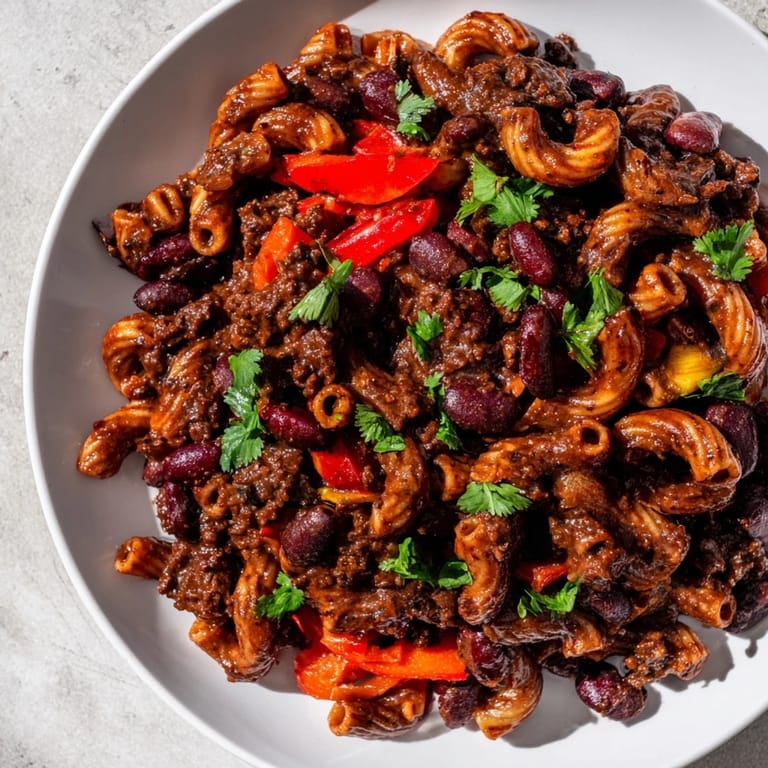
Pin The first time I made this dish was on a peculiar evening when I had dark chocolate, chili powder, and ditalini pasta all sitting on my counter at once. I wasn't planning to combine them—it just happened, born from curiosity and the question of what would happen if warmth met spice met cocoa. The result was unexpectedly revelatory: a pot of something that tasted like someone had whispered a secret across cultures, melding Southwestern heat with Italian comfort in a single bowl.
I remember serving this to friends who were skeptical about chocolate in chili, their expressions shifting from doubt to delight after the first taste. One guest actually paused mid-bite and asked if I could taste cinnamon, then chocolate, then something almost floral from the cocoa powder—proof that sometimes the best recipes are the ones that make people slow down and really pay attention.
Ingredients
- Ditalini pasta: These small tubes are perfect for catching sauce; they absorb the chili's richness without becoming soggy because they cook directly in the pot.
- Ground beef or plant-based mince: The base protein that carries all the spice and cocoa notes; browning it properly is your foundation.
- Kidney beans and black beans: Two varieties give texture contrast and ensure you hit that perfect thick-chili consistency without needing flour.
- Onion, garlic, bell pepper: The holy trinity of chili-making, with red bell pepper adding both sweetness and visual warmth.
- Jalapeño: Optional but worth the inclusion; it introduces a bright heat that plays beautifully against the chocolate's smoothness.
- Diced tomatoes: Use canned for consistency; they provide acidity that keeps the cocoa from becoming cloying.
- Chili powder, cumin, smoked paprika: These three create the chili's backbone—familiar and grounding.
- Ground cinnamon: Just a whisper of it; this spice is what lets the chocolate shine without announcing itself.
- Dried oregano: A touch of herbaceous nostalgia that bridges the Italian and Southwestern elements.
- Dark chocolate (70% cocoa): Quality matters here because it's doing real work, not just adding sweetness—choose something you'd actually eat on its own.
- Unsweetened cocoa powder: This goes into the chili early to build flavor throughout, not just at the end.
- Brown sugar: A small amount rounds out the spices and lets the chocolate's complexity emerge.
- Low-sodium broth: This is your liquid base; go vegetable if you prefer, and feel free to adjust the amount based on how thick you like your chili.
- Tomato paste: One tablespoon concentrated in the oil unlocks its umami and creates a deeper base layer.
Tired of Takeout? 🥡
Get 10 meals you can make faster than delivery arrives. Seriously.
One email. No spam. Unsubscribe anytime.
Instructions
- Build your base:
- Heat oil in your large pot over medium heat and add the chopped onion, letting it soften for three to four minutes until it turns translucent at the edges. This slow start matters—rushing it means you lose the sweetness that balances everything else.
- Add aroma:
- Stir in the minced garlic, diced bell pepper, and jalapeño, cooking for two to three minutes until the kitchen fills with that sharp, almost intoxicating smell. You'll know it's ready when you can't help but take a deeper breath.
- Brown the meat:
- Add your ground beef or plant-based mince, breaking it into small pieces as it cooks for about five to six minutes until there's no pink left. Don't rush this step—proper browning is where the depth comes from.
- Bloom the spices:
- Add chili powder, cumin, smoked paprika, cinnamon, oregano, salt, and black pepper all at once, stirring continuously for one full minute. This brief moment transforms raw spice powder into warm, toasted flavor.
- Build the sauce:
- Stir in the tomato paste and let it sit in contact with the heat for a few seconds before adding the diced tomatoes, kidney beans, black beans, cocoa powder, brown sugar, and broth. Everything should come together as a unified liquid.
- Combine pasta and chili:
- Stir the ditalini pasta directly into the pot and reduce the heat to a gentle simmer, covering it partially. Stir occasionally and cook for ten to twelve minutes—the pasta will soften while absorbing the chili's flavors, and the liquid will reduce and thicken.
- Melt in the chocolate:
- Remove the lid and stir in your chopped dark chocolate until it disappears completely into the sauce, making everything silky and slightly deeper in color. Taste now and adjust salt or spice as needed.
- Serve with intention:
- Ladle it hot into bowls and add whatever garnishes call to you—cilantro, green onions, cheese, or a spoonful of sour cream all make their own kind of sense here.
 Pin
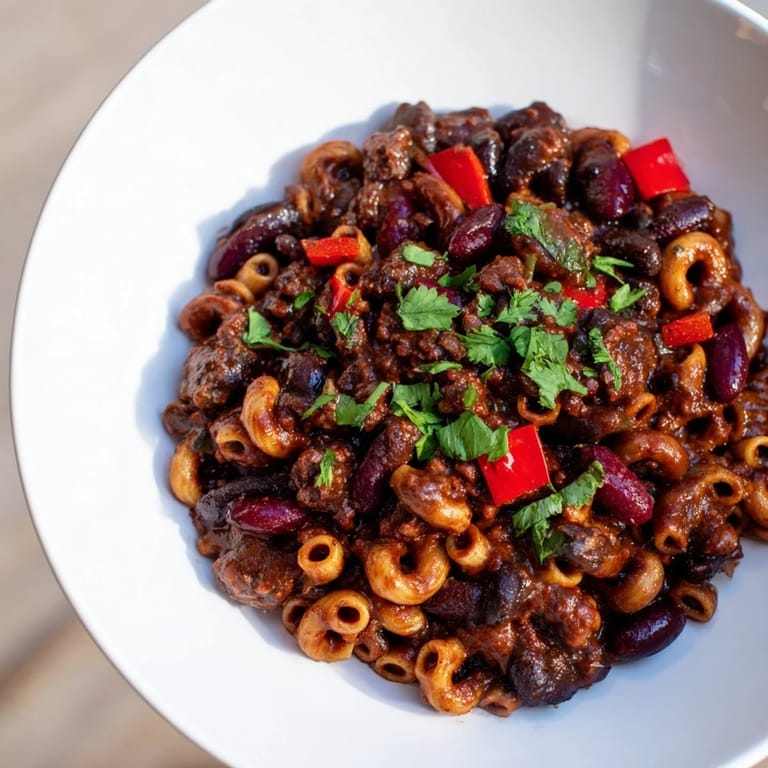
Pin There was a moment last winter when my partner came home to the smell of this chili and actually stopped in the doorway, just breathing it in. We didn't eat for another twenty minutes because we were too busy talking about what we were smelling—how chili powder and chocolate somehow made sense together in a way nothing else in the kitchen seemed to. That's when I knew this recipe had become something worth keeping.
About That Chocolate Element
The chocolate here is not dessert pretending to be dinner. It's a flavor deepener, a way to add richness and roundness without sweetness or heaviness. Think of it as you would cinnamon or oregano—an ingredient that transforms the entire conversation of the pot. Good dark chocolate, seventy percent cocoa or higher, has just enough sugar to balance the chili's heat while its cocoa solids create a velvety mouthfeel that makes everything taste a little more intentional. The unsweetened cocoa powder that goes in earlier builds a foundation for this moment, so when the chocolate arrives at the end, it's not a surprise—it's a resolution.
Playing with Heat and Spice
I've made this recipe timid and I've made it bold, and the spice level is truly yours to command. The jalapeño is optional for a reason—some kitchens and some tables prefer warmth that whispers rather than announces. If you want fire, seed the jalapeño but leave the white ribs inside, or add two instead of one. If you want comfort, skip it entirely and let the chili powder and smoked paprika do their quieter work. You can also dial the chili powder up or down by half a teaspoon depending on what you're craving, and the beauty is that the chocolate will still hold the whole thing together, still create that moment where sweetness and heat dance.
Variations Worth Trying
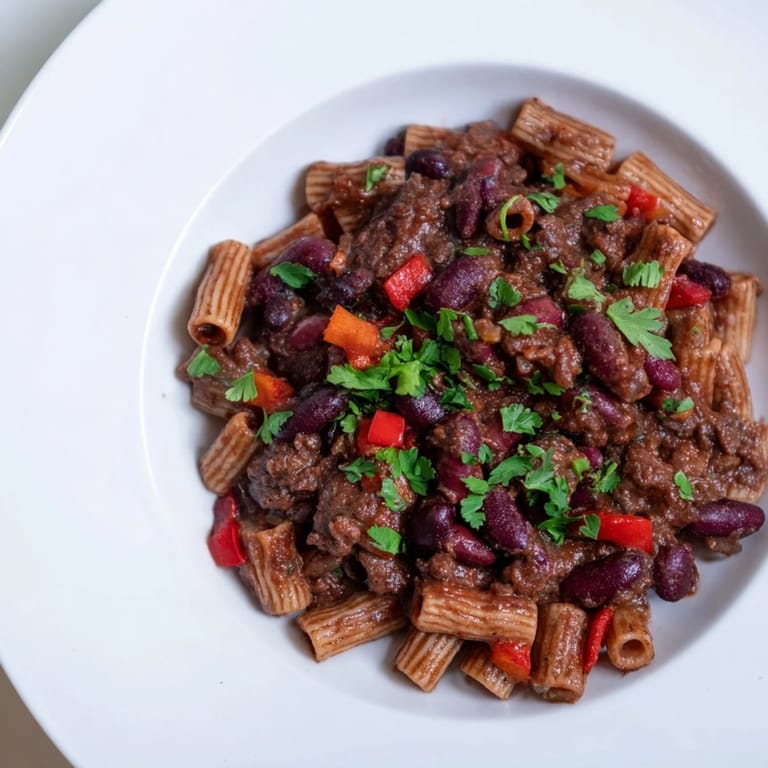
This recipe is flexible in ways that make it feel alive rather than rigid. You can swap the ditalini for elbow macaroni or small shells if that's what's in your cabinet. You can use all black beans if kidney beans feel unfamiliar, or split the difference differently. For vegetarians, doubling the beans and using a robust plant-based mince creates something just as satisfying and deep. Some nights I add a splash of good red wine when I'm adding the tomatoes—it adds another layer of complexity that sits beautifully with the chocolate. The garnishes are where your kitchen's personality truly shows: cilantro if you're thinking bright and fresh, green onions if you want mild onion bite, cheese if dairy feels right, or a spoonful of sour cream to cool the heat and add tang.
 Pin
Pin This chili has become my go-to dish when I want to cook something that feels both comforting and surprising, that makes people lean in closer to understand what they're tasting. It's proof that the best recipes sometimes come from moments of gentle chaos in the kitchen.
Recipe Q&A
- → Can I make this dish vegetarian?
Yes, substitute ground beef with plant-based mince or simply increase the amount of beans to maintain heartiness and protein.
- → What pasta can I use instead of ditalini?
Small pasta shapes like elbow macaroni, small shells, or even mini penne work well in this dish for similar texture and cooking time.
- → How can I adjust the heat level?
Control spice by reducing or omitting jalapeño and adjusting chili powder to suit your preference.
- → Why is dark chocolate added to the dish?
Dark chocolate adds richness and a subtle depth, balancing chili spices with a smooth, slightly bitter note.
- → Can I prepare this in advance?
Yes, flavors deepen when refrigerated overnight; gently reheat and stir in additional broth if needed to restore consistency.