 Pin
Pin The skillet was already hot when I realized I had forgotten to pick up cream at the store, but the chicken was thawed and dinner needed to happen. I grabbed the honey from the pantry and spotted the grainy mustard my neighbor had gifted me weeks ago, still untouched. What started as improvisation turned into one of those meals where everyone goes quiet for the first few bites, and someone finally says, can we have this again soon?
I made this the night my sister came over unannounced, exhausted from a long week and claiming she could not even think about cooking. She stood at the counter with a glass of wine, watching the chicken turn golden and the sauce bubble up around the edges. By the time I plated it over some leftover rice, she had already texted our mom the recipe name so she would not forget to ask me for it later.
Ingredients
- Boneless, skinless chicken breasts (about 1 and a half lbs): They are the lean workhorse here, and patting them completely dry before seasoning makes all the difference in getting that beautiful sear without sticking.
- Dijon mustard (1/3 cup): This is where the sharpness comes from, the bite that keeps the sauce from tipping too sweet, and it emulsifies beautifully with the honey.
- Honey (1/4 cup): Use whatever honey you have, but something mild like clover or wildflower lets the mustard shine without competing.
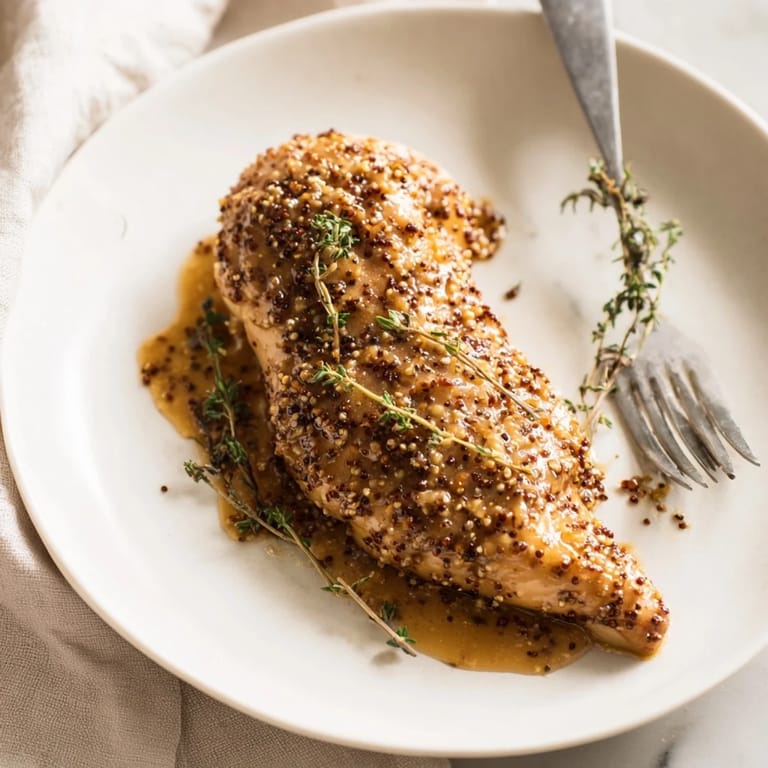
- Whole grain mustard (2 tablespoons): Those little seeds add texture and a rustic look, plus a slightly mellower tang than straight Dijon.
- Garlic (3 cloves, minced): Fresh is best here because it blooms in the hot oil and perfumes the whole dish within seconds.
- Apple cider vinegar (1 tablespoon): Just enough acidity to brighten everything and keep the sweetness in check.
- Low sodium chicken broth (1/2 cup): It loosens the sauce and adds body without making things too salty, especially important if your mustard is already well seasoned.
- Fresh thyme leaves (1 teaspoon or 1/2 teaspoon dried): Thyme loves chicken and mustard, and fresh leaves release their oils slowly as the sauce simmers.
- Fresh rosemary, finely chopped (1 teaspoon or 1/2 teaspoon dried): A little goes a long way, so chop it fine so you do not get woody bits in the sauce.
- Kosher salt (1/2 teaspoon): Season the chicken well before it hits the pan so the flavor goes all the way through.
- Black pepper (1/4 teaspoon): Freshly cracked if you have it, for a bit of heat that plays nicely with the mustard.
- Olive oil (2 tablespoons): For searing the chicken and sautéing the garlic, it can handle the heat without burning.
- Fresh parsley, chopped (optional for garnish): A handful of green at the end makes the whole plate look alive and adds a fresh herbal note.
Tired of Takeout? 🥡
Get 10 meals you can make faster than delivery arrives. Seriously.
One email. No spam. Unsubscribe anytime.
Instructions
- Prep the Chicken:
- Pat each chicken breast completely dry with paper towels, then season both sides generously with salt and pepper. Dry chicken sears better and develops that golden crust you want.
- Sear Until Golden:
- Heat the olive oil in a large skillet over medium high heat until it shimmers, then lay the chicken breasts in without crowding and sear for 3 to 4 minutes per side until deeply golden. Transfer them to a plate and do not worry, they will finish cooking in the sauce.
- Bloom the Garlic:
- Lower the heat to medium, add the minced garlic to the same skillet, and stir for about 30 seconds until it smells nutty and fragrant. Do not let it brown or it will turn bitter.
- Build the Sauce:
- Whisk in the Dijon mustard, whole grain mustard, honey, apple cider vinegar, and chicken broth until everything is smooth and starts to bubble gently. The sauce will look thin at first but it will thicken as it simmers.
- Add Herbs and Simmer:
- Stir in the thyme and rosemary, then nestle the chicken breasts back into the skillet and spoon sauce over the tops. Cover with a lid and let it simmer for 10 to 12 minutes until the chicken reaches 165 degrees inside.
- Thicken and Finish:
- Remove the lid, turn the heat up just a notch, and simmer uncovered for 2 to 3 minutes to reduce the sauce until it clings to the back of a spoon. Taste and adjust seasoning if needed, then garnish with fresh parsley.
 Pin
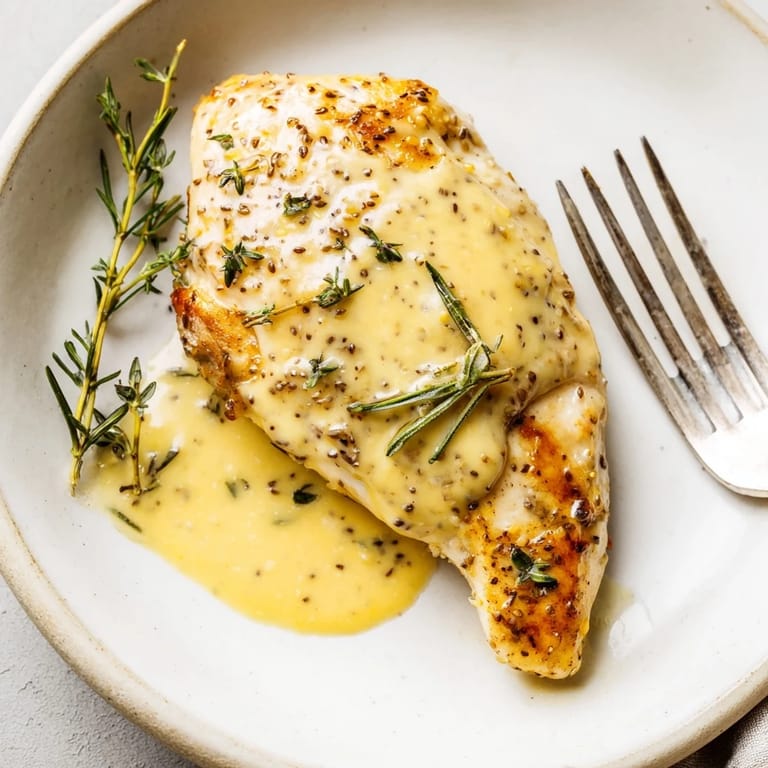
Pin This dish has become my go to when I want something that feels special but does not require me to stand over the stove all evening. I have served it to friends who do not cook much, and they always ask if it is hard to make. I love telling them it is not, because watching someone realize they can make restaurant quality food at home is one of my favorite things.
What to Serve Alongside
The sauce is so good you want something to soak it up, so I usually go with fluffy white rice, creamy mashed potatoes, or even a pile of buttery egg noodles. Roasted vegetables like Brussels sprouts or green beans add some char and bitterness that balances the sweetness, and a simple arugula salad with lemon keeps things from feeling too heavy. If you are feeding a crowd, warm crusty bread for dipping is always a smart move.
Make It Your Own
Chicken thighs work beautifully here if you prefer dark meat, just add a couple extra minutes to the simmer since they are a bit thicker. For a creamier version, stir in two tablespoons of heavy cream at the very end and watch the sauce turn silky and pale gold. I have also swapped the apple cider vinegar for white wine vinegar when that is what I had open, and it works just fine.
Storage and Leftovers
Leftovers keep well in an airtight container in the fridge for up to three days, and the flavors actually deepen overnight as the herbs steep into the sauce. Reheat gently in a skillet over low heat with a splash of broth or water to loosen things up, because microwaving can make the chicken rubbery. I have sliced cold leftovers and piled them on a sandwich with greens and tomato, and it was better than I expected.
- Let the chicken rest for a few minutes after cooking so the juices redistribute and every bite stays moist.
- Taste the sauce before serving and add a pinch more honey or vinegar depending on your mood.
- Double the sauce if you love extra, it is the best part anyway.
 Pin
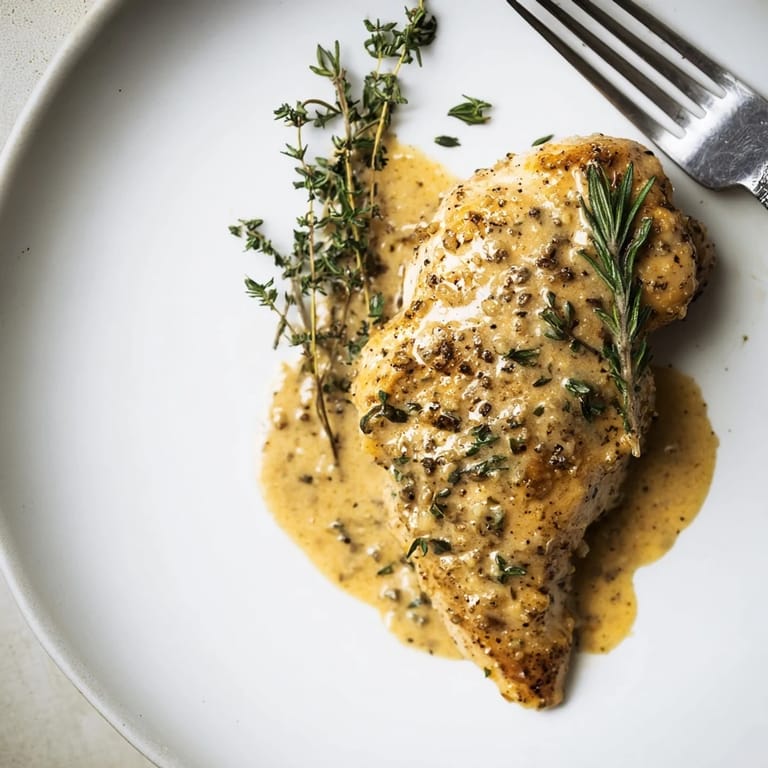
Pin This is one of those recipes that makes weeknight cooking feel less like a chore and more like taking care of yourself and the people you love. I hope it lands on your table as often as it does on mine.
Recipe Q&A
- → Can I use chicken thighs instead of breasts?
Yes, chicken thighs work wonderfully and stay juicier than breasts. Increase the simmering time to 15-18 minutes to ensure they're cooked through completely.
- → How do I make the sauce creamier?
Stir in 2 tablespoons of heavy cream or sour cream during the final minutes of cooking. This adds richness without overpowering the honey Dijon flavors.
- → What's the best way to serve this dish?
Pair with creamy sides like mashed potatoes, buttered rice, or egg noodles to capture the delicious sauce. Roasted vegetables such as green beans or Brussels sprouts complement it beautifully.
- → Can I make this ahead of time?
Cook completely and refrigerate for up to 3 days. Reheat gently in a covered skillet over medium-low heat, adding a splash of broth if needed to restore sauce consistency.
- → What wine pairs well with this dish?
A lightly oaked Chardonnay complements the honey and mustard flavors beautifully. Pinot Grigio or Sauvignon Blanc are lighter alternatives that work well too.
- → Is this truly gluten-free?
Yes, as written, but verify your chicken broth and mustard labels as some brands contain hidden gluten or gluten-based thickeners. Look for certified gluten-free products if needed.