 Pin
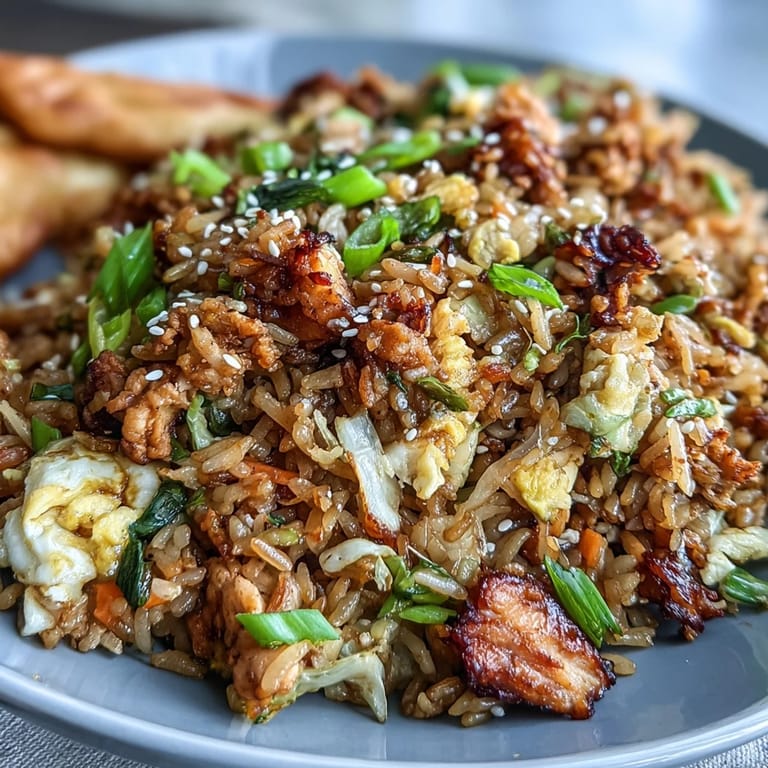
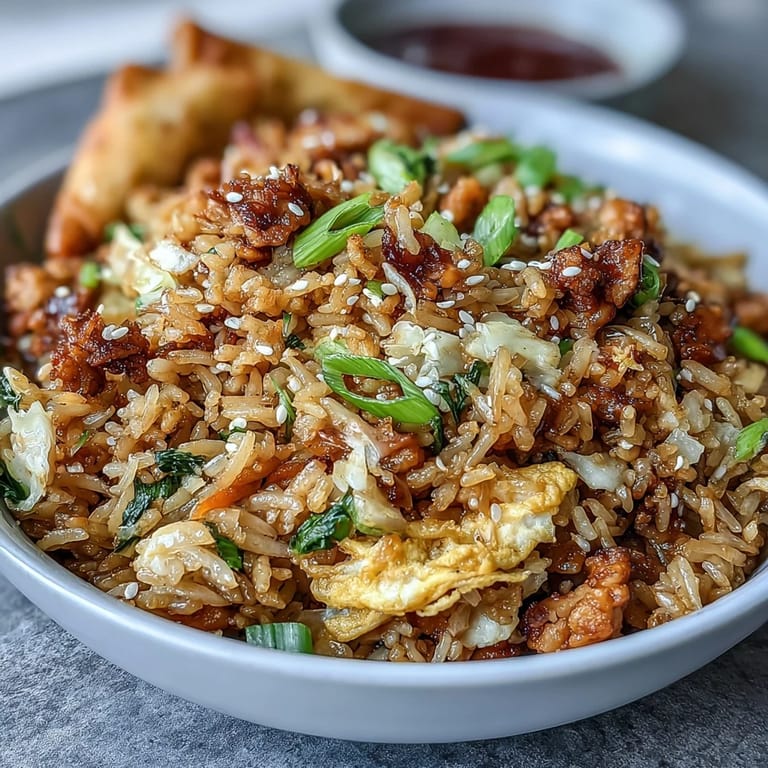
Pin Last Tuesday, I was standing in my kitchen with half a rotisserie chicken and leftover rice, wondering how to make something feel exciting when my neighbor knocked with a bag of cabbage from her garden. Within twenty minutes, I'd created this crispy chicken fried rice that tasted exactly like biting into a crispy egg roll—but without the deep frying mess. It became the kind of meal that feels like a small victory: restaurant-quality, completely manageable, and somehow better than takeout.
I made this for a potluck at work, genuinely not expecting people to care much, and watched three separate coworkers ask for the recipe while they were still eating. My supervisor came back for seconds and mentioned it reminded her of late-night runs to the Chinese restaurant near her old apartment—which somehow made the whole thing feel like more than just dinner.
Ingredients
- Ground chicken (500 g): Using ground meat instead of chunks means faster cooking and more even distribution of flavor throughout the rice—it gets crispy in spots and stays tender everywhere else.
- Large eggs (2): These scramble right into the hot rice and act almost like a binder, creating those little pockets of richness that make fried rice feel luxurious.
- Green cabbage (3 cups, thinly sliced): Thin slicing is everything here; it cooks down quickly but keeps a slight crunch that mirrors the texture of cabbage in an actual egg roll.
- Carrots (1 cup, julienned): The small cuts matter because they cook in minutes and look as elegant as they taste.
- Bean sprouts (1 cup, optional): These add a fresh, almost sweet crunch right at the end—add them last so they barely soften.
- Green onions (4, sliced): Use the white parts early for their mild onion flavor and save the green tops for the final garnish where they brighten everything up.
- Garlic and ginger (3 cloves and 1 tbsp minced): These two create the aromatic backbone that makes people ask what smells so good the moment you start cooking.
- Cold jasmine rice (3 cups, preferably day-old): Cold rice is non-negotiable because warm rice clumps and steams rather than fries; day-old rice has had time to dry out slightly, which is exactly what you want.
- Soy sauce (3 tbsp): The salt and umami anchor of the whole dish—use tamari if you need gluten-free.
- Oyster sauce (1 tbsp): This adds subtle sweetness and depth that separates this from ordinary fried rice; vegetarian versions work beautifully if you need them.
- Toasted sesame oil (1 tsp): A small amount goes a long way because it's incredibly aromatic—this is what makes people close their eyes while eating.
- White pepper (1/2 tsp): Milder and more refined than black pepper, it doesn't create visible specks and blends seamlessly into the rice.
- Chili flakes (1/2 tsp, optional): For when you want warmth without overwhelming heat.
- Rice vinegar (1 tbsp): The acidic brightness that makes all the other flavors pop and prevents the whole thing from feeling heavy.
- Vegetable oil (2 tbsp, divided): Split between cooking the chicken and the vegetables so you get maximum flavor development without burning anything.
- Sesame seeds and extra green onions for garnish: These add texture and visual appeal right before you serve, making the dish feel finished and intentional.
Tired of Takeout? 🥡
Get 10 meals you can make faster than delivery arrives. Seriously.
One email. No spam. Unsubscribe anytime.
Instructions
- Prep everything first:
- Slice your cabbage thin, cut carrots into thin sticks, mince the garlic and ginger, and slice your green onions, separating the white and green parts. Have your cold rice sitting out so it's not clumpy.
- Brown the chicken until it's golden:
- Heat 1 tablespoon of oil in your pan over medium-high heat and add the ground chicken, breaking it apart with a spatula as it cooks. Let it sit for a moment in spots so it actually browns instead of just turning gray—this takes about 4 to 5 minutes total, and you want some crispy edges.
- Build the aromatic layer:
- Add the remaining oil to the pan, then the garlic, ginger, and white parts of the green onions. You'll smell them become fragrant within about a minute, which means they're ready for the vegetables.
- Quickly cook the vegetables until they're tender-crisp:
- Add cabbage and carrots and let them stir-fry for 3 to 4 minutes, keeping some texture. If you're using bean sprouts, add them in the last minute so they stay fresh and crunchy.
- Create pockets for the eggs:
- Push all the vegetables to the side of the pan, crack the eggs into the empty space, and scramble them quickly. Once they're just set, fold everything together so the eggs distribute throughout.
- Add the rice and chicken back in:
- Return the chicken to the pan along with your cold rice, breaking up any clumps as you go. Stir everything together for a minute or two so the rice absorbs the heat.
- Bring it all together with the sauce:
- Pour in the soy sauce, oyster sauce, sesame oil, rice vinegar, white pepper, and chili flakes if you want heat. Toss everything constantly for 2 to 3 minutes until the rice is heated through and everything tastes balanced.
- Taste and adjust:
- This is when you add a tiny bit more of whatever you think it needs—soy sauce for saltiness, sesame oil for aroma, rice vinegar for brightness.
- Finish with garnish:
- Top with sesame seeds and the reserved green onion tops, then serve immediately while the rice still has some texture.
 Pin
Pin My friend Sarah, who claims she can't cook, made this while I watched her, and halfway through she got quiet and just kept stirring. When I asked if something was wrong, she said, "No, it just smells so good I want to remember this moment." That's when I realized this dish had crossed from being just food into becoming a small memory someone wanted to hold onto.
Why This Reminds You of Egg Rolls Without the Frying
The magic happens because you're using the same core ingredients—cabbage, carrots, a protein, and the same Asian-American seasoning profile—but cooking them together instead of wrapped and fried. The cabbage gets soft and a little caramelized, the carrots stay slightly crisp, and the soy and oyster sauce create that savory depth you crave. Every bite tastes like someone took all the best parts of an egg roll's filling and made them the star of the plate instead of a supporting player inside a wrapper.
Making This Completely Your Own
Ground turkey works beautifully if you want something slightly lighter, and pork gives you a richer, deeper flavor if that's what you're after. For a vegetarian version, use crumbled tofu and skip the oyster sauce entirely, or use one of the vegetarian versions now available at most grocery stores. You can also add other vegetables—snow peas, bok choy, or even diced bell peppers work without changing the cooking time much since you're just adjusting the stir-fry phase to accommodate whatever you're using.
- Sriracha or sweet chili sauce on the side lets people add their own heat and sweetness based on what they're craving.
- A squeeze of fresh lime juice right before serving brightens everything up if the dish feels a little heavy.
- Leftover fried rice reheats beautifully in a pan with a splash of water, making it perfect for next-day lunch.
The Small Technique That Makes the Biggest Difference
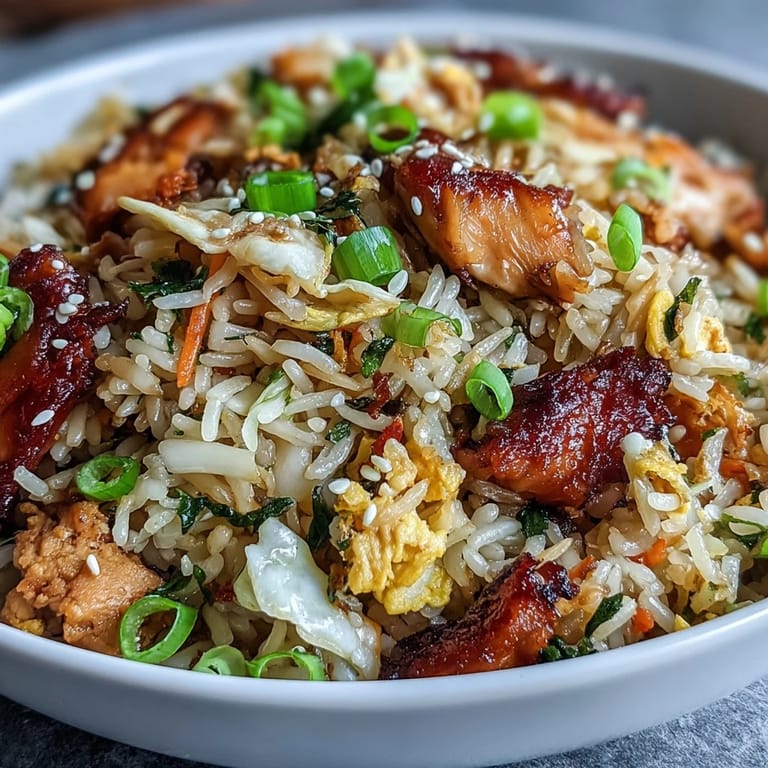
The moment the chicken hits the hot oil, don't move it for about 30 seconds. Let it sit there and develop a golden-brown crust on the bottom. This is what gives you flavor, not just cooked meat. The same principle applies to the vegetables—you want them in contact with the hot pan long enough to soften slightly and develop flavor, not just get heated through.
 Pin
Pin This dish has somehow become my go-to when I want to feel like I've accomplished something in the kitchen without actually stressing. It's the kind of meal that brings people together while actually being simple enough that you can cook it on a Tuesday night.
Recipe Q&A
- → What makes the rice crispy?
Using cold, day-old jasmine rice is key—the grains dry out overnight, allowing them to crisp up beautifully in the hot wok rather than turning mushy.
- → Can I use fresh rice instead of leftover?
Fresh rice works but tends to be softer and stickier. For best results, spread freshly cooked rice on a baking sheet and refrigerate uncovered for at least 4 hours to dry it out.
- → What protein substitutes work well?
Ground turkey, pork, or crumbled tofu all work beautifully. Adjust cooking time slightly—turkey cooks similarly to chicken, while tofu needs just 2-3 minutes to brown.
- → How can I make it spicier?
Add more chili flakes, drizzle with sriracha, or incorporate fresh minced Thai chilies when cooking the garlic and ginger. A spoonful of chili garlic sauce also adds excellent heat.
- → Is this gluten-free?
Use tamari instead of soy sauce and ensure your oyster sauce is labeled gluten-free. The dish is naturally dairy-free and easily adaptable for other dietary needs.
- → Can I prepare vegetables ahead?
Absolutely—slice cabbage and carrots, mince garlic and ginger up to a day in advance. Store them in airtight containers in the refrigerator for quick weeknight assembly.