 Pin
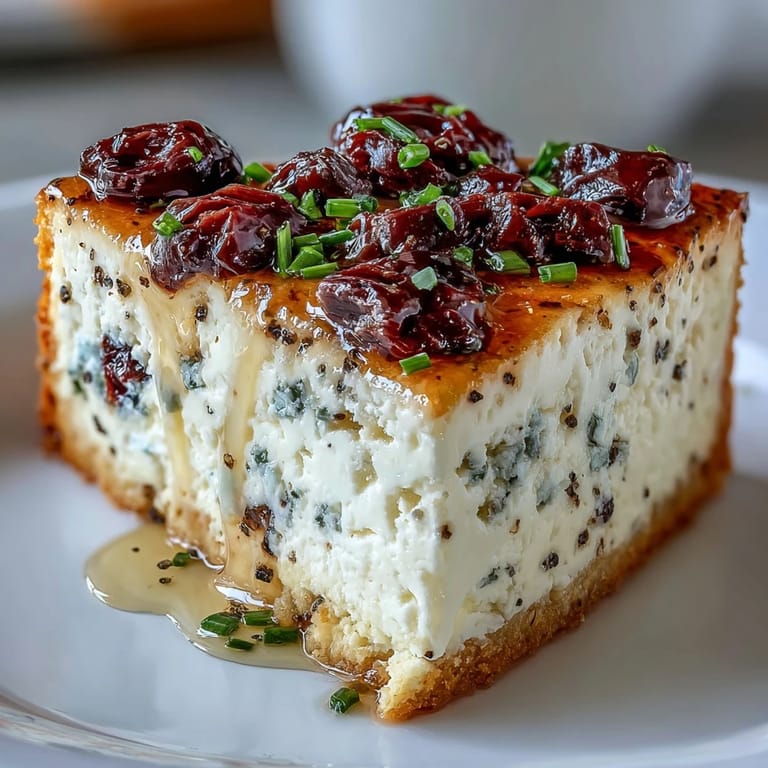
Pin My neighbor Elena brought this to a dinner party one autumn evening, and I watched people gravitate toward it like it was the only thing on the table. She mentioned it casually—a Greek twist on cheesecake, savory instead of sweet—and I was skeptical until I tasted it. The combination of tangy Kalamata olives with creamy cheese and fresh herbs felt both unexpected and somehow inevitable, like something I'd been craving without knowing it. Now when I make it, I'm transported back to that moment of discovering something that feels both elegant and approachable.
The first time I made this for my book club, I was nervous about the whole cheese-and-olive thing working out, but something magical happened in the oven. When I pulled it out and saw that just-set center with the golden edges, I knew it was going to be good. One friend took a slice and went quiet for a moment—that kind of quiet that means the food has said something her words can't quite catch up to. She came back for seconds before dessert was even mentioned.
Ingredients
- Breadcrumbs (1 cup): The foundation that holds everything together—use plain ones so the herbs can shine, and press them down firmly or they'll shift when you pour the filling.
- Unsalted butter (1/4 cup, melted): Helps bind the crust and keeps it from tasting greasy; melt it completely so it distributes evenly.
- Dried oregano and black pepper for the crust: These aren't just filler—they set the Greek tone before anyone takes a bite.
- Cream cheese (12 oz, softened): Must be truly soft or you'll have lumps; take it out of the fridge 30 minutes before mixing and your blending will be buttery and smooth.
- Ricotta cheese (1/2 cup): The secret to a lighter texture than a typical cheesecake; it keeps things from being too dense.
- Parmesan cheese (1/4 cup, grated): Adds a salty depth that makes the olives taste even more Mediterranean.
- Eggs (2 large): Add them one at a time and mix gently—overworking the filling introduces air bubbles that can cause cracks.
- Dried thyme and lemon zest: Thyme brings earthiness, while the zest adds a whisper of brightness that prevents the dish from feeling heavy.
- Kalamata olives (1/3 cup chopped, plus 2 tablespoons sliced for garnish): Pit them yourself if you can—they taste fresher than pre-pitted, and you can feel the difference.
- Fresh chives (2 tablespoons): Chop these just before mixing so they keep their color and delicate onion flavor.
- Whole milk (1/4 cup): Keeps the filling pourable and prevents it from being too stiff.
- Extra virgin olive oil for drizzling: The final touch that ties everything back to Greece—don't skip it or use regular oil.
Tired of Takeout? 🥡
Get 10 meals you can make faster than delivery arrives. Seriously.
One email. No spam. Unsubscribe anytime.
Instructions
- Prepare your pan and preheat:
- Set your oven to 325°F and lightly grease a 9-inch springform pan or line it with parchment. A cooler oven prevents the filling from cracking, and the parchment makes cleanup feel like a small victory.
- Build the crust:
- Mix breadcrumbs, melted butter, oregano, and pepper in a small bowl, then press this mixture firmly into the bottom of your pan—use the flat bottom of a measuring cup to really pack it down. Bake for 8 minutes until it firms up slightly, then remove and let it cool for a few minutes so the filling won't seep underneath.
- Create the creamy filling:
- Beat the softened cream cheese, ricotta, and Parmesan together until smooth and free of lumps—this takes a minute or two longer than you think it should. Add the eggs one at a time, mixing gently after each addition to keep the mixture light and airy.
- Fold in the personality:
- Stir in thyme, lemon zest, milk, chopped olives, chives, salt, and pepper until everything is just combined—don't overmix or you'll lose that tender texture. The filling should look speckled with green and briny, like you've captured Greece in a bowl.
- Bake until just set:
- Pour the filling over your cooled crust and smooth the top gently. Bake for 25 to 28 minutes—the center should jiggle just slightly when you gently shake the pan, which means it's perfectly set but still creamy.
- Cool with patience:
- Let the cheesecake cool to room temperature on the counter, then refrigerate for at least 2 hours before slicing. This resting time is when all the flavors settle and bond together into something cohesive.
- Finish and serve:
- Just before serving, top with sliced olives, fresh parsley, and a generous drizzle of olive oil. Slice into small wedges or squares with a warm, clean knife dipped in hot water between each cut for clean edges.
 Pin
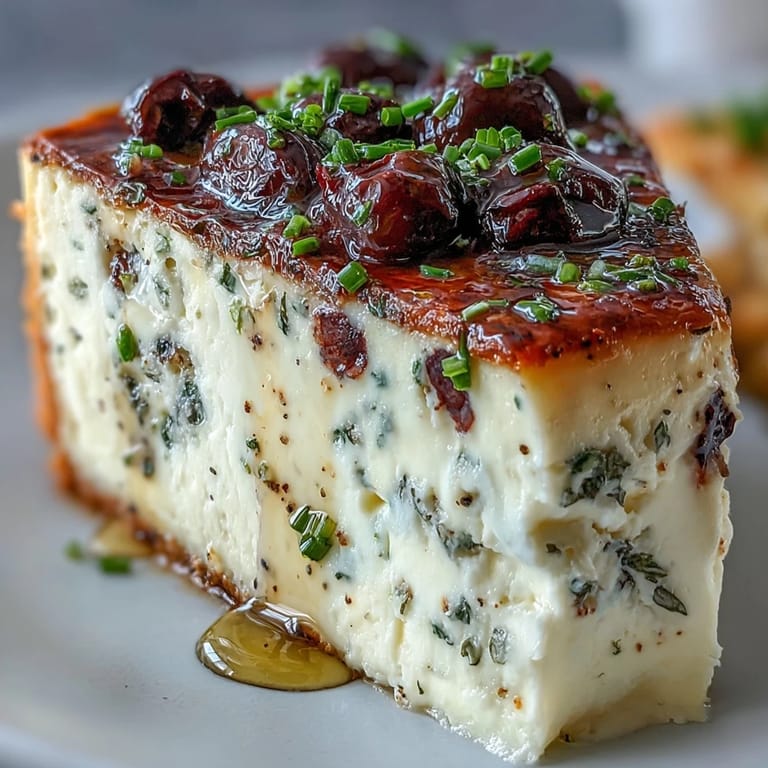
Pin There's something about cutting into this and watching the layers reveal themselves—the crust, the creamy filling studded with olives, the way the knife glides through—that makes the whole process feel worth it. My partner once said it looked too beautiful to eat, and I laughed because that's exactly when you know it's time to eat it.
Variations That Work
This recipe is forgiving enough to play with, which is when home cooking becomes fun. I've added sun-dried tomatoes (about 3 tablespoons, chopped and drained) and it brought a sweet-tart richness that Kalamata olives alone couldn't provide. Roasted red peppers work beautifully too—they add color and a smoky note without overwhelming the cheese.
Serving This Right
Serve it with crisp crackers, crostini, or even thin slices of toasted bread. I've found that serving it slightly cool—not cold from the fridge, but closer to room temperature—lets the olive oil drizzle shine and the herbs taste fresher. It's also the kind of thing that works at casual gatherings or elegant affairs without looking out of place at either.
Make It Your Own
For a gluten-free version, swap in gluten-free breadcrumbs without changing anything else. If you want it more herbaceous, increase the fresh chives and parsley, or add a tablespoon of fresh dill. One last thing: always pit your own olives if you can find them loose—jarred pitted olives lose something in the process, and you deserve better than that.
- Try making this a day ahead—the flavors deepen and meld overnight, and last-minute stress disappears.
- Keep extra olive oil at the table so people can drizzle more if they want that briny finish enhanced.
- If you're doubling the recipe, use a 10-inch springform pan and add 5 to 10 minutes to the baking time.
 Pin
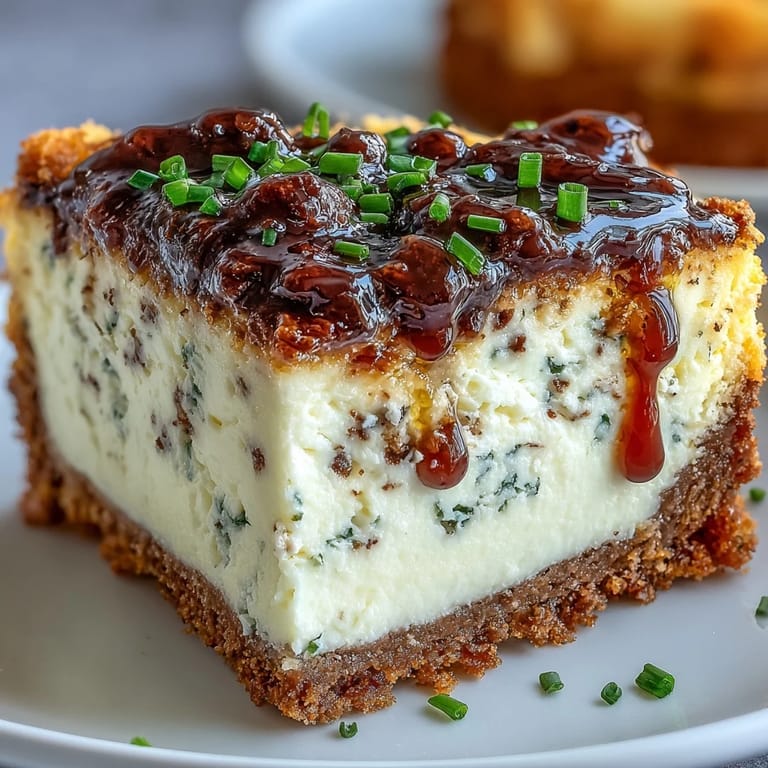
Pin This cheesecake has become one of those dishes I make when I want to feel accomplished but not stressed, and that's the sweet spot of cooking. It's savory, it's elegant, and it reminds everyone why Greek food tastes the way it does—simple ingredients in perfect proportion.
Recipe Q&A
- → Can I make this savory cheesecake ahead of time?
Yes, this appetizer actually benefits from being made ahead. Prepare it up to 24 hours in advance and keep refrigerated. Add the garnish just before serving for the freshest presentation.
- → What can I serve with this Kalamata cheesecake?
Serve with crisp crackers, toasted crostini, fresh vegetables, or pita chips. The creamy texture pairs wonderfully with crunchy accompaniments that can scoop up each bite.
- → Can I substitute the Kalamata olives with other varieties?
While Kalamata olives provide a distinctive tangy flavor, you can use other Mediterranean olives like Castelvetrano or Niçoise. Avoid overly briny varieties that might overpower the creamy cheese base.
- → How do I prevent cracks in my savory cheesecake?
Avoid overmixing the filling once eggs are added, and don't overbake. The center should still have a slight wobble when done. Cooling gradually at room temperature before refrigerating also helps prevent cracking.
- → Can this be made gluten-free?
Absolutely. Simply substitute gluten-free breadcrumbs for the regular breadcrumbs in the crust. The rest of the ingredients are naturally gluten-free, making this an easy adaptation.
- → How long will leftovers keep?
Store covered in the refrigerator for up to 4 days. The flavors often deepen after a day or two, making leftovers particularly delicious.