 Pin
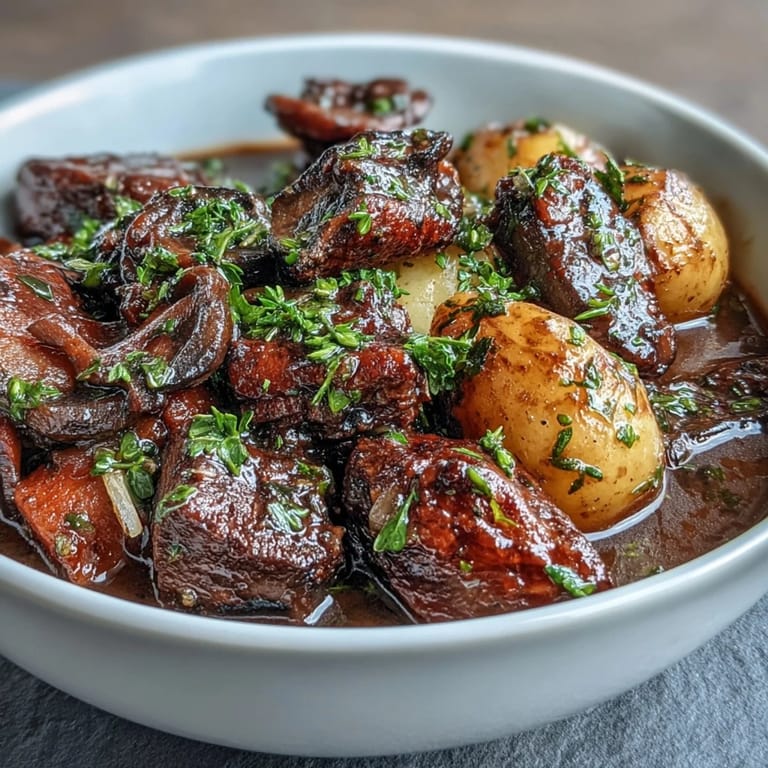
Pin There's something magical about opening a cookbook on a cold afternoon and finding a recipe that feels like it was written just for you. When I first tried making an Irish stew without the traditional Guinness, I was skeptical—how could mushrooms truly replace that deep, savory richness? But standing in my kitchen with the aroma of sautéed mushrooms filling the air, something clicked. The earthy, umami-packed fungi created a depth that surprised even me, and suddenly I understood why this humble vegetable deserved its moment in the spotlight.
I'll never forget serving this to my sister's family on a rainy October evening when everyone was tired and hungry. My nephew, who's notoriously picky about vegetables, asked for thirds and wanted to know "what the secret ingredient was." When I told him it was just mushrooms, carrots, and potatoes, his eyes widened—he'd been so convinced there was meat in there. That moment made me realize this stew does something rare: it satisfies both your body and your skepticism at the same time.
Ingredients
- Cremini or portobello mushrooms (400g): These varieties have the meaty texture and deep flavor you need; cremini are more forgiving if you're new to this technique, but portobello gives you an even richer result.
- Soy sauce (2 tbsp): The salt and umami here are non-negotiable—they transform the mushrooms from simple to savory in a way nothing else can replicate.
- Smoked paprika (1 tsp): This spice whispers of smoke and depth; it's what makes people ask if there's bacon hiding somewhere.
- Olive oil (4 tbsp total): Use good oil here since you'll taste it clearly, especially when sautéing the mushrooms and building your base.
- Yellow onion, carrots, parsnips, potatoes, celery: Each vegetable adds its own sweetness and texture to the broth; don't skip any of them or the stew loses its balanced soul.
- Vegetable broth (1.2L): The quality of your broth matters more than you'd think—a rich homemade version elevates this dish from good to unforgettable.
- Tomato paste (2 tbsp): This concentrate adds body and a subtle acidity that brightens the whole pot, keeping it from tasting one-dimensional.
- Fresh thyme and rosemary: Fresh herbs sing in this stew; dried work in a pinch, but fresh rosemary especially makes people wonder what you did differently.
- All-purpose flour or cornstarch (2 tbsp): Choose cornstarch if you need gluten-free, and it actually creates a silkier texture than flour.
- Fresh parsley (2 tbsp): The final sprinkle that says you cared enough to finish it properly.
Tired of Takeout? 🥡
Get 10 meals you can make faster than delivery arrives. Seriously.
One email. No spam. Unsubscribe anytime.
Instructions
- Sauté the mushroom meat until golden:
- Heat that oil until it shimmers, then add your chopped mushrooms with the soy sauce and paprika. Listen for the sizzle—you'll know you're doing it right when the mushrooms release their liquid and then it evaporates, leaving behind caramelized, deeply flavorful bits that look almost meaty. This takes about 8 to 10 minutes, and patience here pays off.
- Build your aromatic base:
- In your large pot, warm the 3 tablespoons of oil and let the onion and garlic soften together for about 5 minutes until fragrant. This is the foundation everything else rests on, so take your time and don't rush past the point where the onions turn translucent and soft.
- Add the root vegetables and let them toast slightly:
- Once your aromatics are ready, add the carrots, parsnips, potatoes, celery, and turnip. Stir everything together and let it cook for 5 minutes, which allows the vegetables to start releasing their flavors and the pot to get even more aromatic.
- Create the seasoning layer:
- Stir in your tomato paste first, letting it coat everything and deepen in color slightly, then add the thyme, rosemary, bay leaves, and a generous pinch of salt and pepper. This step is where the stew starts tasting like itself rather than like individual ingredients.
- Pour in the broth and begin the long simmer:
- Add your vegetable broth, bring everything to a boil, then lower the heat and cover. Let it bubble gently for 30 minutes until the vegetables are fork-tender and the broth has taken on color and richness from everything steeping in it.
- Return the mushroom meat to the pot:
- Stir those beautiful sautéed mushrooms back in now, which adds another layer of savory depth to the broth.
- Thicken with your slurry:
- Mix your flour or cornstarch with 2 tablespoons of water until smooth, then stir it slowly into the simmering stew. Keep stirring gently for 5 to 10 minutes until the broth coats the back of a spoon and everything looks creamy rather than watery.
- Taste, adjust, and finish:
- Fish out the bay leaves, taste your stew, and season with more salt, pepper, or even a splash of Worcestershire sauce if you want to push the savory notes further. Ladle it into bowls and crown each one with fresh parsley.
 Pin
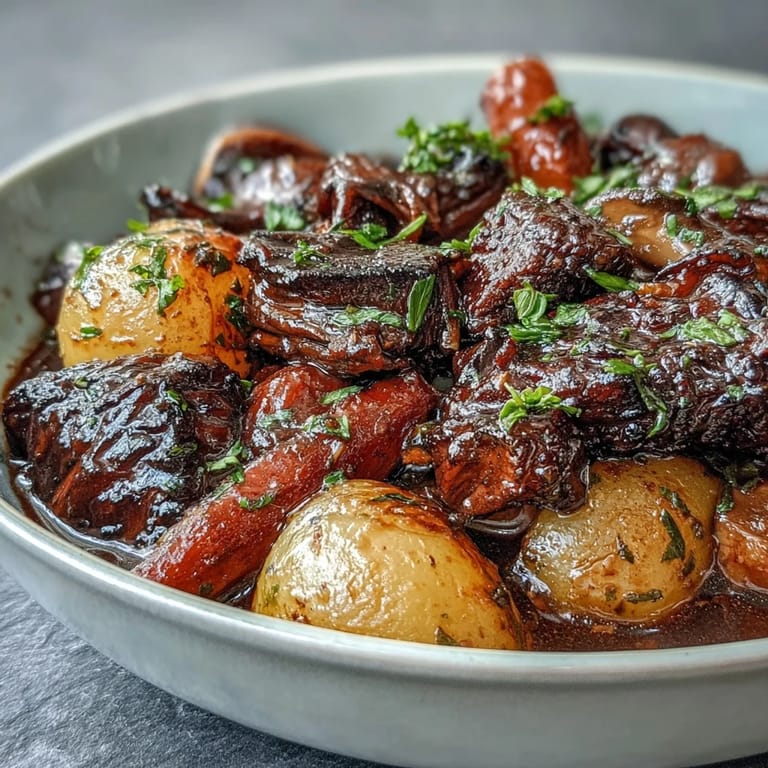
Pin There was an evening last winter when a friend called unexpectedly, voice heavy, saying she needed company and comfort. I made this stew while she sat at my counter, and somewhere between the chopping and the simmering, something shifted—we talked, we laughed, and by the time we ate, she felt a little less alone. That's when I realized this stew isn't just food; it's a way of saying "you matter" without needing many words.
The Magic of Mushroom Meat
The first time I made this stew, I treated the mushroom component as an afterthought, just something to replace meat protein. But then I tasted a spoonful of those sautéed mushrooms on their own—the way the soy sauce and paprika had transformed them into something rich and almost smoky—and I stopped thinking of them as a substitute. They're the hero of this dish, not a stand-in. When you brown them properly, they develop a texture that's tender but substantial, and a flavor that makes you forget you're eating vegetables.
Root Vegetables and Why They Matter
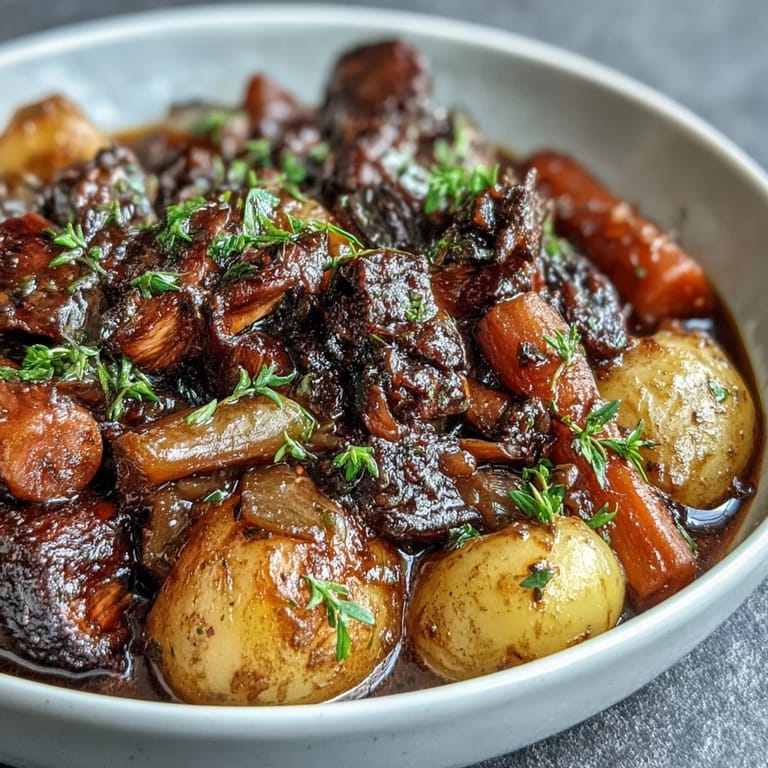
Every vegetable in this stew earns its place, and that's something I learned by experimenting and sometimes making stew with shortcuts. The parsnips add a subtle sweetness that balances the savory broth; the carrots contribute brightness and color; the potatoes break down slightly and thicken everything naturally; and the celery brings an herbal note that ties everything together. If you've ever had watery or one-dimensional stew, it's usually because one of these players was missing or underrepresented.
Serving and Variations to Try
This stew tastes best served hot in a deep bowl with crusty bread for soaking up every last drop of broth. If you want to play with it, roasted sweet potatoes instead of regular potatoes shift the entire mood to something slightly sweeter and autumn-forward, which is lovely on cooler nights. A splash of vegan Worcestershire sauce added just before serving deepens the savory notes even further, and some people swear by a tiny spoonful of marmite for an extra umami push.
- Pair this with a bold red wine like Merlot or Cabernet for a complete meal that feels restaurant-worthy.
- Leftovers keep beautifully for up to four days in the refrigerator and actually taste better as flavors meld overnight.
- This stew freezes exceptionally well, so make a double batch and have comfort food waiting on harder weeks.
 Pin
Pin This recipe taught me that the best meals aren't always the most complicated ones, but rather the ones made with intention and shared with people who matter. Every time you make this stew, you're saying something kind to whoever eats it.
Recipe Q&A
- → What type of mushrooms work best for the mushroom meat?
Cremini or portobello mushrooms finely chopped provide a meaty texture and rich flavor ideal for the mushroom meat component.
- → Can I substitute any vegetables in the stew?
Yes, root vegetables like sweet potatoes can replace regular potatoes for a sweeter note, while keeping other veggies consistent maintains balance.
- → How is the stew thickened without animal ingredients?
A slurry made from flour or gluten-free cornstarch mixed with water is stirred into the hot stew and simmered until thickened.
- → Are there any allergens to watch for in this dish?
Soy from the soy sauce and gluten from regular flour are present, which can be substituted for gluten-free alternatives if needed.
- → What herbs enhance the flavor of this Irish stew?
Fresh thyme, rosemary, and bay leaves are added to the broth to infuse it with classic aromatic and earthy notes characteristic of Irish stews.