 Pin
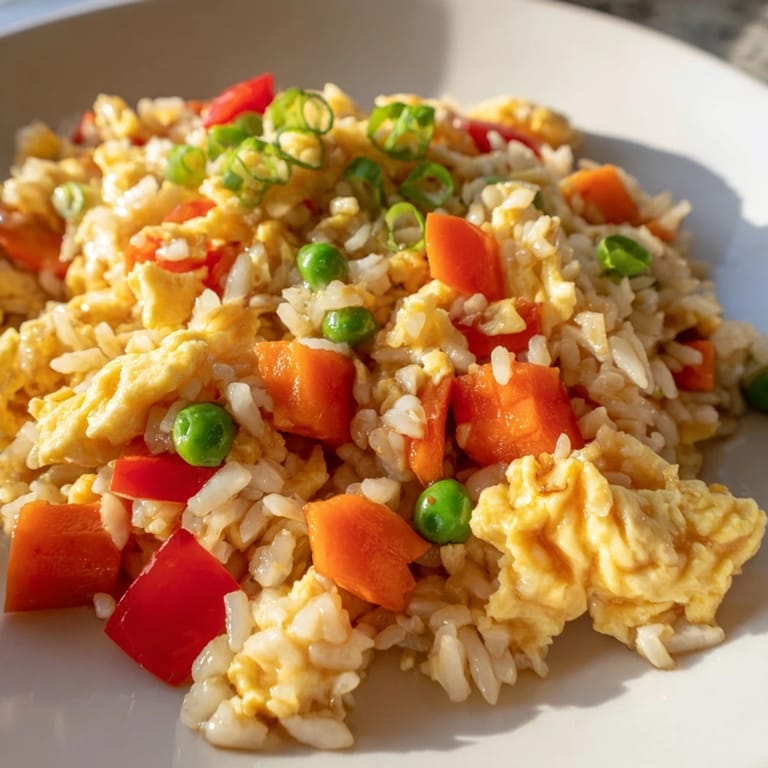
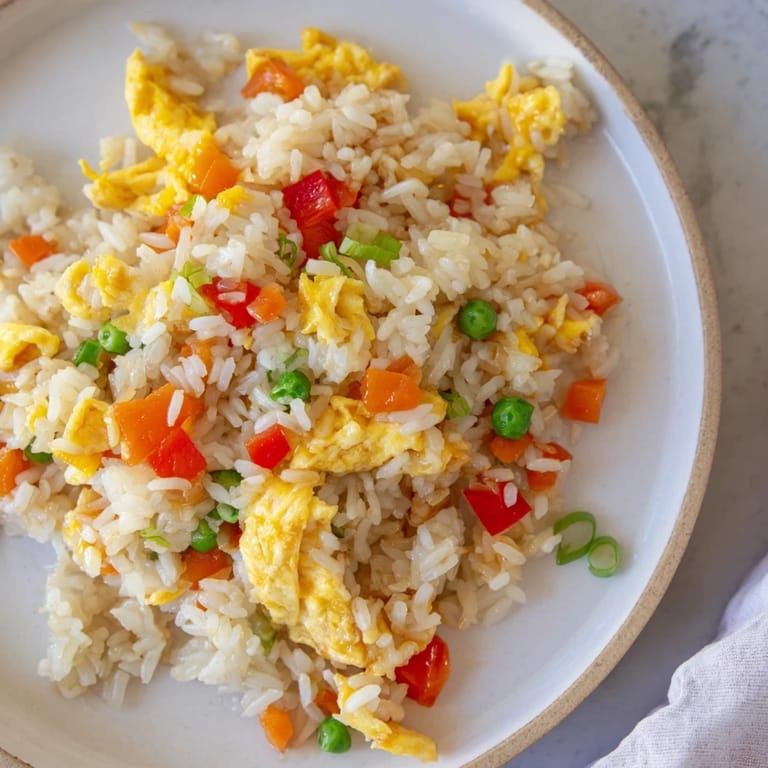
Pin There's something almost meditative about the way a wok sounds when you're frying rice—that steady sizzle that reminds you you're cooking, really cooking, not just reheating. I stumbled into making egg fried rice properly when I realized that night-old rice sitting in my fridge was actually the secret weapon, not something to apologize for. The first time I got the rice to crisp up just right, with the eggs scattered throughout like golden flecks, I understood why this dish has fed millions for centuries. It's honest food that rewards attention but doesn't demand perfection, which honestly is why I keep making it.
My neighbor once asked me what smelled so good coming from my kitchen, and when I told her it was just fried rice, she looked almost disappointed. But then she tasted it, and there was that moment where her eyes widened—the same moment I experience every time I remember that the simplest meals can feel like a small celebration. She comes over now specifically when she knows I'm making it, not because it's fancy, but because it's become a little ritual between us.
Ingredients
- Cold cooked white rice (4 cups, preferably day-old): Room-temperature or chilled rice is essential—fresh warm rice will clump and steam instead of fry, so don't skip this step even though it means planning ahead.
- Large eggs (3): They'll transform into fluffy, broken pieces that distribute throughout the rice, so beat them gently beforehand.
- Vegetable oil (2 tbsp, divided): You'll use it in two stages, first for the eggs then for everything else, so portion it out.
- Frozen peas and carrots (1 cup, thawed): Thaw them completely so they add flavor without releasing extra moisture into your wok.
- Scallions, finely sliced (½ cup, reserve some for garnish): The white and green parts do different jobs—cook the whites early, scatter the greens at the end for a fresh bite.
- Red bell pepper, diced (½): The color and slight sweetness balance the savory soy, so don't skip it even if you're tempted.
- Soy sauce (3 tbsp, low sodium preferred): This is your flavor anchor, so taste as you go since different brands have different salt levels.
- Toasted sesame oil (1 tsp): A little goes a long way—it's the secret whisper that makes people ask what your ingredient is.
- Ground white pepper (½ tsp): It distributes more evenly than black pepper and won't leave dark specks that look like burnt bits.
- Garlic, minced (1 clove): One clove is usually enough unless you're a garlic devotee like I became after one particularly fragrant batch.
- Fresh ginger, grated (1 tsp, optional): If you add it, you'll taste a warmth that ties everything together in a way plain rice never could.
Tired of Takeout? 🥡
Get 10 meals you can make faster than delivery arrives. Seriously.
One email. No spam. Unsubscribe anytime.
Instructions
- Beat Your Eggs:
- Crack three eggs into a small bowl and beat them with a pinch of salt until they're uniform and slightly frothy. This little step makes them cook into tiny, delicate curds instead of solid chunks.
- Scramble and Set Aside:
- Heat one tablespoon of oil in your wok or skillet over medium-high heat until it shimmers, then add the eggs and scramble them gently until they're just set but still a touch soft—they'll cook a bit more later. Move them to a plate and don't worry if they look slightly underdone.
- Bloom Your Aromatics:
- Add the remaining oil to the same wok, then add your minced garlic, ginger if you're using it, and the white parts of the scallions. Let them sizzle for about thirty seconds until the smell hits you—that's how you know the flavors are waking up.
- Cook the Vegetables:
- Add your peas, carrots, and diced bell pepper to the wok and stir-fry for two to three minutes. You want them tender but still holding their shape, not soft.
- Break Up and Fry the Rice:
- Turn the heat up to high, add your cold rice, and use your spatula to break apart any clumps as you stir. You'll feel the rice starting to crisp up and hear the sound change—stir-fry for two to three minutes until the rice feels dry and individual grains are separating.
- Bring It All Together:
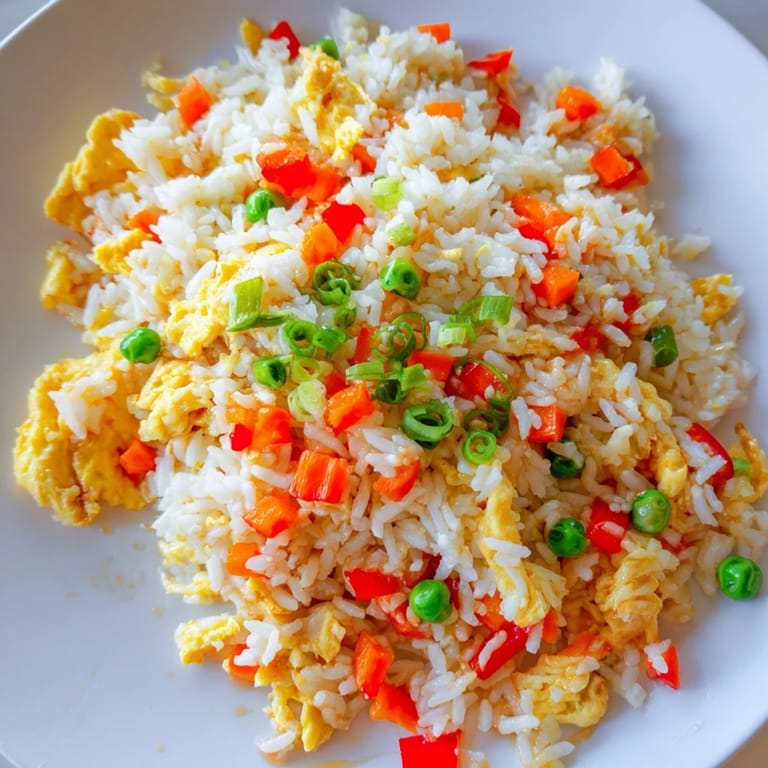
- Return the scrambled eggs to the wok, breaking them into small pieces as they go in. Pour in your soy sauce, sesame oil, and white pepper, then toss everything constantly until it's evenly coated and heated through. Taste it—you might want an extra splash of soy sauce or sesame oil depending on your preference.
- Finish with Freshness:
- Scatter the reserved green parts of your scallions over the top and serve immediately while it's still hot and slightly steaming.
 Pin
Pin I made this for my sister one busy weeknight when she was stressed about feeding her family something quick, and watching her kids actually ask for seconds—no negotiation, no pushing vegetables around the plate—reminded me that sometimes the most generous thing you can cook is something simple that actually tastes good. She texts me the recipe constantly now, which is its own kind of compliment.
Why Cold Rice Changes Everything
The difference between cold rice and warm rice is the difference between fried rice and hot rice soup, and I learned this the hard way by trying to make fried rice right after cooking it fresh. Warm rice releases steam, which turns into moisture, which turns into clumping instead of frying. Plan ahead by cooking your rice the night before, spreading it on a plate to cool faster, then storing it uncovered in the fridge so any remaining moisture can escape. This small choice is what transforms this dish from rushed reheating into actual cooking.
The Heat Matters More Than You Think
A wok is ideal, but honestly a large skillet works just fine if that's what you have—what matters is that your cooking surface is hot before the rice hits it and stays hot while you're working. When the rice hits that heat, listen for the sizzle to intensify; that sound is telling you the cooking is happening. If your heat drops or your pan isn't hot enough, you'll get soft rice instead of rice with slight crispy edges, and those crispy edges are what people remember.
Making It Your Own
This recipe is a framework, not a rule book, and once you understand how the components work together you can improvise with confidence. Cooked shrimp, bite-sized chicken pieces, or cubed tofu can add protein without changing the technique. Swap the vegetables for whatever you have—broccoli, snap peas, corn, mushrooms all work beautifully. Even the aromatics are flexible; if you love cilantro more than scallions, use cilantro, or if white pepper isn't your thing, black pepper works fine.
- Add a drizzle of sriracha or chili oil at the end if you want heat creeping in from the side.
- A teaspoon of fish sauce sounds strange but adds a savory depth that makes people taste something they can't quite name.
- Toast a bit of cashew or peanut in a dry pan beforehand and scatter it on top for crunch that nobody expects.
 Pin
Pin This is the kind of meal that fed me through busy weeks and showed up at potlucks where people actually asked for the recipe written down. It's honest, it's quick, and it tastes like someone cared about feeding you well.
Recipe Q&A
- → What type of rice works best?
Day-old, cold cooked white rice is ideal as it prevents clumping and achieves a better stir-fry texture.
- → Can I add other vegetables?
Yes, feel free to include vegetables like bell peppers, peas, carrots, or scallions to enhance color and flavor.
- → How do I prevent eggs from becoming rubbery?
Scramble eggs gently over medium-high heat just until set, then remove promptly to avoid overcooking.
- → Is there a gluten-free soy sauce alternative?
Tamari is a great gluten-free alternative that maintains the rich umami taste needed for flavor balance.
- → How can I adjust the spice level?
Adding a dash of chili sauce or fresh chilies can introduce heat according to your preference.