 Pin
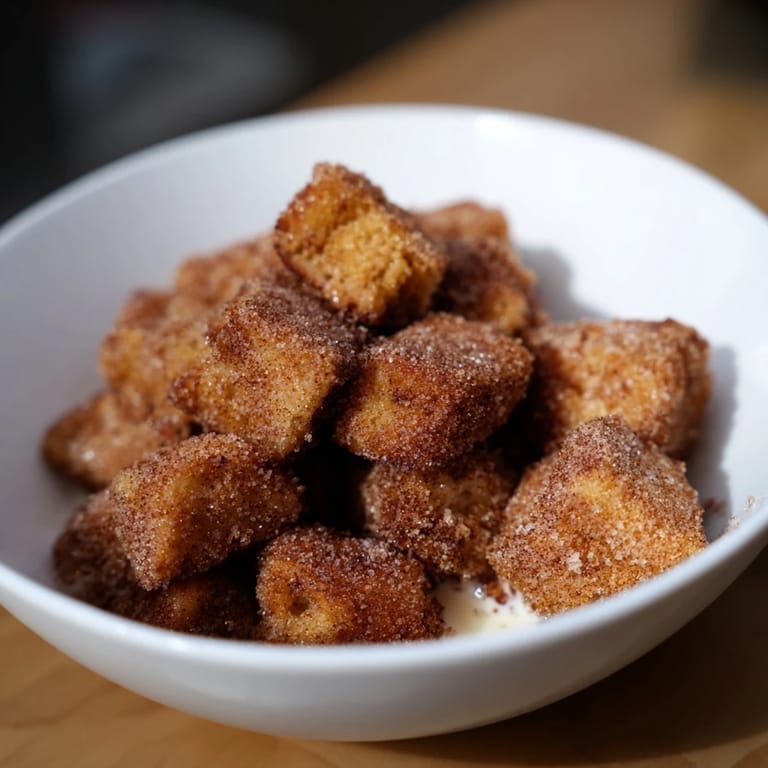
Pin My nephew turned seven and announced he wanted French toast for breakfast, but only if it came in his cereal bowl. I laughed at first, thinking he meant actual cereal, but he was serious—he wanted something crispy and golden that could swim in milk like little flavor-soaked croutons. That request sat with me all week, and when I finally tried making French toast cubes instead of the traditional slab, something clicked. These bite-sized pieces get exponentially more crispy, they soak up milk differently, and there's something undeniably fun about eating breakfast with a spoon from a bowl.
I tested this first on a random Tuesday with my partner, and we ended up eating two bowls each while sitting at the kitchen counter in our pajamas, not talking much, just listening to the milk clink against the spoon. There's something about eating breakfast this way that makes ordinary Tuesday mornings feel a bit less ordinary. That's when I knew this had to become a real breakfast rotation, not just a one-time novelty.
Ingredients
- Brioche or white sandwich bread (6 slices): The key here is using something soft enough to soak quickly but sturdy enough not to disintegrate—brioche is ideal because it's already slightly sweet and won't turn mushy.
- Eggs (2 large): They're your binding agent and what creates that custardy coating that crisps up beautifully in the pan.
- Whole milk (1/2 cup): Whole milk makes the custard richer and helps it adhere better than lower-fat versions.
- Granulated sugar (1 tbsp plus 1/4 cup for topping): The first tablespoon sweetens the custard itself, while the finishing sugar creates that subtle crunch on the outside.
- Ground cinnamon (1/2 tsp plus 1 tsp for topping): Don't skip the double dose—it builds flavor in both the custard and the final coating.
- Pure vanilla extract (1/2 tsp): This small amount makes a noticeable difference in depth; imitation extract works but pure is worth it here.
- Salt (pinch): Salt amplifies sweetness and ties everything together.
- Unsalted butter (2 tbsp): Unsalted gives you control over the final salt level, and it browns beautifully to add a toasted background note.
- Maple syrup and milk (optional for serving): Maple syrup adds richness, and milk is the unexpected vehicle that makes this work as a breakfast cereal.
Tired of Takeout? 🥡
Get 10 meals you can make faster than delivery arrives. Seriously.
One email. No spam. Unsubscribe anytime.
Instructions
- Cube your bread:
- Cut each slice into roughly half-inch pieces—think larger than crouton-sized but small enough to hold a spoon. Don't aim for perfection here; slightly uneven pieces actually crisp up at different rates, which is oddly desirable.
- Build your custard:
- Whisk eggs, milk, 1 tablespoon sugar, half a teaspoon of cinnamon, vanilla, and salt until it's completely smooth. This is where your flavor base lives, so taste it—it should taste slightly sweet and distinctly of cinnamon, not egg-forward.
- Soak without overdoing it:
- Add bread cubes to the custard and toss gently to coat. The two to three minute soak is exact—longer and the outsides start falling apart, shorter and the inside stays bland. You'll know it's ready when the bread looks wet but still holds its shape.
- Cook in batches for maximum crispiness:
- Melt 1 tablespoon of butter over medium heat and add half the soaked cubes in a single layer, stirring frequently for two to three minutes until all sides are golden brown and crispy. Don't crowd the pan and don't stop moving them—you want every face of every cube to kiss the hot butter.
- Coat with cinnamon sugar:
- While the cubes are still warm, toss them with the combined cinnamon sugar mixture. The warmth helps the sugar stick and dissolve slightly, creating a subtle glaze rather than just a coating.
- Serve immediately as cereal:
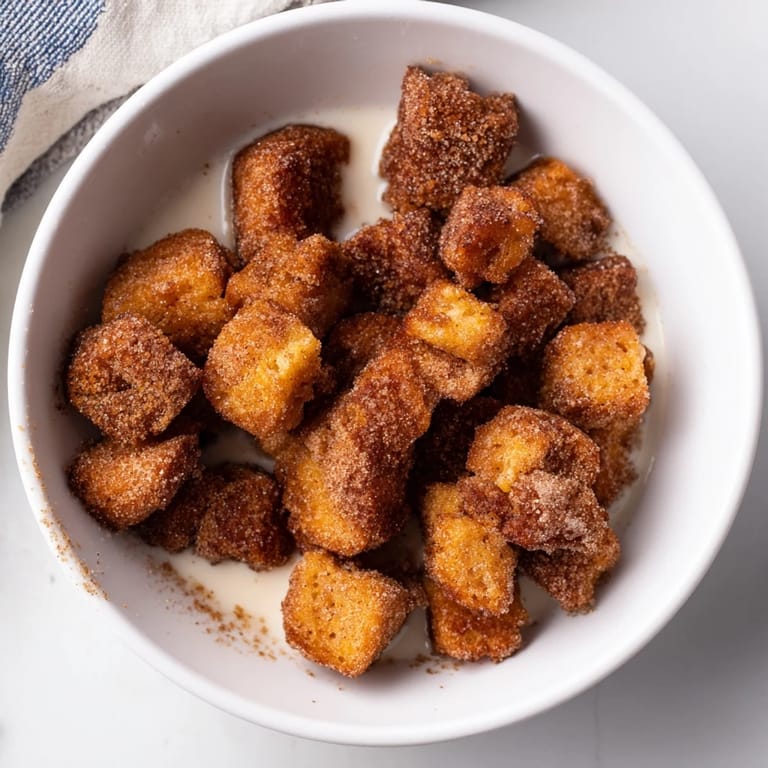
- Pour into a bowl, add a splash of cold milk or a drizzle of maple syrup, and eat right away. The contrast between warm toast cubes and cold milk is the whole point.
 Pin
Pin My mom called last week asking what I was making for my nephew's birthday breakfast, and when I described this to her, there was this long pause before she said, 'That's brilliant.' Coming from someone who spent thirty years perfecting her French toast, that felt like something. Sometimes the best recipes aren't completely new—they're just asking permission to be different from how they've always been done.
The Texture Thing
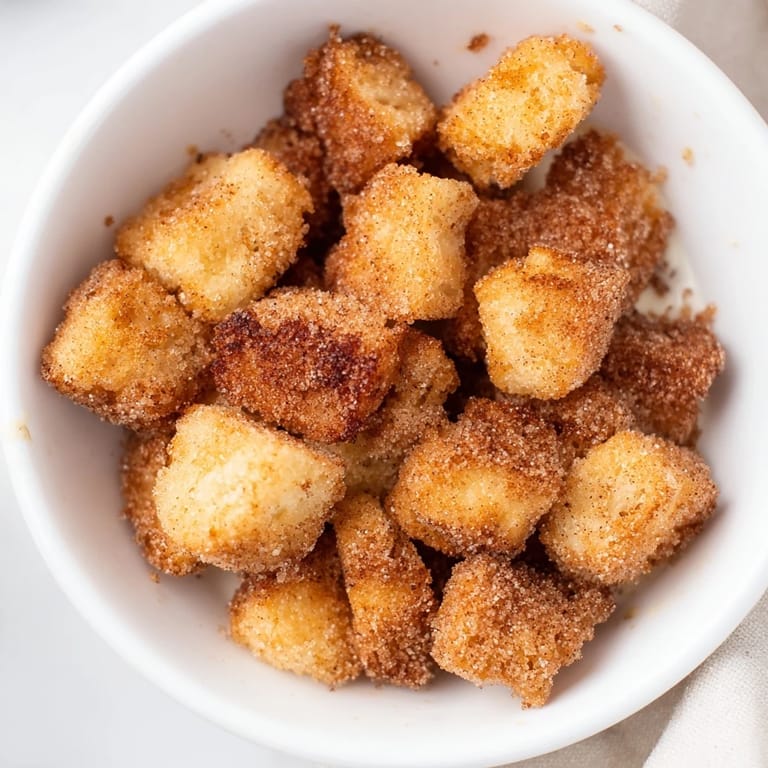
I've made regular French toast hundreds of times, and it's wonderful—that custardy center contrasting with the golden exterior. But these cubes are a different animal entirely. Because they're smaller and you're turning them constantly while they cook, they crisp up all over, which means there's no soft spot, no chewy center waiting to disappoint. It's all contrast—crispy outside, still slightly tender inside, but never mushy. The shape also means they interact differently with milk; they don't immediately get soggy like a slice would. Instead, they soften gradually, like cereal does, and that pacing actually matters when you're eating from a bowl.
Why This Works as Breakfast
There's something psychologically different about eating French toast from a cereal bowl instead of off a plate. Maybe it's that we're trained from childhood to think of bowls as casual and forgiving, or maybe it's just that holding a spoon instead of a fork makes it feel like more of an experience than a standard breakfast. Whatever it is, this version hits different. It tastes indulgent without feeling heavy, it's fun without being gimmicky, and it somehow makes people slow down and actually taste it instead of rushing through breakfast on the way out the door.
Variations and Timing
You can add a pinch of nutmeg to the custard if you want something more autumnal, or a tiny splash of almond extract for something almost mysterious. Some mornings I've used challah instead of brioche just because that's what was in the house, and it worked beautifully. The whole process from counter to bowl is genuinely quick—prep while your skillet heats, cook while you pour coffee, and you're eating within twenty minutes. If you're cooking for a crowd, keep finished batches warm in a low oven while you work through the rest, then toss everything together with the cinnamon sugar right before serving.
- Stale bread that's been sitting out overnight works better than fresh bread, so plan ahead if you can.
- You can make the cinnamon sugar mixture the night before and store it in a small jar.
- Serve with cold milk, maple syrup, or even a dollop of Greek yogurt if you're feeling fancy.
 Pin
Pin This recipe came from a seven-year-old's specific breakfast request, but it's become something I make for myself on mornings when I need breakfast to feel like more than just fuel. That's the real win here.
Recipe Q&A
- → What type of bread works best?
Brioche or white sandwich bread is ideal because it soaks up the mixture well and crisps nicely when cooked.
- → Can I make this gluten-free?
Yes, opting for gluten-free bread alternatives works well, just ensure the texture holds up for soaking and frying.
- → How do I achieve a crispy texture?
Cook the soaked bread cubes in melted butter over medium heat, turning frequently until all sides are golden and crisp.
- → What flavorings are used in the soaking mixture?
The mixture includes eggs, milk, sugar, ground cinnamon, vanilla extract, and a pinch of salt for balanced sweetness and spice.
- → Can this be prepared dairy-free?
Yes, you can substitute dairy milk and butter with plant-based alternatives to suit dietary needs.
- → How should I serve these mini toast bites?
Serve warm in a bowl with a drizzle of maple syrup or a splash of milk for a comforting breakfast experience.