 Pin
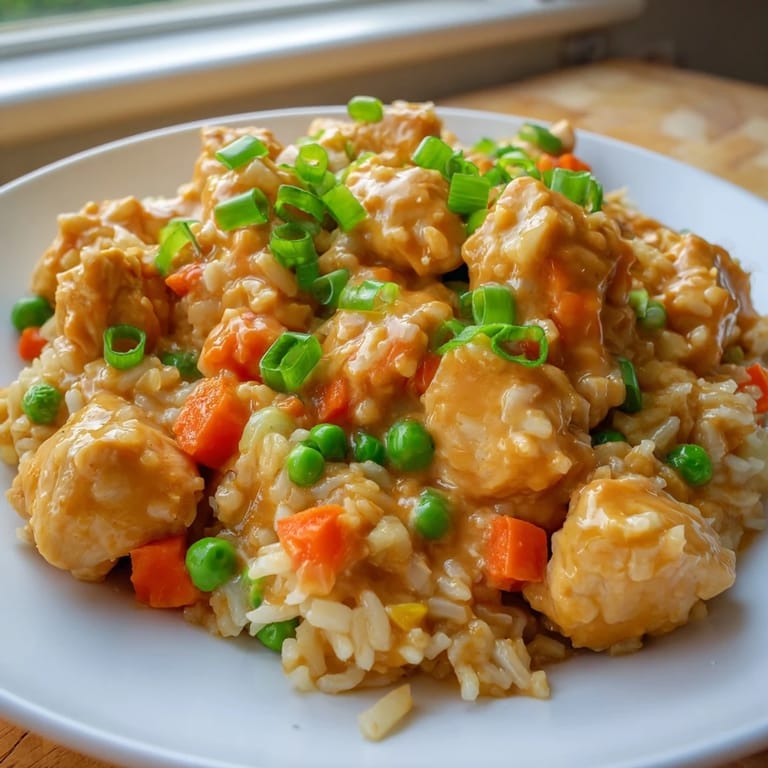
Pin I discovered this dish on a Tuesday night when I had leftover butter chicken in the fridge and a container of day-old rice that felt too plain to reheat straight. Something clicked—what if I treated them like dance partners instead of separate acts? The first time I tossed them together in my wok, the creamy sauce mixed with the rice and suddenly I had something that tasted like a deliberate recipe, not leftovers salvaging. Now it's one of those dishes I almost hope for leftovers just to make it again.
My roommate once said our kitchen smelled like an Indian restaurant mixed with a Chinese takeout spot, and she meant it as the highest compliment. That's exactly what happens when you're building this dish—the warm garam masala floats up from the pan, the soy sauce adds this deep umami note, and the butter chicken's tomato cream base ties it all together. It was the first time I realized fusion cooking doesn't have to be confused; it can be genuinely delicious and honest.
Ingredients
- Leftover butter chicken (2 cups with sauce): The soul of this dish—creamy, aromatic, and already carrying all that flavor work. Use boneless pieces if you can; they mix into the rice more smoothly and you won't be fishing for bones mid-bite.
- Cooked rice (3 cups, day-old and cold): Day-old rice is your friend here because it's drier and won't clump. Fresh, warm rice will steam and stick; cold rice separates beautifully in the wok.
- Frozen peas and diced carrots (1/2 cup each): These cook from frozen in seconds and add color without extra prep. They also give you little bursts of sweetness that balance the savory elements.
- Onion and green onions (1 small onion, finely chopped; 2 sliced): The regular onion builds a flavor base, while green onions stay fresh and bright scattered over top.
- Soy sauce (2 tablespoons): This brings salt and depth. Gluten-free versions work perfectly if that matters to you—no compromise on flavor.
- Tomato paste (1 tablespoon, optional): A small amount deepens the color and adds subtle sweetness that complements the butter chicken sauce without overpowering it.
- Garam masala (1/2 teaspoon, optional): This is your reminder that you're making something intentional, not just mixing things. It whispers spice without heat, adding warmth and complexity.
- Butter and vegetable oil (2 tablespoons butter, 1 tablespoon oil): Butter alone can burn at high heat, so the oil helps; the butter adds richness and flavor you can actually taste.
- Eggs (2 large, lightly beaten, optional): These create little ribbons of protein throughout and add a silky richness that makes the dish feel more substantial.
Tired of Takeout? 🥡
Get 10 meals you can make faster than delivery arrives. Seriously.
One email. No spam. Unsubscribe anytime.
Instructions
- Set yourself up:
- Measure out everything and set it near your stove—onions, carrots, peas, sauces, the cold rice, and that butter chicken. Fried rice moves fast once you start, and reaching for things mid-cook means things burn or sit.
- Heat your wok or skillet:
- Get your large wok or deep skillet hot over medium-high heat, then add the oil and butter. You'll know it's ready when a bit of onion sizzles immediately when it hits the pan.
- Start with the vegetables:
- Toss in the chopped onion and carrots, stirring constantly for 2 to 3 minutes until they soften slightly and the onion begins to turn translucent. You'll smell when they're ready—that sweet, cooked-onion aroma.
- Add eggs if you're using them:
- Push the vegetables to the side of the pan, pour in the beaten eggs, and let them set for a moment before scrambling them into the vegetables. It only takes a minute or so; you want soft curds, not rubbery scrambled eggs.
- Break up and fry the rice:
- Add your cold rice to the pan and break up any clumps as you stir. After 2 to 3 minutes of constant stirring, it should be heated through and starting to separate into individual grains instead of a solid mass.
- Bring in the butter chicken:
- Add the leftover butter chicken along with its sauce, the peas, green onions, and tomato paste if you're using it. Stir everything together gently so you don't shred the chicken pieces, making sure the sauce coats the rice.
- Season and heat through:
- Pour in the soy sauce, add the garam masala and a pinch of salt and pepper, then stir constantly for 3 to 4 minutes. This is when everything comes together—the sauce should smell warm and savory, coating every grain. Taste a spoonful and adjust the seasoning if you need more salt or a bit more heat.
- Finish with richness:
- Stir in that last tablespoon of butter, tossing until it melts and coats everything. This is the move that takes it from good to memorable.
- Plate and garnish:
- Divide into bowls, scatter extra green onions on top, and serve while it's steaming. The heat brings out all the aromatics right as you bring it to your mouth.
 Pin
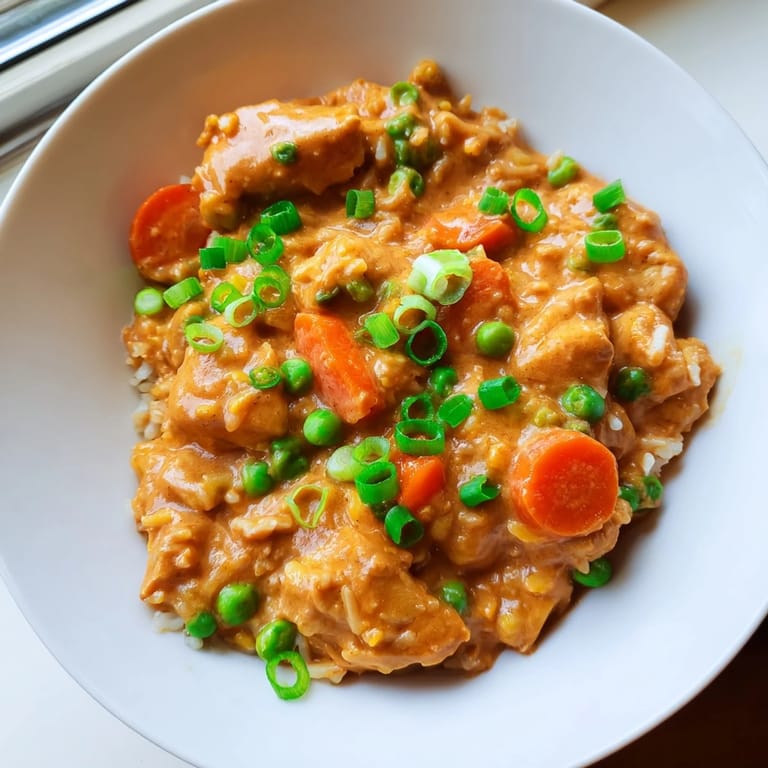
Pin There's a moment in this recipe—right when you stir in that last bit of butter and everything becomes glossy and unified—where it stops being leftovers and becomes dinner. That shift is what I reach for, every time.
Why Cold Rice Changes Everything
The first time I made fried rice with warm rice from the pot that same day, I got a sticky, clumpy mess that tasted fine but felt disappointing. A friend mentioned the next day that cold rice is the secret, and I felt a little foolish for not knowing, then grateful for the learning. Cold rice has less moisture and separates when you stir it, which is exactly what you want. Now I deliberately cook extra rice the day before, knowing it's the foundation for mornings when I want something quick that tastes like I actually tried.
The Butter Chicken Sauce is Your Flavor Engine
Since the butter chicken comes already made and seasoned, your job is lighter than making fried rice from scratch. That sauce carries tomato, cream, spices, and butter—everything the rice needs to taste sophisticated instead of plain. I've made this with different butter chicken recipes and flavors, and each one shifts the final dish slightly. The better your leftover butter chicken, the less tweaking you'll need; the sauce does most of the work.
Making It Your Own
Once you understand the basic structure, this dish invites gentle experimentation without falling apart. Bell peppers add sweetness and color, corn brings texture, and a handful of cilantro at the end adds brightness if you like that herbiness. A dash of chili sauce pushes the heat, while a squeeze of lemon brings acidity that cuts through the richness beautifully.
- Add bell peppers or corn for extra color and flavor without changing the cooking time.
- A tiny drizzle of sesame oil over top before serving adds a toasted depth that feels special.
- Serve alongside cucumber raita or a simple green salad to balance the creamy richness.
 Pin
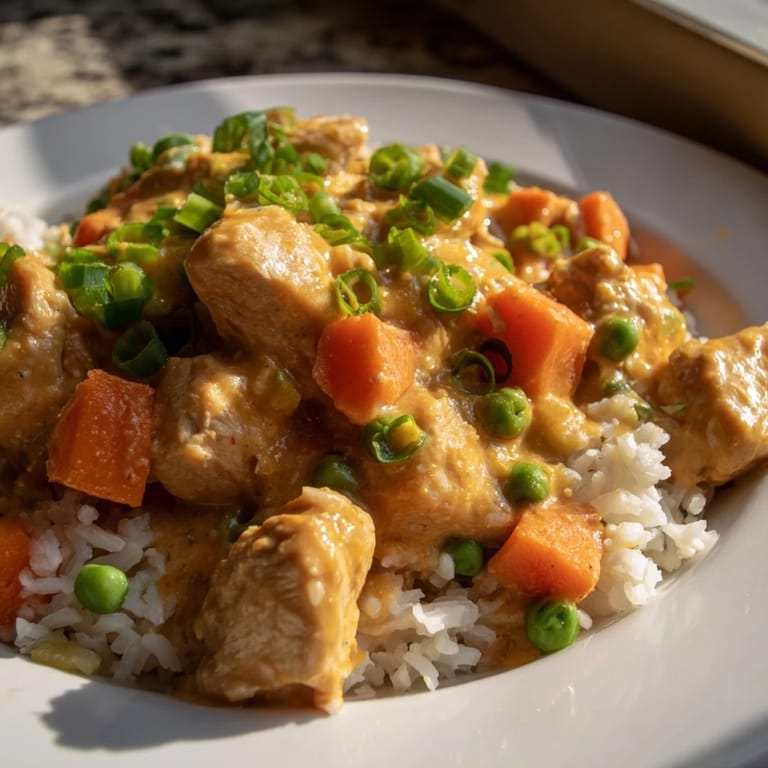
Pin This is the kind of dish that reminds you that the best meals don't always start with a long plan. Sometimes they start with leftovers, a little creativity, and 30 minutes of focused cooking.
Recipe Q&A
- → Can I use fresh chicken instead of leftovers?
Yes, cook the chicken thoroughly with sauce before adding it to the rice for best texture and flavor.
- → What rice is best for this dish?
Day-old cooked rice, such as jasmine or basmati, works best as it prevents clumping and absorbs flavors well.
- → How can I add more spice to this meal?
Include chopped green chilies or a splash of chili sauce during stir-frying to enhance heat.
- → Is it necessary to use eggs in the stir-fry?
Eggs are optional but add extra protein and texture; omit if preferred or for dietary needs.
- → Can I substitute soy sauce for a gluten-free option?
Yes, use gluten-free soy sauce to keep the dish gluten-free without sacrificing flavor.