 Pin
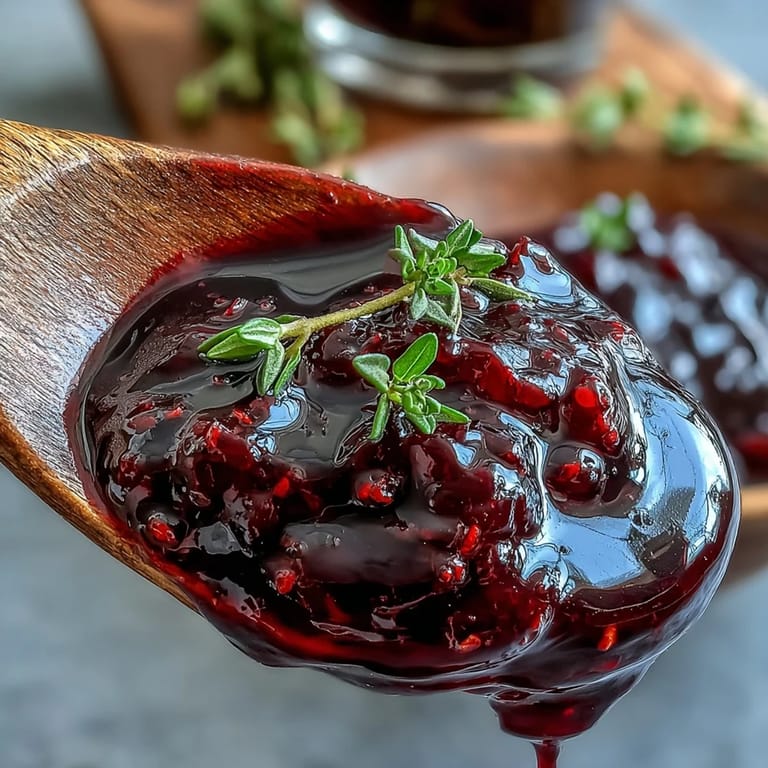
Pin I discovered black currant reduction quite by accident when a friend brought a punnet of fresh black currants to a dinner party, and I realized I had no idea what to do with them beyond jam. That evening, watching the deep purple berries transform into a glossy, wine-dark sauce while herbs perfumed the kitchen felt like uncovering a secret that French chefs had been keeping. The first spoonful over duck changed everything—suddenly, this wasn't just a condiment, it was the reason to roast meat in the first place.
I made this sauce for a small supper where someone brought venison steaks, and watching people's faces light up when they tasted that first bite was unforgettable. The sauce clung to the meat just right, dark and glossy, with that perfect pull between sweet currant and sharp wine that made everyone reach for seconds. That's when I understood: this wasn't just a recipe, it was a show-stopper hiding in plain sight.
Ingredients
- Black currants (1 cup, 150 g fresh or frozen): These little berries are packed with flavor and natural pectin, which helps the sauce thicken beautifully; frozen ones work just as well as fresh, so don't stress about seasonality.
- Dry red wine (1 cup, 240 ml): Choose something you'd actually drink, because cheap wine makes cheap-tasting sauce; the wine reduces and concentrates, so quality matters here.
- Chicken or vegetable stock (1/2 cup, 120 ml): This adds body and prevents the sauce from becoming too wine-forward or one-dimensional.
- Balsamic vinegar (2 tbsp, 30 ml): A good balsamic brings depth and a subtle sweetness that plays nicely with the tart berries.
- Shallot (1 small, finely chopped): Shallots mellow beautifully when cooked gently in butter, adding sweetness without the harsh bite of raw garlic.
- Fresh thyme and bay leaf: These aromatics infuse the sauce with subtle herbal notes that make it taste intentional and sophisticated.
- Granulated sugar (2 tbsp, 25 g): A small amount balances the wine's acidity and the currants' tartness, but don't skip tasting at the end because every fruit batch varies.
- Black pepper and sea salt: Freshly ground pepper blooms in the heat, and fine sea salt dissolves instantly without grittiness.
- Cold unsalted butter (2 tbsp, 30 g): The final butter emulsion creates that silky, restaurant-quality finish that makes the sauce cling to meat instead of running off the plate.
Tired of Takeout? 🥡
Get 10 meals you can make faster than delivery arrives. Seriously.
One email. No spam. Unsubscribe anytime.
Instructions
- Start with the shallots:
- Melt a tablespoon of butter in your saucepan over medium heat, then add the finely chopped shallot and let it soften for a couple of minutes until it turns translucent and sweet-smelling. You'll know it's ready when it loses that raw bite and the kitchen starts to smell inviting.
- Build the sauce base:
- Add the black currants, red wine, stock, balsamic vinegar, thyme, bay leaf, sugar, salt, and pepper all at once, stirring gently to combine so nothing sticks to the bottom. This is where the magic starts—watch how the currants begin to release their deep color into the liquid.
- Reduce and concentrate:
- Bring everything to a gentle boil, then lower the heat to a soft simmer and let it bubble quietly, uncovered, for fifteen to twenty minutes, stirring now and then. You're aiming for about half the original liquid, and you'll notice the sauce becoming darker and slightly syrupy—this is how you know it's working.
- Strain and purée:
- Fish out the thyme sprig and bay leaf, then pour the whole thing through a fine mesh strainer into a clean pan, pressing down on the berries with the back of a spoon to release every drop of that concentrated flavor. Don't rush this part; let gravity and gentle pressure do the work.
- Mount with butter:
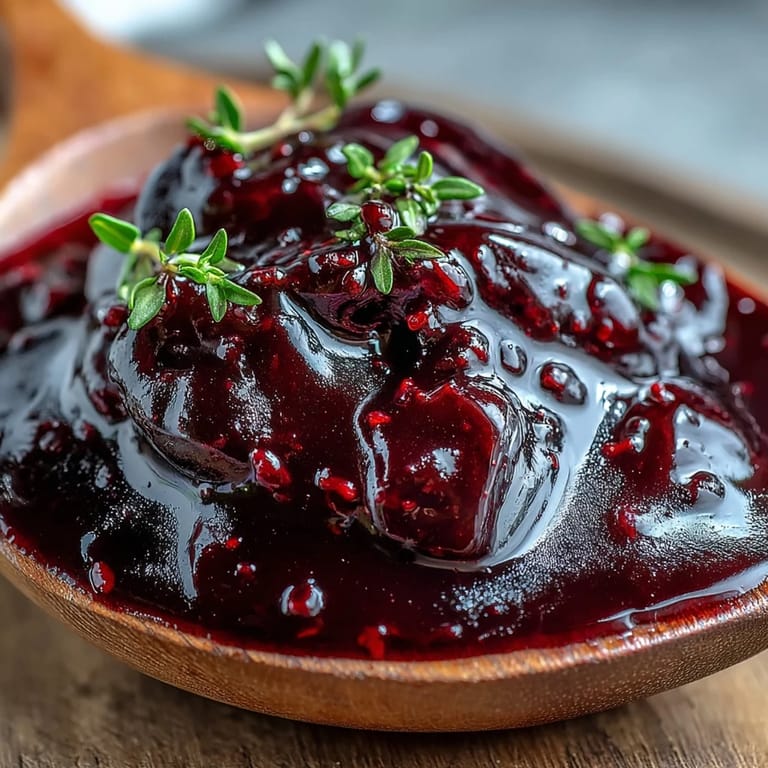
- Return the strained sauce to low heat and whisk in the remaining cold butter, one cube at a time, until it's fully incorporated and the sauce turns glossy and smooth. This final step is non-negotiable if you want that silky, elegant finish that clings to meat.
- Taste and finish:
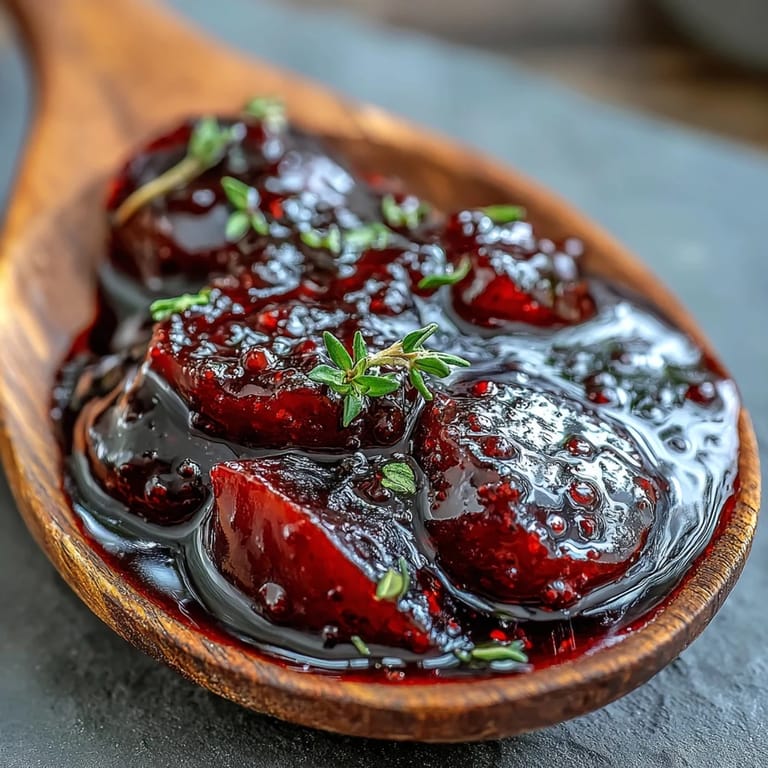
- Give it a final taste and adjust salt, pepper, or vinegar if needed—the sauce should be balanced between sweet, tart, and savory. Serve warm over roasted duck, pork, venison, or charcuterie.
 Pin
Pin There was a quiet moment during that venison dinner when someone asked how I made the sauce, and I realized I'd stopped thinking of it as complicated and started thinking of it as simply mine. That's what happens when you make something a few times and stop following the recipe so religiously—it becomes a conversation between you and your ingredients.
Why Black Currants Deserve Your Attention
Black currants are tart and floral in a way that most berries aren't, and that makes them perfect for balancing rich meat. When they cook down, they don't turn mushy or lose flavor like some fruits do; instead, they intensify and develop this almost wine-like complexity. If you've never used them before, this sauce is the perfect gateway into understanding why they're such a prized ingredient in classical French cooking.
Making It Ahead and Reheating
I started making this sauce the day before dinner parties because it gives the flavors time to marry and deepen, and honestly, it tastes even better after a night in the fridge. When you're ready to serve, just gently reheat it over low heat, whisking in a tiny splash of stock or wine if it's thickened too much, and it comes back to life beautifully.
Variations and Flavor Tweaks
Once you've made this sauce once, you'll start experimenting, and that's the fun part. Some nights I add a splash of crème de cassis for extra depth, and other times I finish with a touch more balsamic if the currants weren't as tart as expected. The base is flexible enough to bend to what you have on hand and what your palate is craving.
- If you want a sharper edge, add another splash of balsamic vinegar at the very end, just before serving.
- Crème de cassis transforms the sauce into something almost dessert-like, so use it sparingly if you're serving with savory meats.
- A tiny pinch of ground cardamom or a whisper of cinnamon can add unexpected warmth if you're feeling adventurous.
 Pin
Pin This sauce has become the thing I reach for when I want to cook something that feels special without trying too hard. It's proof that sometimes the most elegant dishes are just fruit, wine, and patience coming together in a pan.
Recipe Q&A
- → What dishes pair best with black currant reduction?
This versatile sauce complements rich, savory meats exceptionally well. Try it over seared duck breast, roasted pork tenderloin, grilled venison chops, or lamb. It also adds sophistication to charcuterie boards and pairs beautifully with aged cheeses and pâtés.
- → Can I use frozen black currants?
Absolutely. Frozen currants work just as well as fresh in reductions. They break down beautifully during cooking and actually release their juices more readily, which can help achieve that concentrated consistency even faster.
- → How long will the sauce keep?
Store in an airtight container in the refrigerator for up to 5 days. The flavors often develop and meld even further after a day. Gently reheat over low heat, adding a splash of stock if needed to restore consistency.
- → What creates the glossy finish?
The technique of whisking cold butter into the warm sauce at the end is called monter au beurre. This emulsification creates a luxurious, velvety texture and beautiful sheen while adding richness without making the sauce heavy.
- → Can I make this sauce alcoholic-free?
Substitute additional stock or grape juice for the red wine. For a similar depth and acidity, add extra balsamic vinegar and a splash of pomegranate or cranberry juice to maintain that characteristic tangy complexity.