 Pin
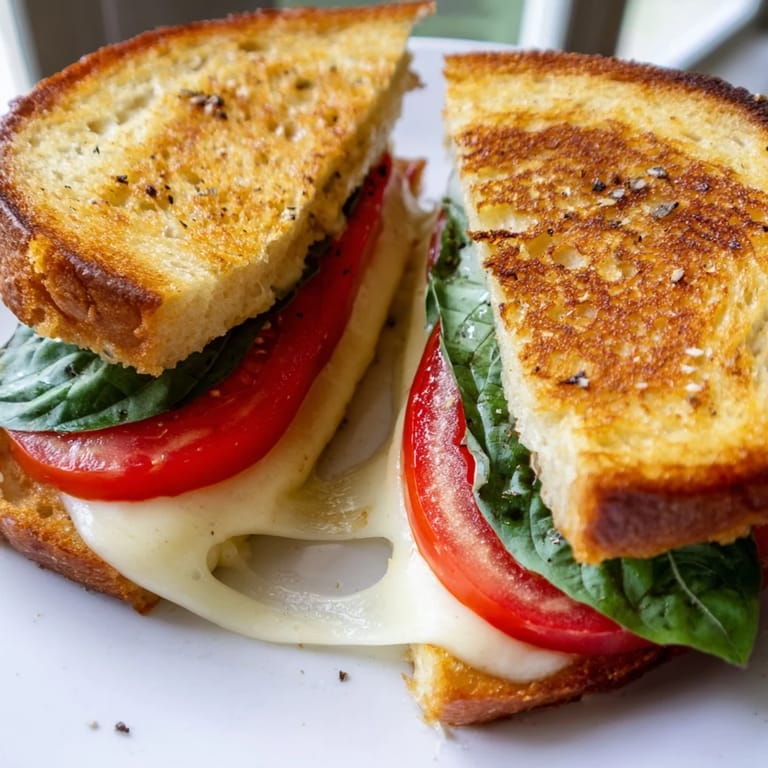
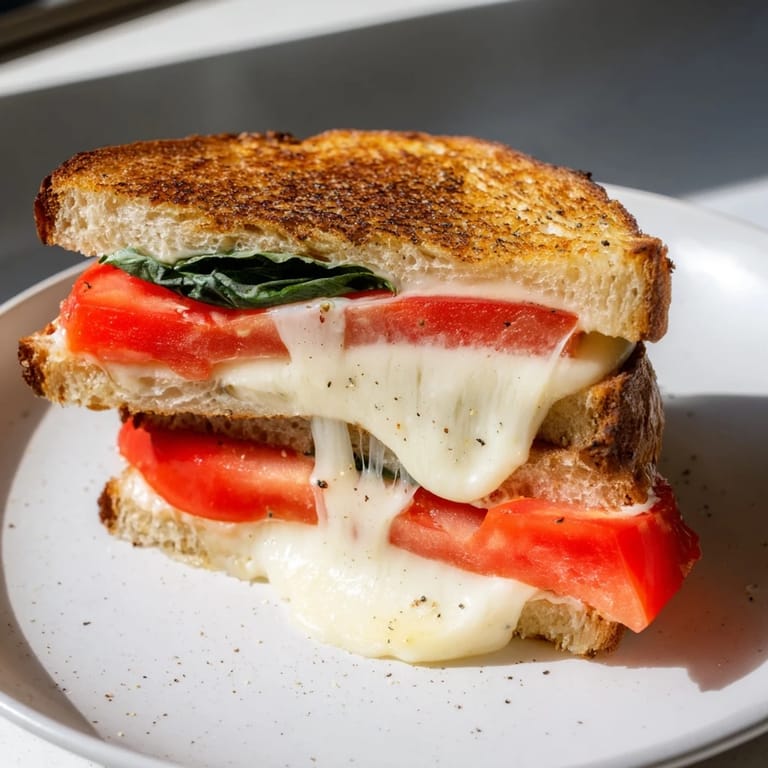
Pin There's something about the smell of butter hitting a hot skillet that makes everything feel possible in the kitchen. I discovered this version of grilled cheese on an ordinary Tuesday afternoon when I had fresh basil that needed using and a tomato that had finally ripened on my windowsill. It wasn't a planned dish so much as a happy accident born from looking in the fridge and thinking, why not make this better than the usual? That first bite—the warmth of melted mozzarella against cool tomato juice, the basil releasing its green brightness—reminded me that the simplest sandwiches can taste like something special.
I made this for my sister one summer when she was stressed about her job, and she sat at my counter with a cup of tea, just quietly eating and looking out the window. That's when I knew this sandwich wasn't just lunch—it was the kind of thing that gives you a moment to breathe. Now whenever someone needs comfort that isn't complicated, this is what I reach for.
Ingredients
- Sourdough or country-style bread: Use whatever has a sturdy crumb that can handle the heat without falling apart; thick-cut slices are your friend here.
- Mozzarella cheese, sliced or shredded: Fresh mozzarella melts fastest, but aged mozzarella holds its shape better if you prefer less ooze.
- Unsalted butter, softened: This is what gives you that golden, crispy crust—cold butter won't spread evenly, so let it sit on the counter for a few minutes.
- Ripe tomato, thinly sliced: A truly ripe tomato makes all the difference; if yours isn't perfect, don't apologize, but don't rush this part either.
- Fresh basil leaves: Tear them by hand just before assembling so they don't bruise and lose their flavor to your cutting board.
- Salt and freshly ground black pepper: The seasoning matters more than you'd think with something this simple.
Tired of Takeout? 🥡
Get 10 meals you can make faster than delivery arrives. Seriously.
One email. No spam. Unsubscribe anytime.
Instructions
- Butter your bread generously:
- Spread softened butter over one side of each slice, making sure you get it all the way to the edges—those edges crisp up faster and taste best when they're buttery.
- Build your sandwich:
- On the buttered side of the first slice, layer half the cheese, then tomato slices, then basil, then a whisper of salt and pepper, then the remaining cheese on top. This order matters because cheese on the bottom and top keeps everything sealed in.
- Top it off:
- Place the second slice buttered side up on top of the filling, so when it hits the pan, both sides will toast to golden.
- Heat your pan:
- Medium heat is your sweet spot—too high and the outside burns before the cheese melts; too low and it takes forever and tastes like sad bread.
- Cook until golden:
- Place the sandwich in the hot skillet and let it sit for three to four minutes, pressing gently with your spatula so the bread makes contact with the heat. You'll hear a soft sizzle that's almost meditative.
- Flip with confidence:
- When the bottom is golden brown, slide your spatula under and flip. The second side cooks faster because the cheese is already melting from the inside.
- Finish and rest:
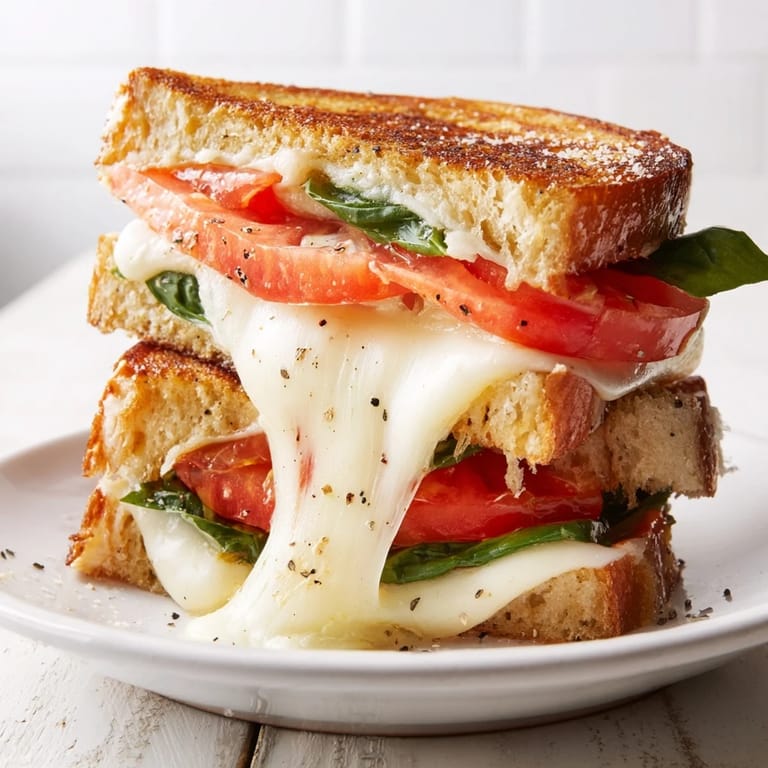
- Once the second side is golden and the cheese is visibly melted inside (you might see it oozing slightly at the edges), transfer to a plate. Let it rest for one minute so the cheese stays inside the sandwich when you cut it.
 Pin
Pin There was a morning when my nephew asked for a grilled cheese after swimming, and while it cooked, he sat on the kitchen stool telling me about the games he'd played. That sandwich became part of a memory I didn't expect to cherish, which is exactly how the best food works.
Variations That Actually Work
Provolone and cheddar both swap in beautifully if mozzarella isn't what you reach for—provolone brings a sharper edge, while cheddar gets almost creamy when it's fully melted. If you want to walk on the wilder side, a drizzle of balsamic vinegar right before serving adds a tangy sweetness that makes people ask what your secret is. Baby spinach or arugula layered in with the tomato adds a peppery crunch that changes the whole personality of the sandwich.
The Small Details That Matter
The butter has to be soft enough to spread evenly, or you'll have patches that brown too fast and gaps that don't toast at all. Tearing the basil by hand keeps it from bruising and turning dark and bitter, which sounds like nothing until you taste the difference. A truly ripe tomato is worth waiting for; an under-ripe one will make the whole thing taste thin and sad.
Serving and Storage
This sandwich is best eaten warm and crispy, right after it comes out of the pan—it doesn't keep well because the bread softens as it cools. I've tried refrigerating leftovers and reheating them, and it's never quite the same magic. The whole point is that moment when everything is hot and melted and the bread is still crunchy at the edges.
- Eat it with a simple green salad and a cold drink for a light meal that somehow feels complete.
- Cut it in half diagonally because that's how sandwiches taste better, even if it shouldn't matter.
- Make two at a time because if you're doing this, why not have one to share or enjoy twice.
 Pin
Pin This sandwich reminds me that cooking doesn't have to be complicated to be delicious, and sometimes the best moments in the kitchen come from the simplest things made with real ingredients and a little care.
Recipe Q&A
- → What cheese works best for this sandwich?
Mozzarella provides a creamy, mild melt but provolone or cheddar can be used for a sharper taste.
- → How do I get the bread perfectly toasted?
Use medium heat and cook each side for 3-4 minutes until golden brown, pressing gently with a spatula.
- → Can I add other greens for extra crunch?
Yes, baby spinach or arugula layers add freshness and texture to the sandwich.
- → Is it necessary to butter the bread?
Butter helps achieve a golden, crispy crust and enhances the flavor of the bread as it toasts.
- → What seasoning should I add for flavor balance?
A pinch of salt and freshly ground black pepper complements the cheese and tomato without overpowering.