 Pin
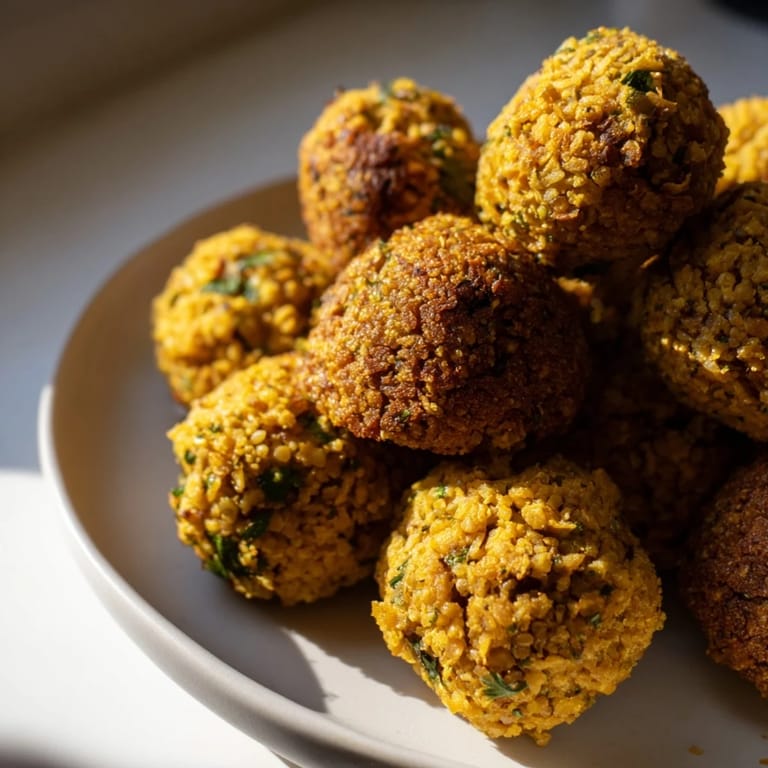
Pin My first real batch of falafel happened on a Wednesday afternoon when my neighbor stopped by with fresh cilantro from her garden. I'd been curious about making them from scratch for months, but something about having those vibrant green leaves in hand suddenly made it feel possible. We soaked chickpeas overnight, and by the next day, the kitchen smelled like something was about to transform from humble to extraordinary. That first golden ball that came out of the oil was still steaming when I broke it open—crispy exterior, fluffy interior, herbaceous and alive. I've been chasing that moment ever since.
I made these for a spontaneous mezze dinner last spring when friends called asking what I was cooking. I didn't have a plan, but I had chickpeas soaking from the night before, and somehow that felt like destiny. Watching everyone's faces when they tasted the warm falafel—seeing them reach for a second, then a third—that's when I realized these weren't just snacks. They became the reason people wanted to come back to my table.
Ingredients
- Dried chickpeas, 1 cup: Soaking them overnight keeps them tender enough to bind without becoming a paste—dried chickpeas are non-negotiable here.
- Fresh parsley and cilantro, 1 cup total: These aren't garnish; they're the soul of the recipe, so pack them in generously and use the best-looking leaves you have.
- Yellow onion and garlic, 1 small onion and 3 cloves: They disappear into the mix and act like flavor amplifiers, making everything taste more like itself.
- Ground cumin and coriander, 2 tsp and 1 tsp: Toast them in a dry pan first if you have time—it wakes them up and deepens the whole experience.
- Cayenne pepper, 1/2 tsp optional: Start with less than you think; you can always add heat, but you can't take it back.
- Baking powder, 1 tsp: This is the secret that keeps them light and fluffy instead of dense; don't skip it.
- All-purpose flour, 3 tbsp: Use just enough to hold everything together; too much and they become starchy instead of crispy.
- Vegetable oil for frying: Choose a neutral oil with a high smoke point—peanut or vegetable oil work best.
Tired of Takeout? 🥡
Get 10 meals you can make faster than delivery arrives. Seriously.
One email. No spam. Unsubscribe anytime.
Instructions
- Soak the chickpeas overnight:
- Rinse the dried chickpeas and cover them generously with cold water, letting them sit for 8 to 12 hours. This is not a step you can rush—soaked chickpeas have the right texture to become light falafel.
- Combine everything coarsely:
- In a food processor, pulse the drained chickpeas with onion, garlic, parsley, and cilantro until the mixture is coarse and breadcrumb-like. This is the moment where restraint matters—you want pieces you can still see, not a smooth paste.
- Season and mix:
- Add cumin, coriander, cayenne, baking powder, salt, pepper, and flour, pulsing briefly until everything is evenly distributed. The mixture should smell incredible at this point.
- Form the balls:
- Using slightly damp hands to prevent sticking, form the mixture into small balls about 1½ inches across. If the mixture feels too loose, sprinkle a little more flour and mix gently until it holds.
- Heat the oil to 350°F:
- Pour 2 inches of oil into a deep pot and let it come to a gentle 350°F. If you don't have a thermometer, a small piece of onion should sizzle immediately when it hits the oil.
- Fry until deeply golden:
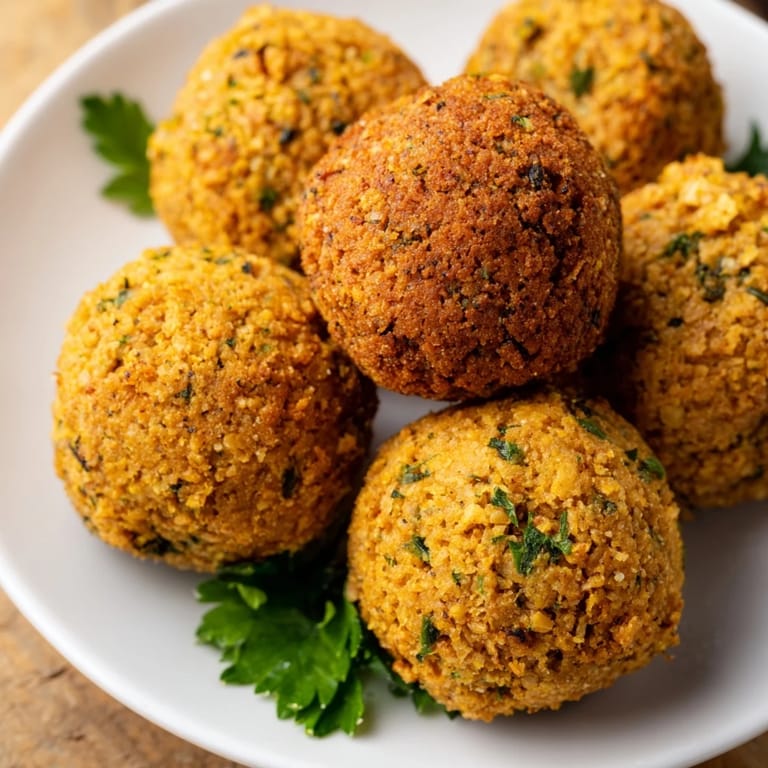
- Working in batches so you don't crowd the pot, fry the falafel balls for 3 to 4 minutes, turning them gently once or twice with a slotted spoon until they're a deep golden brown on all sides.
- Drain and serve:
- Transfer the fried falafel to paper towels to drain while they're still hot, then serve immediately in warm pita with tahini sauce, pickles, and salad.
 Pin
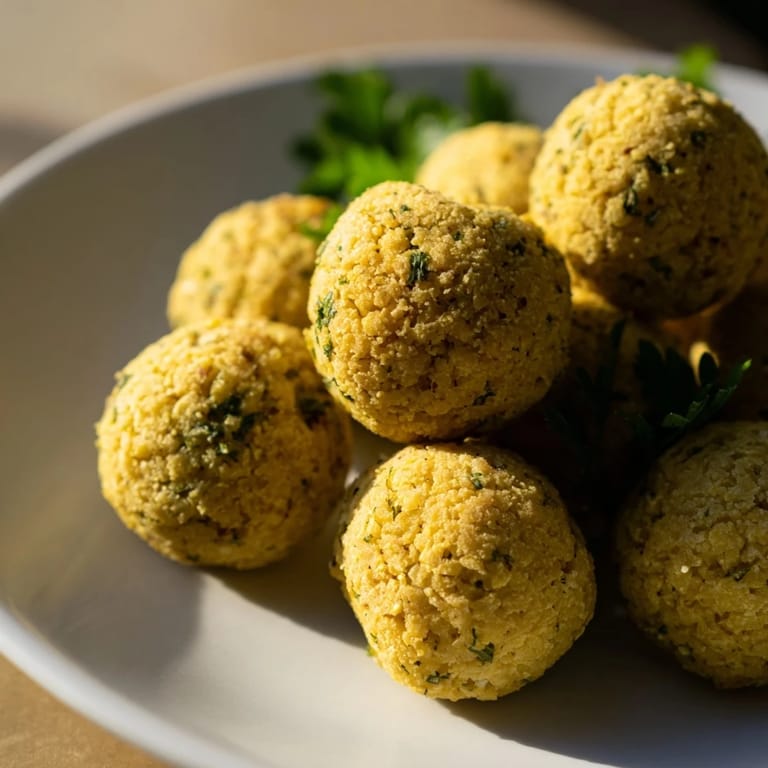
Pin I once made a batch for a potluck and packed them in a container next to the tahini sauce, forgetting they'd soften by the time we arrived. But something unexpected happened—room-temperature falafel still tasted good, just different, almost like a dense croquette. Now I make them knowing they work warm or at room temperature, which makes them more forgiving than most things I cook.
The Secret to Light, Crispy Falafel
The difference between dense, heavy falafel and light, fluffy ones almost always comes down to three things: using soaked dried chickpeas instead of canned, not over-processing the mixture, and getting the oil hot enough. I learned this the hard way after several batches that were disappointingly dense. Once I started respecting those three rules, everything changed. The texture inside became almost cloud-like, and the outside developed that shattering crust that makes people lean in closer for another bite.
Serving and Storage
Falafel taste best served within an hour of frying, still warm and at their crispiest. If you're making them ahead, you can refrigerate the unbaked balls for up to 24 hours and fry them fresh when needed—this is actually my preferred method since it takes the time pressure off. Leftover cooked falafel can be reheated gently in a 300°F oven for about 10 minutes to restore some of their crispness.
Variations and Flourishes
Once you understand the basic method, falafel become a canvas for your own kitchen experiments. I've added ground sumac for tang, a pinch of cardamom for warmth, and even swapped half the parsley for fresh dill when that's what I had on hand. Some people bake them with an oil brush at 400°F for 20 to 25 minutes if they want to avoid deep frying, and while they're less dramatic, they're still good. The beauty of making them from scratch is that they bend to your preferences and what's growing in your garden that week.
- Try a pinch of sumac or cardamom for unexpected depth.
- Serve alongside fresh hummus, tabbouleh, or a creamy tahini-yogurt sauce.
- Make the unbaked mixture ahead and fry fresh just before serving for the best texture.
 Pin
Pin These falafel have become the thing I make when I want to feel connected to something larger than myself, when I want friends around my table, or when I simply need the meditation of soaking chickpeas overnight and knowing something good is coming. They're humble, honest, and entirely within your reach.
Recipe Q&A
- → What is the best way to soak chickpeas?
Soak dried chickpeas in plenty of cold water overnight (8–12 hours) to soften them for blending.
- → How do I ensure falafel texture is crispy outside and tender inside?
Maintain a coarse grind for the mixture and fry the balls in hot oil at 350°F (175°C) for 3–4 minutes until golden.
- → Can I bake the falafel instead of frying?
Yes, brush the balls with oil and bake at 400°F (200°C) for 20–25 minutes, turning halfway for even crispness.
- → What herbs enhance the flavor of these chickpea balls?
Fresh parsley and cilantro add bright, fresh notes, perfectly balancing the warm spices like cumin and coriander.
- → How can I adjust the spice level?
Modify the amount of cayenne pepper according to your heat preference or omit it for a milder taste.