 Pin
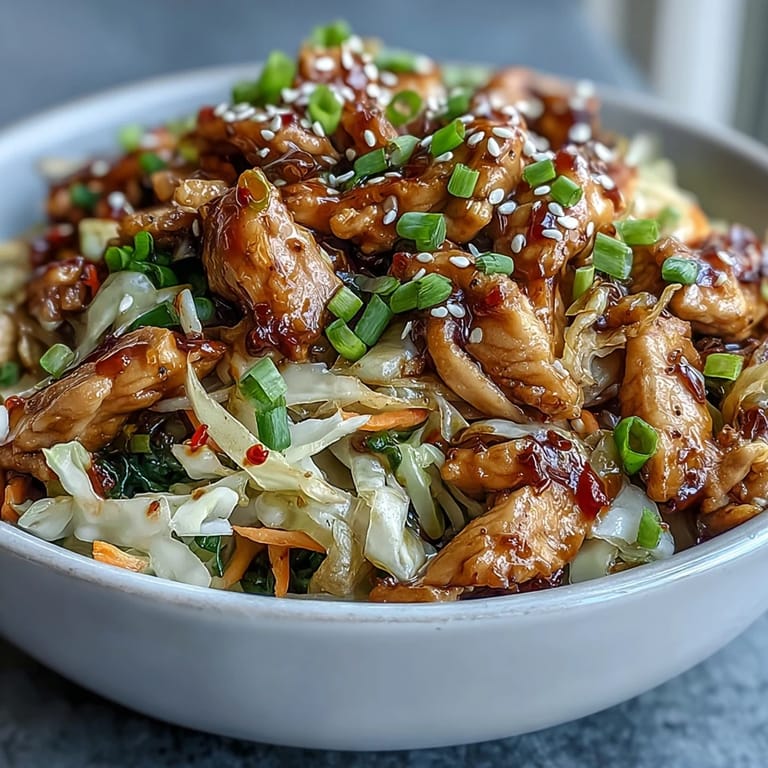
Pin The first time I made egg roll bowls, I stood at the stove completely mesmerized by how fast everything came together. Thirty minutes later, my kitchen smelled like my favorite takeout spot, but I had total control over what went into the pan. Now this rotation of sizzling aromatics and tender cabbage has become my go-to when I want something deeply satisfying but not heavy. The way the soy-sesame glaze clings to every strand of vegetable makes each bite feel complete.
Last Tuesday, my roommate walked through the door mid-sauté and immediately asked what restaurant I had ordered from. When I told her it was just cabbage and chicken, she actually laughed out loud. Now she requests this at least twice a week, and I have started keeping extra shredded cabbage in the crisper drawer just in case. The way the caramelized edges of the chicken catch the glaze is something I never want to live without.
Ingredients
- 1 pound boneless skinless chicken breasts: Thinly slice against the grain so each piece stays tender and cooks quickly through the high heat
- 2 tablespoons neutral oil: Vegetable or canola handles the high temperature without smoking or burning
- 1 medium yellow onion: Thinly sliced into half moons so they melt into the background sweetness
- 2 cloves garlic: Mince these right before cooking so their oils stay fresh and potent
- 1 tablespoon grated fresh ginger: Use a microplane or the smallest holes on your box grater for the most intense flavor
- 4 cups shredded green cabbage: Buy pre-shredded or use the slicing side of your box grater for even strands
- 1 cup shredded carrots: These add natural sweetness and beautiful color contrast
- 2 green onions: Slice on a diagonal for that restaurant-style presentation
- 3 tablespoons low-sodium soy sauce: Starting with less salt lets you adjust seasoning at the end
- 1 tablespoon rice vinegar: Cuts through the richness with just enough brightness
- 1 teaspoon toasted sesame oil: This is the flavor engine so do not use the plain stuff
- 1 teaspoon granulated sugar or honey: Balances the salty soy sauce and helps the vegetables caramelize
- Salt and freshly ground black pepper: Season the chicken as it cooks for layers of flavor
- 1 teaspoon toasted sesame seeds: These add the final nutty crunch that makes it feel complete
- Sriracha or chili crisp: The heat that pulls everything together
Tired of Takeout? 🥡
Get 10 meals you can make faster than delivery arrives. Seriously.
One email. No spam. Unsubscribe anytime.
Instructions
- Mise en place everything first:
- Slice the chicken against the grain into thin strips, shred your cabbage and carrots, mince the garlic and ginger, and slice the onion and green onions before you turn on the stove.
- Get the pan ripping hot:
- Heat your neutral oil in a large skillet or wok over medium-high heat until it shimmers and moves across the surface like water.
- Start with the onions:
- Add the sliced onions and let them soften for about 2 minutes, stirring occasionally until they turn translucent and sweet.
- Wake up the aromatics:
- Stir in the garlic and ginger and cook for just 30 seconds until the scent fills your kitchen.
- Sear the chicken:
- Add the sliced chicken with a light seasoning of salt and pepper, letting it cook undisturbed for a minute before stirring, and continue for 5 to 7 minutes until fully cooked through.
- Make room for the vegetables:
- Push everything to one side and add the cabbage and carrots to the empty space, letting them cook for 3 to 4 minutes until they soften but still have crunch.
- Bring it all together:
- Mix the chicken and vegetables until evenly combined, then pour in the soy sauce, rice vinegar, sesame oil, and sugar.
- Let the glaze work:
- Toss everything for 1 to 2 minutes until the sauce coats each strand and the whole mixture smells incredible.
- Taste and adjust:
- Add more soy sauce, salt, or pepper if needed, then remove from heat and divide into bowls.
- Finish with the good stuff:
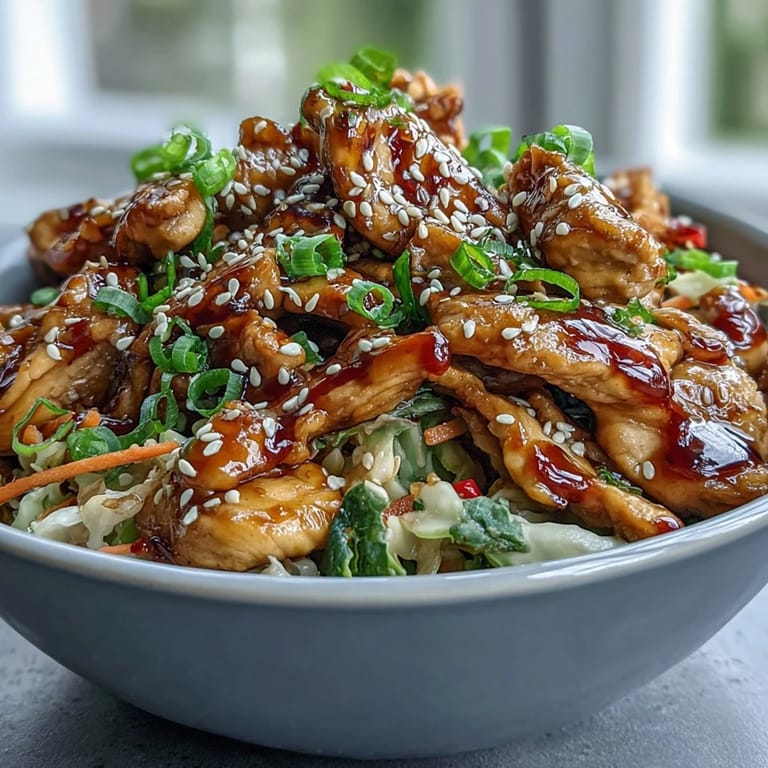
- Top each bowl with sliced green onions, sesame seeds, and as much Sriracha or chili crisp as you can handle.
 Pin
Pin My father-in-law took one bite during a family dinner last month and immediately asked for the recipe. The next week he texted me a photo of his version with the caption that he has made it three times already. There is something about that combination of salty, sweet, and crunch that just works on a primal level.
Protein Swaps That Actually Work
Ground pork or turkey brown beautifully and absorb the glaze just as well as chicken. For a vegetarian version, firm tofu holds its texture when you sear it first before adding the aromatics. I have even used leftover rotisserie chicken on desperate weeknights, and honestly, no one could tell the difference.
The Sauce Foundation
Sometimes I add a splash of fish sauce or hoisin if I want deeper umami notes. A teaspoon of gochujang creates a completely different vibe with Korean-style heat. The rice vinegar is essential though, cutting through the richness so the dish never feels heavy on your palate.
Leftovers Actually Get Better
These bowls keep perfectly in the refrigerator for up to three days, and the flavors develop overnight as the cabbage marinates in the sauce. I pack them for lunch with a side of steamed rice or cauliflower rice depending on how my week is going.
- Reheat in a skillet over medium heat to bring back the sizzle and texture
- Add a fresh drizzle of sesame oil and chili crisp before serving leftovers
- If the cabbage has released too much liquid, crank the heat to reduce the sauce back down
 Pin
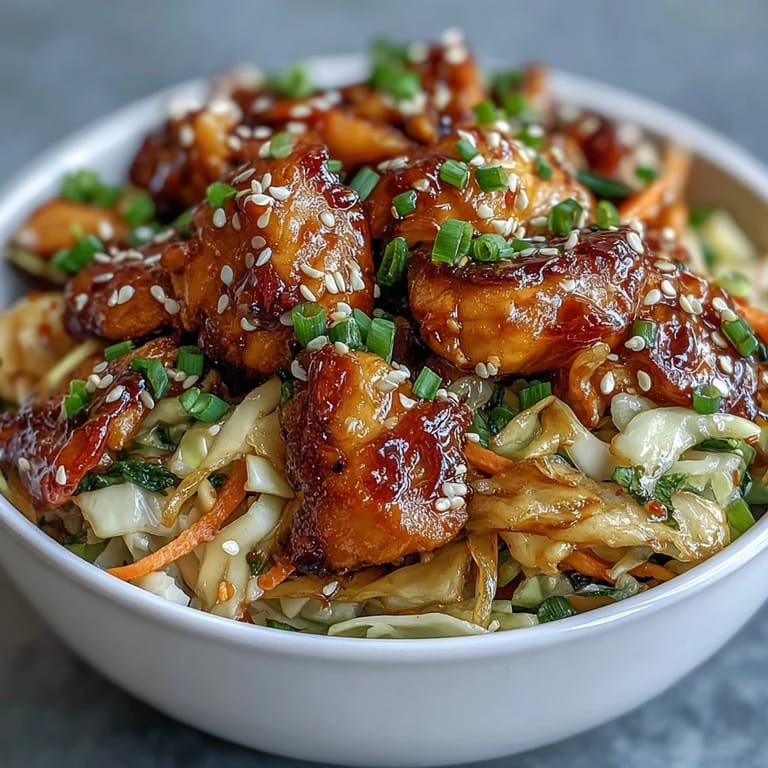
Pin This is the kind of dinner that makes you feel like a competent cook without exhausting yourself. Hope your bowl is full and your week is a little easier for it.
Recipe Q&A
- → Can I use a different protein in this dish?
Absolutely! Ground pork, turkey, or even firm tofu are excellent substitutes for the chicken. Adjust cooking times as needed to ensure the protein is thoroughly cooked and browned.
- → How can I make this dish spicier?
For a spicier kick, increase the amount of fresh ginger or add a pinch of red pepper flakes with the garlic. Serving with extra Sriracha or chili crisp is also a great way to customize the heat level.
- → What if I don't have all the recommended vegetables?
Feel free to substitute or add other quick-cooking vegetables like bell peppers, snow peas, or bok choy. The core idea is a mix of tender-crisp elements, so choose what you enjoy and have on hand.
- → Can this be prepared ahead of time?
You can prepare most ingredients in advance, such as slicing the chicken and shredding the vegetables. The assembled dish stores well in the refrigerator for up to 3 days, making it great for meal prep.
- → Is there a gluten-free option for this dish?
Yes, to make this gluten-free, simply use a certified gluten-free low-sodium soy sauce. All other ingredients are typically naturally gluten-free, but always check labels for hidden gluten.
- → How can I serve this dish differently?
While delicious on its own, it can also be served over steamed white or brown rice for a heartier meal. For a low-carb alternative, consider cauliflower rice. A side of kimchi also complements the flavors well.