 Pin
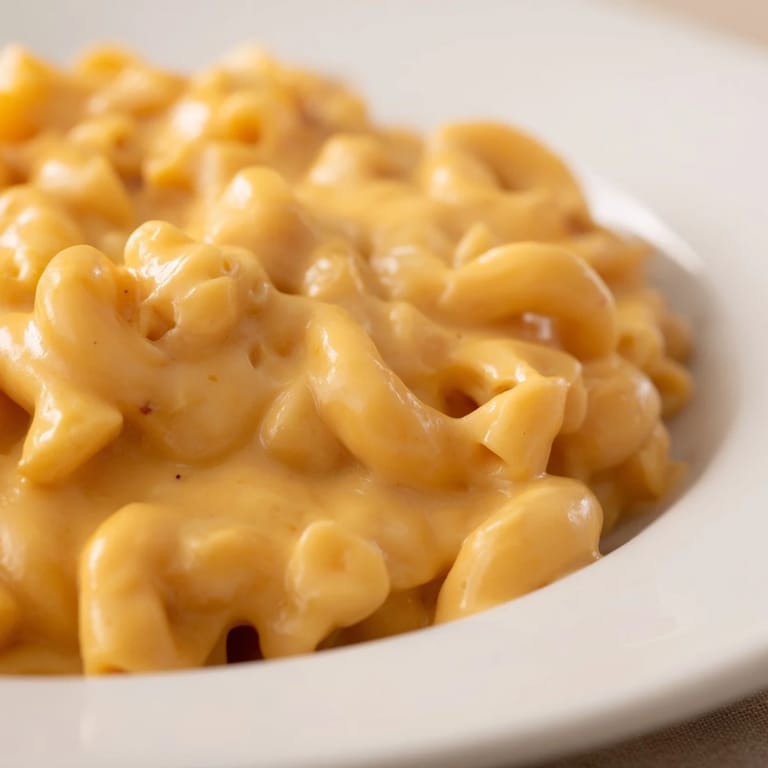
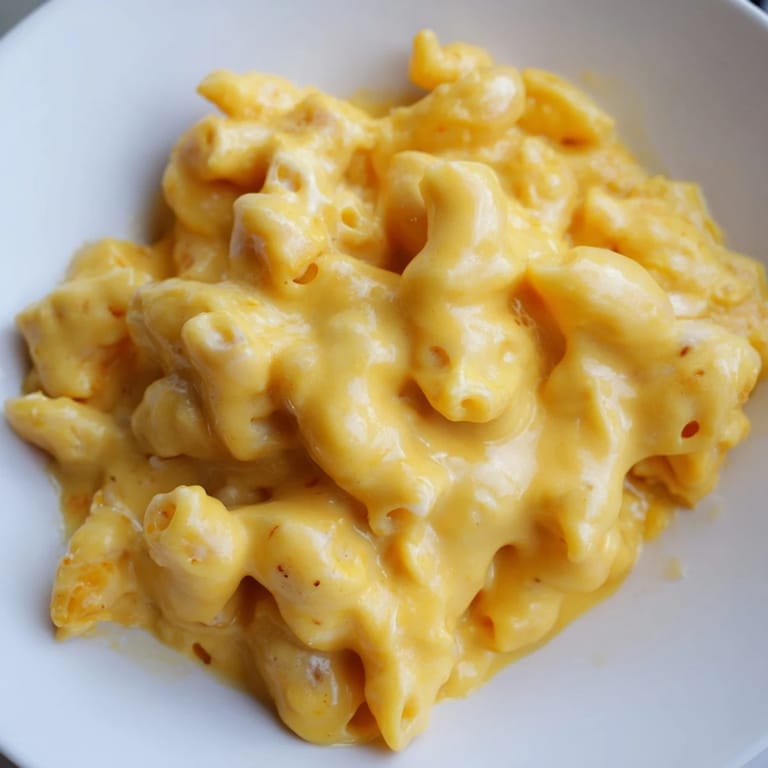
Pin I threw this together on a rainy October evening when I had half a squash sitting on the counter and no plan for dinner. The idea of blending it into mac and cheese came from pure laziness, honestly, but the way it turned into this silky, golden sauce felt like stumbling onto something I'd been missing. Now it's the dish I crave when the air turns cold and I want something that tastes like comfort without the heaviness.
The first time I made this for friends, I didn't mention the butternut squash until after everyone had seconds. One of them looked genuinely betrayed, then laughed and admitted it was the best mac and cheese she'd had in years. That moment taught me that sometimes the best way to introduce something new is to let the flavors speak first.
Ingredients
- Elbow macaroni or small shells: Small pasta shapes hold the sauce better than anything else, and I've found that slightly undercooking them by a minute keeps them from getting mushy when you mix everything together.
- Butternut squash: Roasting it instead of boiling makes all the difference because the caramelization adds a subtle sweetness that balances the sharpness of the cheese.
- Olive oil: Just enough to help the squash brown in the oven without making it greasy.
- Sharp cheddar cheese: This is where the punch comes from, and I always grate it myself because pre-shredded cheese has coatings that make the sauce grainy.
- Gruyère or fontina cheese: Gruyère adds a nutty depth, but fontina works beautifully if you want something milder and stretchier.
- Whole milk: I've tried this with lower fat milk and it just doesn't have the same body, so I stick with whole milk every time.
- Unsalted butter and all-purpose flour: These form the roux that thickens the sauce, and taking the time to let the flour cook out prevents that raw, pasty taste.
- Nutmeg: A tiny pinch transforms the whole dish, adding warmth without being identifiable.
- Dijon mustard: It sharpens the flavors and keeps the sauce from feeling flat.
- Panko breadcrumbs (optional): If I'm feeling fancy or need a little crunch, I'll toast these on top, but honestly the dish is complete without them.
Tired of Takeout? 🥡
Get 10 meals you can make faster than delivery arrives. Seriously.
One email. No spam. Unsubscribe anytime.
Instructions
- Roast the squash:
- Toss the cubed squash with olive oil, salt, and pepper, then spread it out on a baking sheet so the pieces aren't crowded. Roast at 200°C (400°F) for 20 to 25 minutes until the edges turn golden and the flesh is tender enough to mash with a fork.
- Cook the pasta:
- Boil a large pot of salted water and cook the pasta until it's just barely al dente, then drain it and set it aside. The pasta will soften a bit more when it sits in the sauce, so undercooking slightly is key.
- Puree the squash:
- Blend the roasted squash with half a cup of milk until it's completely smooth and the color is vibrant and even. This is where the magic happens because the squash becomes the base of the sauce instead of just an add-in.
- Make the roux:
- Melt the butter in a saucepan over medium heat, then stir in the flour and cook it for a minute or two until it smells nutty and turns a light golden color. Don't rush this step or the sauce will taste starchy.
- Build the sauce:
- Slowly whisk in the remaining milk, stirring constantly to keep lumps from forming, and cook until the mixture thickens enough to coat the back of a spoon. Then stir in the squash puree, both cheeses, nutmeg, and Dijon mustard, and keep stirring until everything melts into a smooth, glossy sauce.
- Combine pasta and sauce:
- Add the cooked pasta to the saucepan and fold it in gently until every piece is coated. The sauce should cling to the pasta without pooling at the bottom of the pot.
- Add the topping (optional):
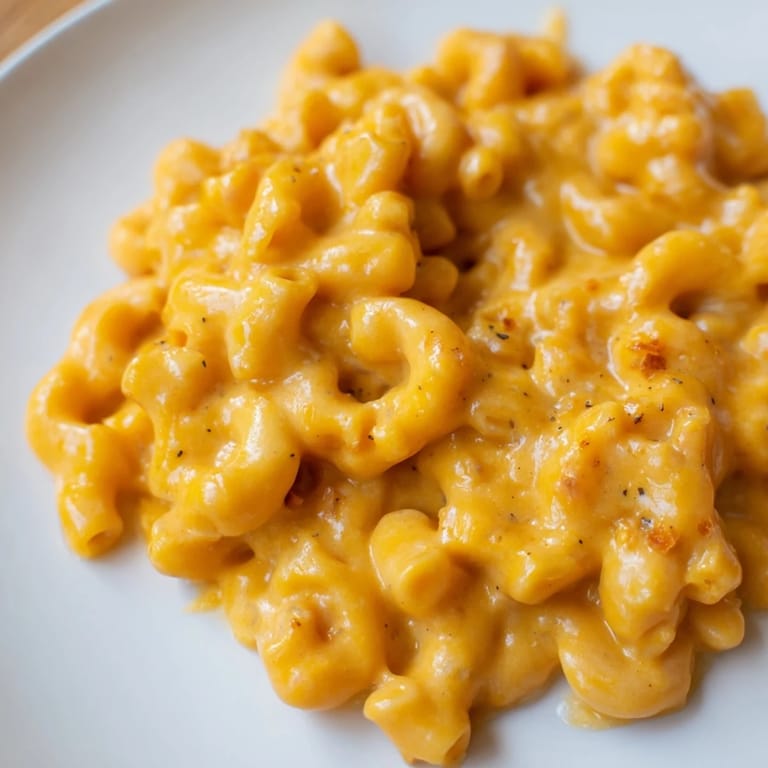
- If you want a crispy finish, transfer everything to a greased baking dish, mix the panko with melted butter and parmesan, sprinkle it over the top, and broil for 2 to 3 minutes until golden and crunchy. Watch it closely because it can go from perfect to burnt in seconds.
- Serve:
- Spoon it onto plates while it's still hot and steaming. I sometimes add a sprinkle of fresh thyme or parsley just for color, but it's not necessary.
 Pin
Pin There's something about the way this dish fills the kitchen with warmth that makes it more than just dinner. I made it for my mom once when she was visiting, and she said it reminded her of the kind of meal you eat slowly, savoring every bite. That's exactly what it's meant for.
Storing and Reheating
Leftovers keep in the fridge for up to three days in an airtight container. When I reheat it, I add a tablespoon of milk and warm it gently on the stovetop, stirring often, because the microwave tends to make the sauce separate. It won't be quite as silky as when it's fresh, but it's still delicious.
Swaps and Variations
I've swapped Gruyère for fontina when I wanted something milder, and I've stirred in sautéed spinach or kale for extra greens. One time I added crispy bacon on top for a friend who isn't vegetarian, and it added a smoky crunch that worked surprisingly well. You can also use different pasta shapes like cavatappi or shells, though I always come back to elbows for the nostalgia.
What to Serve With It
This feels like a complete meal on its own, but I've paired it with a simple arugula salad dressed with lemon and olive oil to cut through the richness. A crisp white wine like Chardonnay or a light Pinot Grigio balances it beautifully. Sometimes I'll serve it alongside roasted Brussels sprouts or green beans if I'm feeding a crowd.
- Keep a close eye on the broiler if you're adding the panko topping because it goes from golden to burnt in less than a minute.
- Taste the sauce before adding the pasta and adjust the salt, because the cheese adds a lot of saltiness on its own.
- This reheats better if you slightly undercook the pasta the first time, so it doesn't turn mushy when warmed up.
 Pin
Pin This is the kind of recipe that gets better the more you make it because you'll start to know exactly how thick you like the sauce and how crispy you want the top. I hope it becomes one of those dishes you turn to when you need something that feels like a hug.
Recipe Q&A
- → How do I roast butternut squash perfectly?
Toss peeled cubes in olive oil, salt, and pepper, then roast at 200°C (400°F) for 20–25 minutes until tender and caramelized.
- → What pasta shapes work best for this dish?
Elbow macaroni or small shells hold the sauce well, offering a nice balance of texture and bite.
- → Can I substitute cheeses in this dish?
Gruyère may be swapped for fontina or mozzarella to soften the flavor, keeping the creamy texture intact.
- → What adds depth to the cheese sauce?
A touch of Dijon mustard and a pinch of nutmeg enhance the cheesy sauce with subtle complexity and warmth.
- → How to achieve a crispy topping?
Mix panko breadcrumbs with melted butter and parmesan, sprinkle over before broiling for 2–3 minutes until golden.
- → Are there ways to add greens to this dish?
Adding sautéed spinach or kale introduces vibrant color and nutrients, complementing the rich flavors.