 Pin
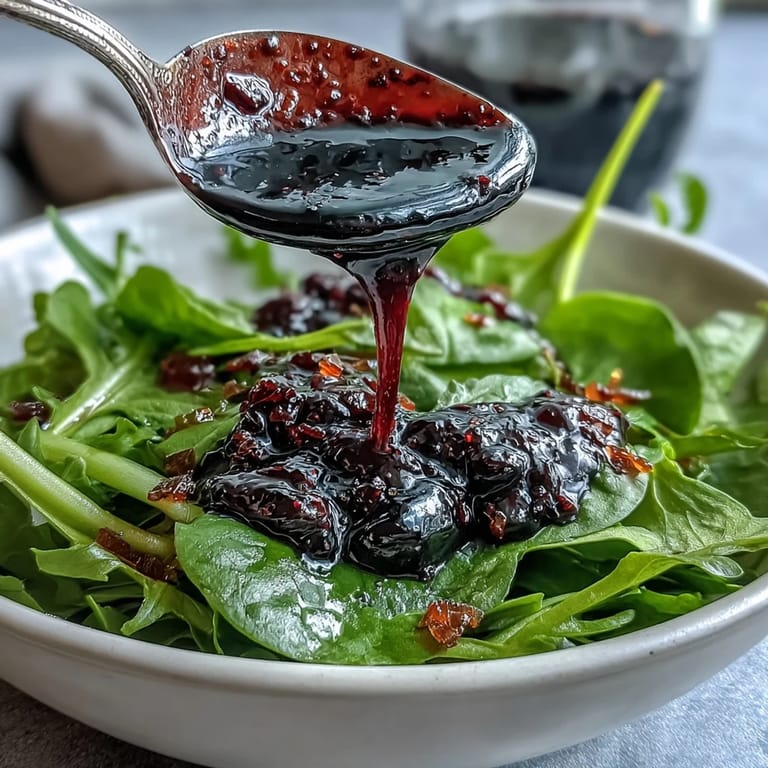
Pin There's something about black currant juice that stops me mid-reach in the grocery store. That deep purple hue caught my eye one afternoon, and I bought a bottle on impulse, not quite sure what I'd do with it. When I got home, I remembered a salad I'd eaten years ago at a small bistro in Lyon, where the dressing had that same tart, almost mysterious intensity. I decided to build a vinaigrette around it, and by the time I whisked in the mustard and olive oil, my kitchen smelled like something between a wine bar and a garden in late summer.
I brought a bowl of this vinaigrette to a potluck last spring, drizzled over a simple spinach and roasted beet salad. My friend Sarah took one bite and immediately asked for the recipe, then spent ten minutes talking about how it tasted like something she'd had on vacation but could never recreate. Watching her face light up reminded me that sometimes the most satisfying cooking moments aren't about technique or complicated steps, but about finding something that feels both surprising and right.
Ingredients
- Black currant juice: Look for unsweetened versions in specialty or European sections; the juice provides the signature tartness and beautiful color that makes this dressing memorable.
- Red wine vinegar or apple cider vinegar: This amplifies the tartness and adds depth, though apple cider vinegar gives a slightly softer finish if you prefer.
- Fresh lemon juice: Brightens everything and prevents the dressing from tasting flat or one-dimensional.
- Extra virgin olive oil: This is where quality matters; use something you actually enjoy tasting on its own, since it's a main player here.
- Dijon mustard: Acts as a natural emulsifier and adds a subtle sharpness that harmonizes with the black currant.
- Honey or maple syrup: Optional, but helpful if your black currant juice is particularly aggressive; adds just enough sweetness to balance without making it dessert-like.
- Shallot: Minced finely, it dissolves slightly into the dressing and adds a gentle onion note that feels sophisticated without overwhelming.
- Sea salt and black pepper: Finish the flavors; taste as you go because these adjust everything.
Tired of Takeout? 🥡
Get 10 meals you can make faster than delivery arrives. Seriously.
One email. No spam. Unsubscribe anytime.
Instructions
- Combine your wet ingredients:
- Pour the black currant juice, vinegar, and lemon juice into a medium bowl, then add the mustard, honey if using, minced shallot, salt, and pepper. Whisk everything together for about a minute until the flavors start playing with each other.
- Build the emulsion:
- This is the moment that feels a bit like magic. Drizzle the olive oil in very slowly, whisking continuously the whole time; rushing this step leaves you with separated dressing, but patience rewards you with something silky and cohesive.
- Taste and trust your instincts:
- Take a small spoonful on a piece of lettuce or bread and see how it feels. If it needs more tartness, add a touch of vinegar; if it's too sharp, a tiny bit of honey or salt mellows it out.
- Store or use immediately:
- This dressing is best used right away when the flavors feel bright, but it keeps happily in a jar in the refrigerator for up to a week. Give it a good shake before each use since the oil will separate slightly over time.
 Pin
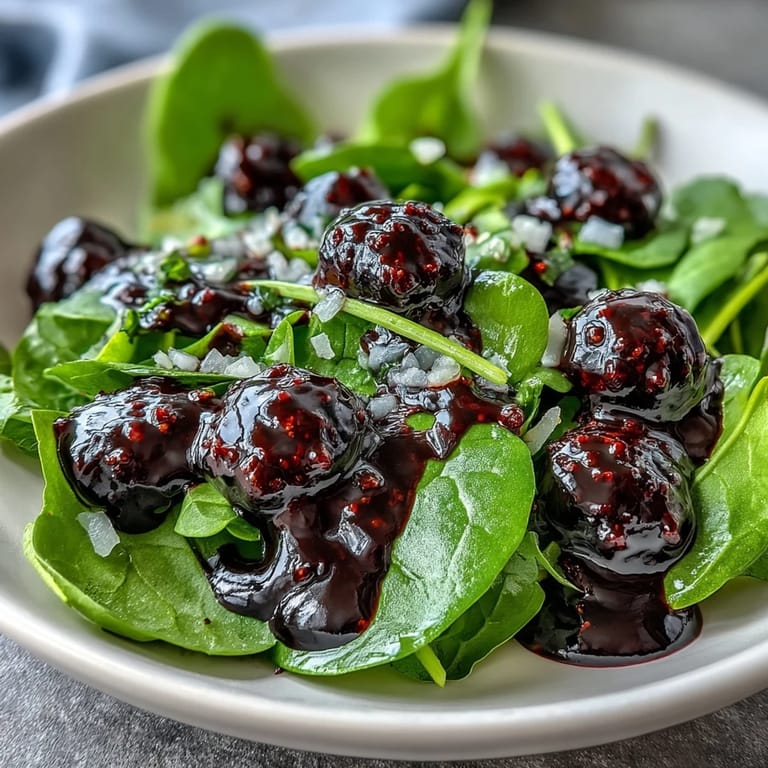
Pin I made this dressing on a weeknight when I was tired and wanted something that felt both simple and special. My daughter came into the kitchen as I was whisking, and I let her taste a spoonful before it was finished; she made a face at the tartness, then asked for more. There's something about watching someone experience food the way you do that makes you appreciate what you've created.
Why Black Currant Changes Everything
Black currants aren't as familiar to everyone as lemons or vinegars, so using them in a dressing feels a bit like sharing a secret. The juice has this deep, berry-forward tartness that works differently than citrus; it's rounder somehow, less acidic-feeling even though it's technically just as tart. This means you can use less vinegar than you'd normally expect and still get that bright, palate-cleansing quality that makes a salad feel alive.
Making It Your Own
Once you understand the basic balance of this vinaigrette, you can play around with it in ways that suit your pantry or mood. I've swapped in pomegranate or cranberry juice when black currant wasn't available, and each version tastes distinctly different but equally good. The ratio of juice to vinegar to oil stays mostly the same, which means you're really just adjusting the personality rather than starting from scratch.
Perfect Pairings Beyond Basic Salad
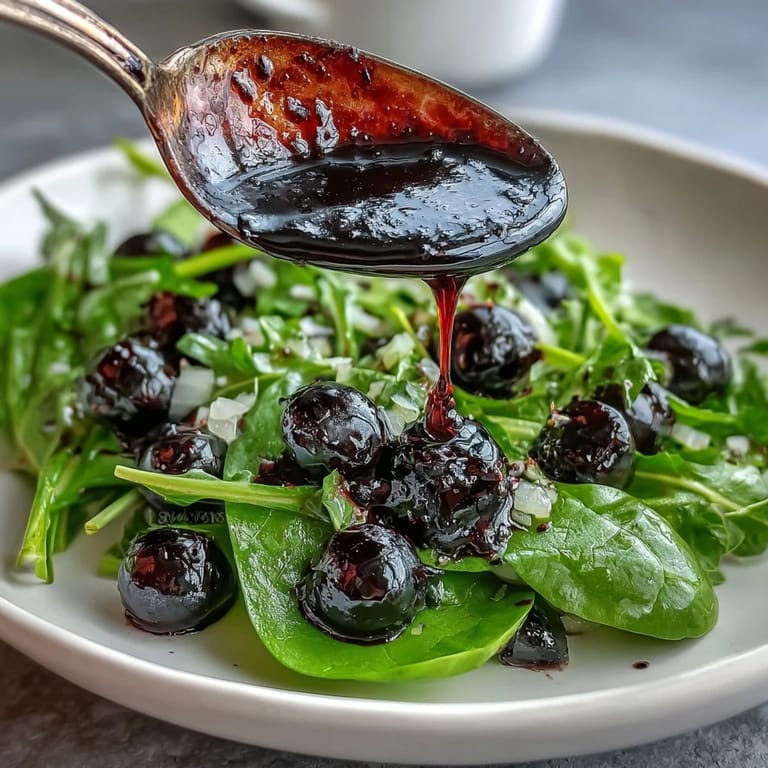
This dressing doesn't want to be confined to a bowl of lettuce, though it's beautiful there. I've drizzled it over roasted beets and goat cheese, brushed it onto grilled chicken right before serving, and spooned it over a grain salad with roasted carrots and feta. The tartness cuts through rich foods and brings brightness to anything that's been caramelized or charred.
- Try it over roasted Brussels sprouts or root vegetables where the tartness balances the natural sweetness.
- Use it as a finishing sauce for grilled fish or salmon instead of just a salad dressing.
- Mix it with a creamy element like yogurt or crème fraîche for a more substantial sauce.
 Pin
Pin A good vinaigrette is one of those quiet kitchen skills that changes everything you cook. This one, with its unexpected black currant depth and elegant simplicity, has become something I find myself making almost without thinking.
Recipe Q&A
- → What does black currant vinaigrette taste like?
The vinaigrette delivers a distinctive tart, slightly sweet flavor profile with deep berry notes. The black currant provides bold fruitiness while the vinegar adds brightness, creating a complex, well-rounded dressing that's both refreshing and sophisticated.
- → How long does homemade vinaigrette last?
Store in an airtight jar in the refrigerator for up to one week. The olive oil may solidify when cold—simply bring to room temperature and shake vigorously before each use to re-emulsify.
- → What salads pair best with black currant dressing?
This vinaigrette shines over mixed baby greens, fresh spinach, arugula, or delicate spring lettuces. It particularly complements salads featuring goat cheese, roasted beets, candied walnuts, or fresh berries. Also excellent over grain bowls with quinoa or farro.
- → Can I substitute the black currant juice?
Yes. Pomegranate juice offers similar tartness and color, while cranberry juice provides comparable acidity. For a different profile, try cherry or grape juice—just adjust the sweetener to taste as these alternatives may vary in natural sweetness.
- → Why include Dijon mustard in vinaigrette?
Dijon acts as an emulsifier, helping oil and vinegar blend into a smooth, cohesive dressing rather than separating. It also adds subtle depth and a gentle tang that complements the black currant without overpowering the delicate berry flavors.
- → Is this vinaigrette suitable for special diets?
As written, this dressing is vegetarian, vegan, gluten-free, and dairy-free. Always verify that your Dijon mustard and vinegar are certified gluten-free if avoiding gluten. The honey can be replaced with maple syrup to maintain strict vegan compliance.