 Pin
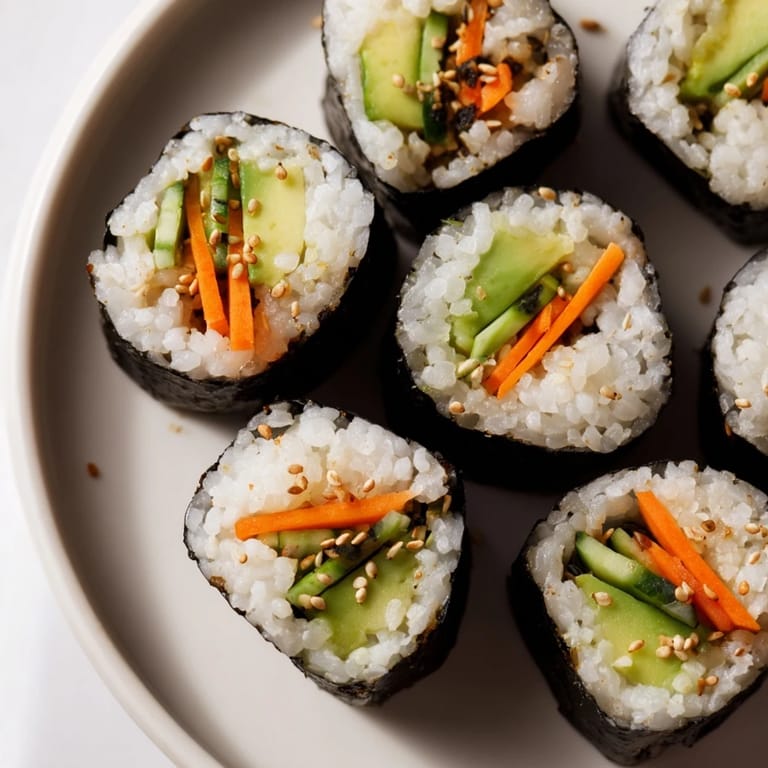
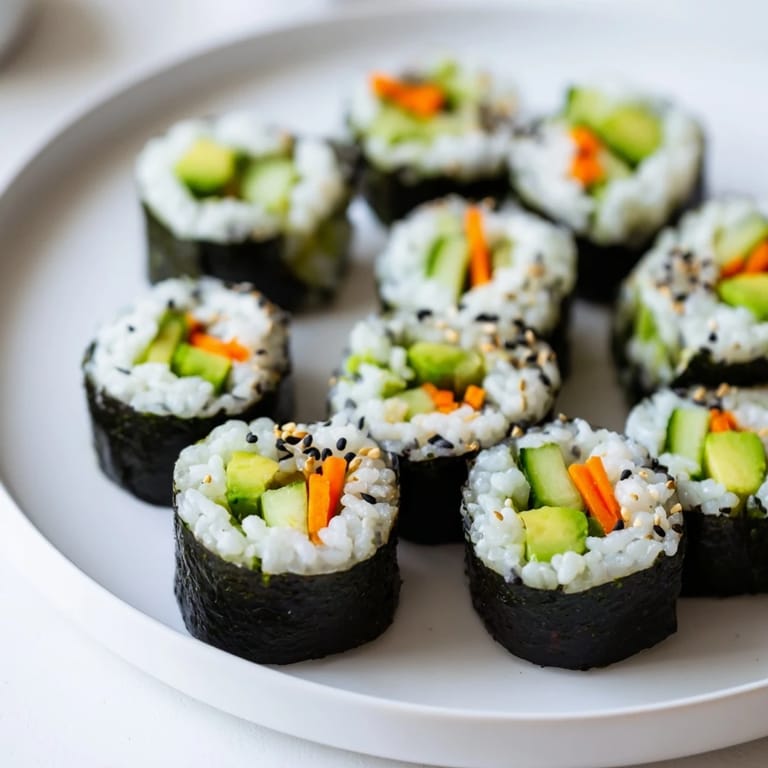
Pin I used to think sushi was intimidating until a friend showed me how simple veggie rolls could be. We stood in her tiny kitchen, laughing as grains of rice stuck to our fingers, and suddenly the mystique was gone. That afternoon taught me that great food doesn't need fancy ingredients or years of training. Sometimes all you need is fresh produce, a little patience, and willing hands. These avocado cucumber rolls became my go-to whenever I wanted something light, bright, and completely satisfying.
I remember making these for a potluck where everyone else brought heavy casseroles and pasta dishes. My colorful platter of sushi rolls disappeared first, and three people asked for the recipe before the night ended. One guest told me she'd always wanted to try making sushi but assumed it required special skills. We ended up sitting on the porch talking about how cooking is just organized play, and she texted me a photo of her first attempt two days later. That's when I realized these rolls weren't just food, they were permission to try something new.
Ingredients
- Sushi rice: This short-grain rice turns sticky when cooked, which is exactly what you need to hold everything together, and rinsing it well prevents gummy texture.
- Rice vinegar: The gentle tang balances the richness of avocado and gives the rice that authentic sushi flavor without being sharp.
- Nori sheets: These toasted seaweed sheets add a subtle ocean taste and structure, and buying them pre-toasted saves you a step.
- Avocado: Choose one that yields slightly to pressure but isn't mushy, because overripe avocado will smear instead of slice cleanly.
- Cucumber: The crunch is essential, so pick a firm one and slice it into thin matchsticks for the best texture contrast.
- Sesame seeds: Toasting them for a minute releases nutty oils that add depth, though you can skip this if you're in a hurry.
Tired of Takeout? 🥡
Get 10 meals you can make faster than delivery arrives. Seriously.
One email. No spam. Unsubscribe anytime.
Instructions
- Prepare the rice:
- Rinse the grains under cold water until it runs clear, which washes away excess starch that would make your rice gluey. Cook it low and slow, then let it rest off the heat so every grain finishes steaming to tender perfection.
- Season and cool:
- Fold the vinegar mixture gently into the warm rice using a cutting motion, not stirring, so you don't crush the grains. Spread it on a plate to cool faster, and resist the urge to roll with hot rice or your nori will turn soggy.
- Assemble the roll:
- Lay the nori shiny side down and press the rice evenly with damp fingers, leaving that top border bare so it seals cleanly. Line up your vegetables in a neat row near the bottom edge, then use the mat to roll forward with steady pressure.
- Seal and slice:
- Moisten the bare nori strip with a fingertip of water and press to close the roll into a tight cylinder. Wipe your knife with a damp cloth between cuts to keep the blade clean and the slices sharp.
 Pin
Pin One summer evening I made these for my neighbor who'd just moved in from across the country. She sat at my counter, homesick and exhausted from unpacking, and we rolled sushi together while she told stories about her grandmother's garden. By the time we finished, she was smiling again, and she said the simple act of making something with her hands had grounded her in a way nothing else had that week. Food became friendship that night, and these rolls became a reminder that cooking for someone is one of the kindest things you can do.
How to Pick the Right Ingredients
The quality of your vegetables matters more than you'd think, because there's nowhere to hide in such a simple dish. I've learned to press gently on avocados at the store, looking for ones that give just a little without feeling mushy, and to choose cucumbers that are firm and heavy for their size. The rice vinegar should be the unseasoned kind so you control the sweetness and salt yourself, and nori sheets should feel crisp when you open the package. If they're limp or smell stale, your rolls won't have that satisfying snap when you bite into them.
Common Mistakes and How to Avoid Them
The first time I tried making sushi, I used way too much rice and ended up with rolls the size of softballs that fell apart the moment I cut them. I've since learned that less is more, and spreading the rice thin leaves room for the vegetables to shine. Another mistake is slicing with a dry knife, which drags and tears instead of cutting cleanly. Keep a damp towel nearby and wipe the blade after every slice, and your pieces will look like they came from a restaurant. Finally, don't skip cooling the rice, because warm rice makes the nori soggy and impossible to work with.
Storage and Serving Ideas
These rolls taste best the day you make them, when the nori is still crisp and the vegetables are at their freshest. If you need to store them, wrap each roll tightly in plastic wrap before slicing and keep them in the fridge for up to a day. The texture won't be quite as perfect, but they'll still be delicious. I like to serve them on a wooden board with small dishes of soy sauce, pickled ginger, and a tiny dab of wasabi for anyone who wants heat. Sometimes I'll add a sprinkle of extra sesame seeds or a drizzle of spicy mayo for variety.
- Try swapping cucumber for thinly sliced bell pepper or radish when you want a different crunch.
- If you're feeling adventurous, add a smear of hummus or a few strips of marinated tofu inside the roll.
- Leftover rice can be shaped into onigiri for a quick snack the next day.
 Pin
Pin Every time I make these rolls, I'm reminded that cooking doesn't have to be complicated to be meaningful. Whether you're feeding yourself on a busy weeknight or sharing them with someone you care about, these simple veggie rolls prove that fresh ingredients and a little care are all you need.
Recipe Q&A
- → How do you prepare the sushi rice?
Rinse sushi rice until water runs clear, then cook with water until absorbed. Mix in rice vinegar, sugar, and salt to season, and let cool before assembling.
- → What ingredients are used in the fillings?
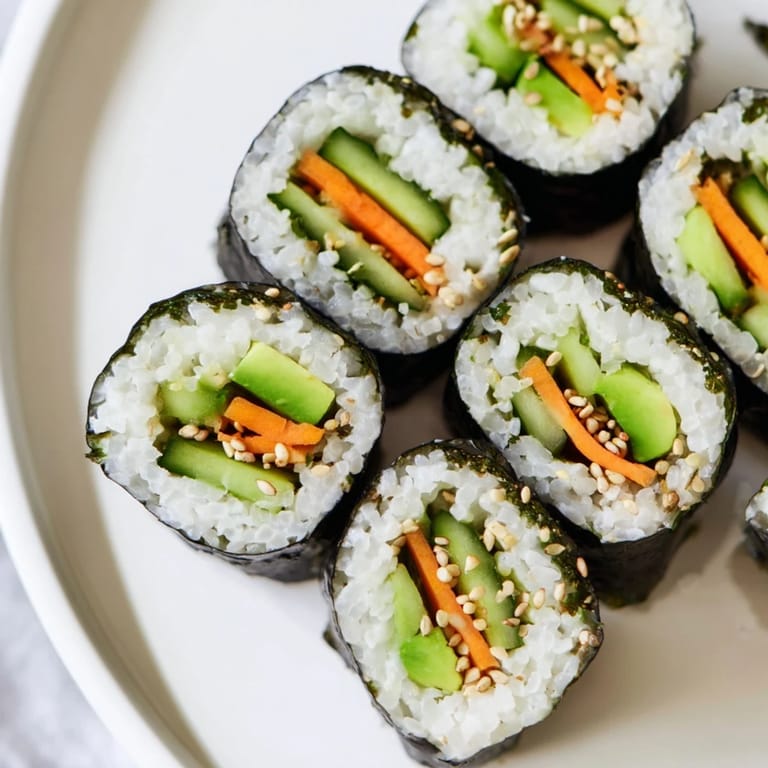
Fresh ripe avocado, julienned cucumber, and optionally julienned carrot and toasted sesame seeds create a crunchy, creamy filling.
- → How should the rolls be sliced?
Use a sharp, damp knife to slice each roll into 6-8 even pieces for clean cuts.
- → Can these sushi rolls be made gluten-free?
Yes, opt for tamari instead of soy sauce when serving to keep this dish gluten-free.
- → What tools are recommended for rolling sushi?
A bamboo sushi rolling mat and a sharp knife are essential for shaping and slicing the rolls precisely.