 Pin
Pin The first time I tasted zarb, I wasn't in a kitchen at all—I was sitting on a rug in the desert outside Amman, watching a Bedouin family unearth a buried tray of meat and vegetables that had been slow-cooking underground for hours. The steam rose up, carrying this intoxicating mix of cumin, cinnamon, and smoke, and I realized then that some dishes are meant to be more than just food; they're ceremonies wrapped in foil and earth. When I finally recreated it at home, I understood why this one-pot wonder has fed families across the Levant for generations.
I made this for my family on a rainy Sunday, and my dad—who never compliments anyone's cooking—went back for thirds and actually asked me to write down the spice ratios. That's when I knew the recipe was worth keeping.
Ingredients
- Lamb shoulder or chicken, bone-in: The bone adds richness and keeps the meat from drying out during the long cook; larger chunks stay more tender than small dice.
- Olive oil: Use a good quality oil here—it carries the flavors into every corner of the meat.
- Ground cumin, coriander, and cinnamon: This trio is the backbone; don't skip any, and toast them lightly in a dry pan first if you have time to deepen their flavor.
- Smoked paprika: This gives you that subtle char and earthiness that mimics cooking over coals.
- Garlic and lemon juice: The garlic mellows as it cooks, and the lemon keeps the meat bright and tender.
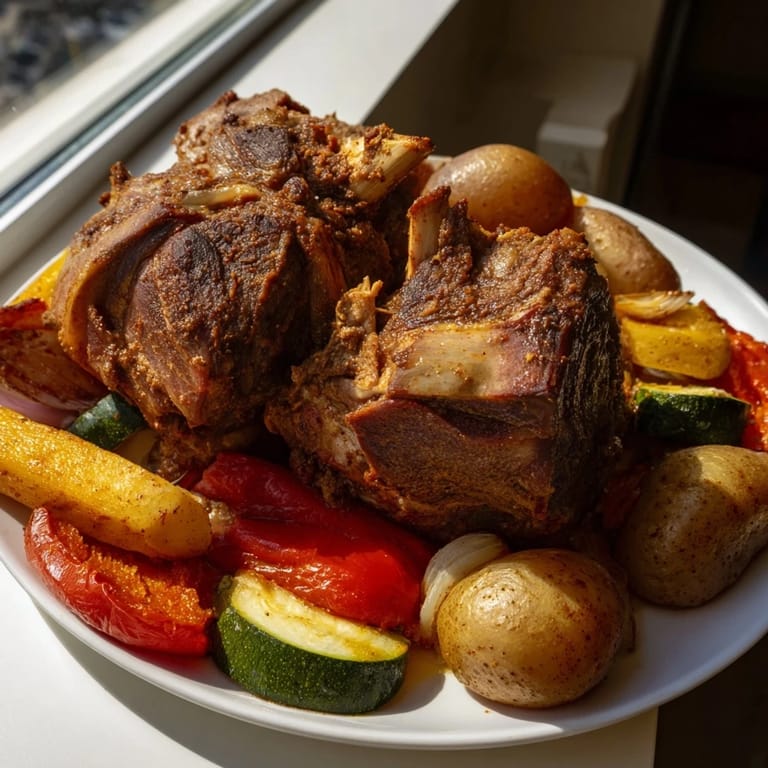
- Potatoes, carrots, onions, zucchinis, and bell peppers: Cut them into pieces large enough that they don't fall apart after two and a half hours of steam.
- Tomatoes: These add moisture and a gentle acidity that balances the richness of the meat.
Tired of Takeout? 🥡
Get 10 meals you can make faster than delivery arrives. Seriously.
One email. No spam. Unsubscribe anytime.
Instructions
- Build your marinade:
- In a large bowl, whisk together olive oil, cumin, coriander, cinnamon, paprika, black pepper, salt, minced garlic, and lemon juice until it's fragrant and the spices are evenly dispersed. Add the meat and massage the marinade in with your hands—really work it in, rubbing it into every crevice. Cover and refrigerate for at least one hour, or overnight if you can; patience here pays off in flavor.
- Prepare your oven space:
- Preheat your oven to 180°C (350°F), or if you're feeling adventurous, prepare your underground pit with hot coals. An oven works just fine and gives you the same incredible results without the desert.
- Arrange your components:
- Place the marinated meat pieces on a wire rack or large roasting tray, spacing them so the heat can circulate. In a separate bowl, toss all your vegetables with a little olive oil, salt, and pepper, then arrange them around and beneath the meat, letting their juices mingle with the meat's as it cooks.
- Seal and slow-cook:
- Cover the tray tightly with foil (or, for authenticity, wrap it in banana leaves first, then foil) to trap the steam and keep all those flavors locked inside. Bake for 2.5 hours until the meat is so tender it nearly falls from the bone and the vegetables are completely soft, caramelized at the edges.
- Cook your rice (optional):
- If serving with rice, combine rinsed rice, broth, butter, and salt in a saucepan and bring to a boil, then reduce heat, cover, and simmer for 15–20 minutes until fluffy and every grain is separate.
- Serve with ceremony:
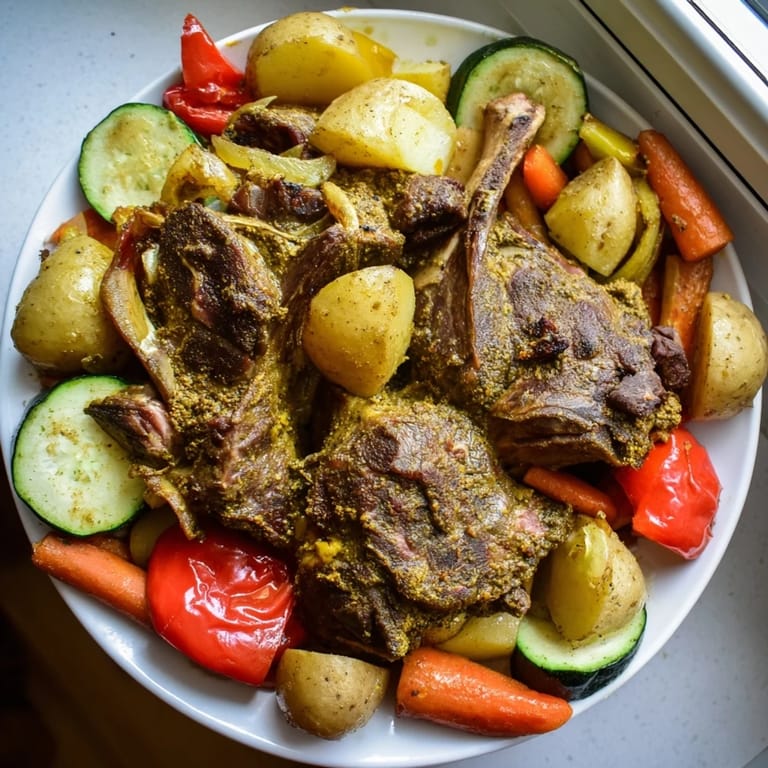
- Carefully open the foil (the steam will be intense), transfer the meat and vegetables to a large platter, optionally over a bed of rice, and spoon all those precious juices on top. The best part is always that liquid gold in the bottom of the pan.
 Pin
Pin There's a moment when you unwrap that foil and the steam hits your face—it's almost sacred. My grandmother once told me that a dish cooked slowly, with all its parts in harmony, teaches you something about patience that you can't learn any other way.
Why This Dish Matters
Zarb isn't just a recipe; it's a way of cooking that Bedouin families perfected over centuries in a landscape where fuel was scarce and time moved differently. Burying meat and vegetables in hot sand or coals meant everything cooked gently, evenly, and together—a kind of cooking that can't be rushed and shouldn't be. When you make it at home, you're honoring that tradition while making something entirely your own.
Variations and Additions
Once you've made it the traditional way, feel free to play. I've added eggplants, which soak up all the spiced juices beautifully, and sweet potatoes for a subtle sweetness. A friend of mine uses half lamb and half chicken, which stretches the recipe further and gives you two different textures in every bite.
What to Serve Alongside
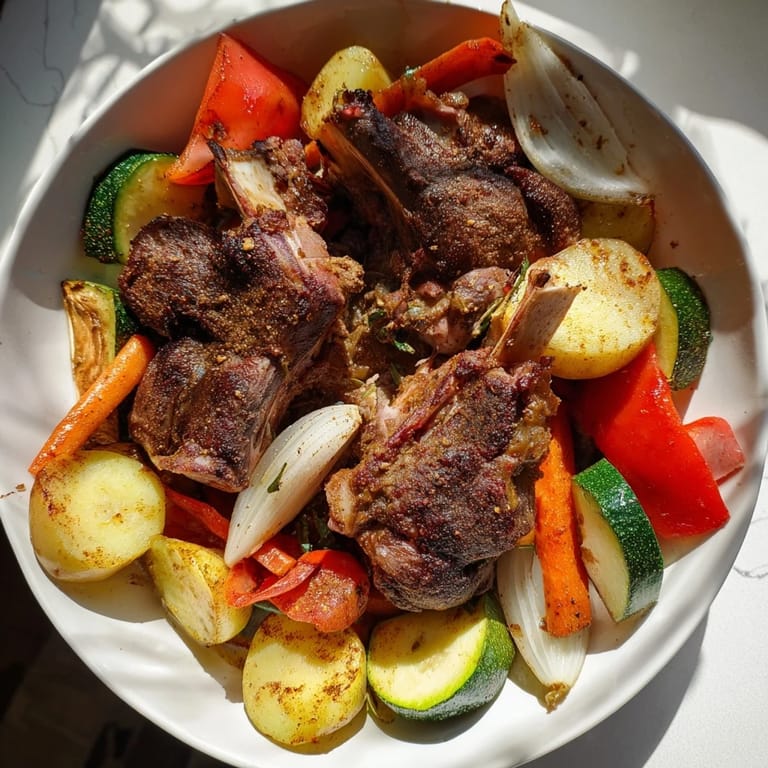
The vegetables inside the zarb are often enough to make a complete meal, but the rice catches all those precious juices and turns them into something even more special. I always serve it with a dollop of tangy yogurt and warm flatbread—the coolness and brightness cut through the richness in a way that feels almost necessary.
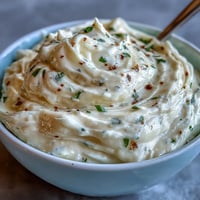
- A thick, cooling yogurt sauce with cucumber and mint is your secret weapon for balance.
- Warm flatbread or pita catches every last drop of that golden, spiced liquid.
- A simple green salad with lemon and olive oil feels like the perfect punctuation mark at the end of the meal.
 Pin
Pin Zarb teaches you that some of the best meals come from patience, from letting heat and time and good spices do their work. Make this, and you'll understand why families have gathered around this dish for hundreds of years.
Recipe Q&A
- → What meats are best for Jordanian Zarb?
Lamb shoulder or bone-in chicken pieces are ideal due to their tenderness and ability to absorb spices well during slow cooking.
- → How long should the meat be marinated?
Marinate the meat for at least one hour, preferably overnight, to allow the spices and lemon juice to deeply penetrate.
- → Can I use a conventional oven instead of an underground pit?
Yes, baking in a standard 180°C (350°F) oven wrapped tightly in foil or banana leaves mimics the traditional slow-cooking environment.
- → What vegetables complement the dish?
Potatoes, carrots, onions, zucchinis, and bell peppers harmonize well, adding texture and absorbing the smoky flavors during slow cooking.
- → Is serving with rice common?
Rice cooked with broth and butter is often served alongside to soak up the flavorful juices and complete the meal.
- → Are there any traditional accompaniments?
Yogurt sauces, flatbreads, robust red wine, or mint tea are popular choices to balance the rich, smoky elements of the dish.