 Pin
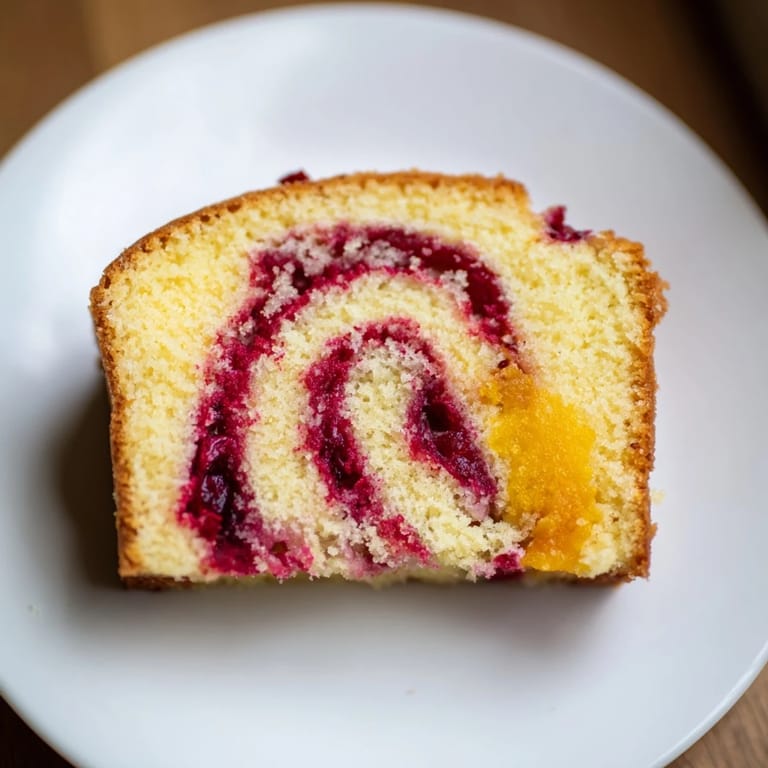
Pin I'll never forget the first time I pulled a Cranberry Orange Swirl cake from the oven during the holidays. My kitchen filled with that intoxicating blend of tart cranberry and bright citrus, and when I sliced into it, the dramatic spirals of deep red and brilliant orange took my breath away. It felt like I'd captured the very essence of the season in a single loaf. That moment—when technique meets beauty—is exactly why this cake has become my signature dessert.
I remember bringing this cake to a family dinner one December, and my grandmother—who'd been baking for sixty years—asked for the recipe immediately. That's when I knew I'd created something special. Watching people's faces light up as they saw that first slice, with its perfect marbling, felt like the real gift.
Ingredients
- Fresh or frozen cranberries (1½ cups): These little flavor bombs are what give the cake its signature tartness and that jewel-toned color. Don't thaw frozen ones—they actually hold their shape better when they go straight into the pan cold.
- Freshly squeezed orange juice (¾ cup): This is where the magic happens; bottled juice won't give you that bright, authentic citrus character that makes people stop mid-bite and ask what they're tasting.
- Orange zest (1 tbsp plus ½ tsp): Use a microplane if you have one—it catches all those fragrant oils that make this cake sing. Organic oranges are worth seeking out here.
- Granulated sugar (1½ cups total): Split between the fruit swirls and cake batter, this sweetens while also helping the fruit mixtures reach that perfect jammy consistency.
- Cornstarch (1 tbsp): This humble thickener is what transforms the orange juice from liquid into that luxurious curd-like swirl. Don't skip it.
- All-purpose flour (2 cups): A gentle, forgiving base for a cake tender enough to let those swirls shine without crumbling.
- Baking powder and baking soda (1½ tsp and ½ tsp): These work together to give you that tender, open crumb that won't fight the swirls.
- Unsalted butter (½ cup): Room temperature is non-negotiable here—cold butter won't cream properly with the sugar, and you'll lose that light, airy structure.
- Large eggs (2), at room temperature: Temperature matters more than you'd think; cold eggs won't incorporate smoothly, which affects the batter's ability to hold the swirls evenly.
- Whole milk (1 cup), at room temperature: This adds tenderness and helps the batter flow around those gorgeous fruit swirls without resistance.
- Pure vanilla extract (1 tsp): A touch of vanilla rounds out the citrus notes and deepens the flavor in the background.
Tired of Takeout? 🥡
Get 10 meals you can make faster than delivery arrives. Seriously.
One email. No spam. Unsubscribe anytime.
Instructions
- Coax the cranberries into glossy, jeweled swirl:
- Place your cranberries, sugar, and water into a small saucepan and set it over medium heat. You're aiming for a gentle simmer—not a rolling boil. As the berries warm, they'll start popping and releasing their gorgeous ruby juice. This is beautiful to watch. After about 7 to 10 minutes, use a wooden spoon to mash them gently, breaking down the firmer ones. You want a thick, jam-like consistency, something that will cling to the spoon. Stir in your orange zest here—it'll distribute beautifully as everything finishes cooking. Give it another 3 to 5 minutes until the mixture looks glossy and deep red, like jewels catching light. The visual cue you're waiting for is a thick consistency that leaves a trail when you drag your spoon across the bottom of the pan. Once it reaches that point, remove it from heat and let it cool completely at room temperature. This cooling step is crucial; warm swirl will bleed into your batter and muddy those beautiful colors.
- Transform orange juice into silky curd:
- Whisk together your fresh orange juice, sugar, orange zest, and cornstarch in another small saucepan until everything is smooth and the cornstarch has no lumps. Set this over medium-low heat and stir constantly. You're looking for it to gradually thicken as it reaches a gentle simmer. After 2 to 4 minutes, it should coat the back of a spoon and have a glossy, curd-like appearance—almost like a thin lemon curd, but brighter. Remove it from heat immediately and let it cool completely. The cornstarch will continue thickening slightly as it cools, which is exactly what you want.
- Build the perfect cake foundation:
- Preheat your oven to 350°F and get your 9-inch loaf pan ready. Grease it generously, then line it with parchment paper, leaving a little overhang on the long sides—this is your lifeline for getting the cake out cleanly later. In a medium bowl, whisk together your flour, baking powder, baking soda, and salt. Set it aside. In a large bowl, beat your softened butter and sugar together on medium speed for a full 3 to 4 minutes. You're aiming for a pale, fluffy texture that's almost doubled in volume—this is where air gets incorporated, and that air will make your cake tender. Add your eggs one at a time, beating well after each one and scraping down the bowl with a spatula. Then mix in your vanilla. Now comes the part that separates good cakes from tough ones: with your mixer on low speed, add the flour mixture in three additions, alternating with the milk. Start with flour, then milk, then flour, then milk, then flour. Mix only until just combined after each addition. The moment everything is incorporated and no flour streaks remain, stop. Overmixing is the enemy here.
- Create your dramatic spiral pattern:
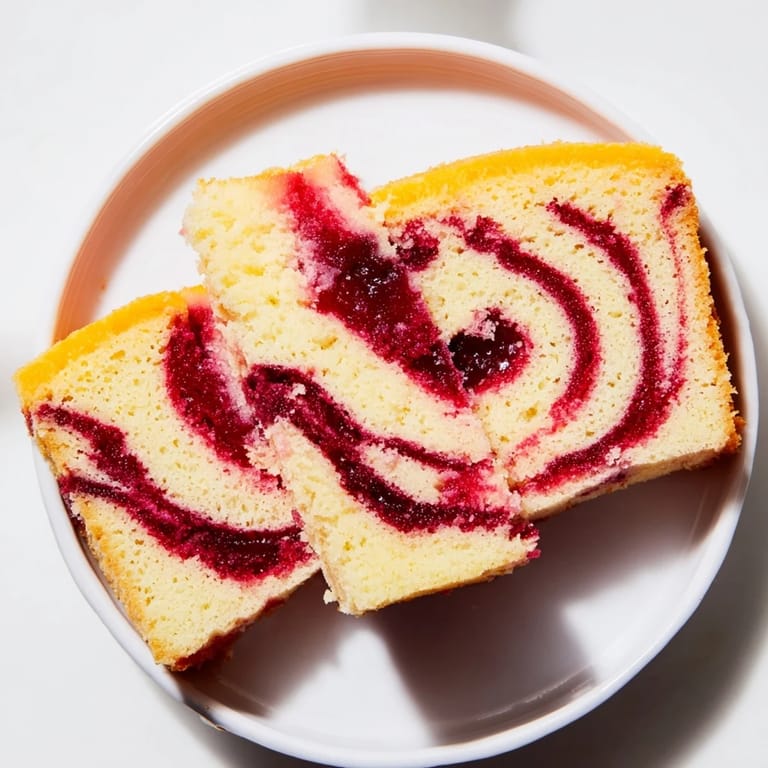
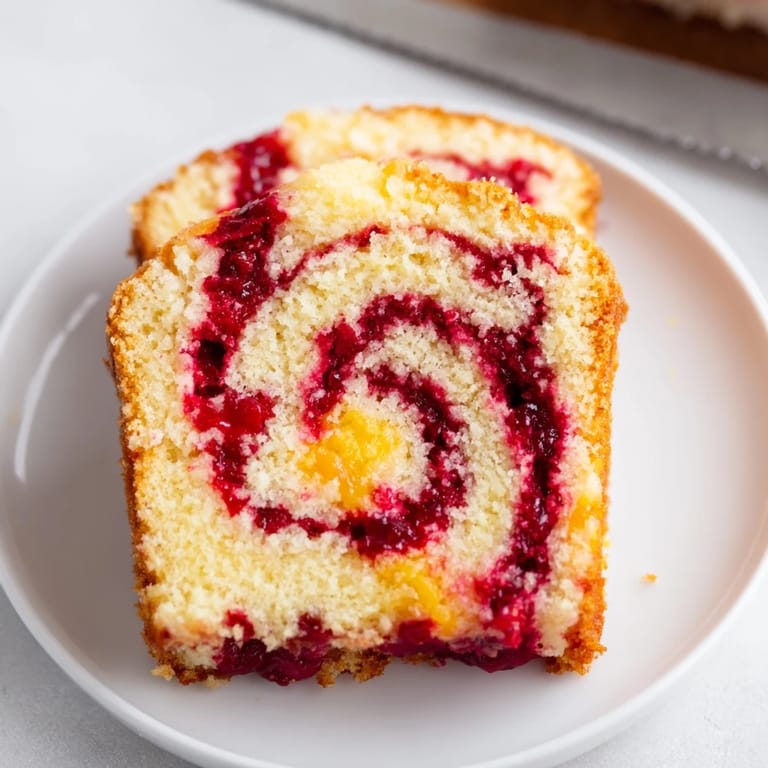
- Pour about one-third of your batter into the prepared pan and smooth it evenly. Now dollop half your cooled cranberry swirl and half your orange swirl over this layer, spacing the spoonfuls so they create an alternating pattern. Here's where the magic happens: take a thin skewer or butter knife and gently drag it through the swirls, creating loose spiral motions along the length of the pan. The key word is gentle—you're not trying to blend the colors completely. You want distinct ribbons of red and orange to remain visible. Repeat this layering with another third of your batter and the remaining swirls. Top with your final portion of batter and create one last gentle swirl on the surface, making it visible and dramatic because this is what everyone will see first.
- Bake until golden and fragrant:
- Place your loaf in the center of the oven and bake for 50 to 60 minutes. You'll know it's done when a toothpick inserted in the center comes out clean or with just a few moist crumbs—not wet batter. If the top starts browning too quickly (around the 35-minute mark), loosely tent it with foil. The finished cake will have a golden top, edges that have pulled slightly away from the pan, and your kitchen will smell like a holiday morning.
- Cool with patience for perfect slices:
- Let the cake cool in the pan on a wire rack for 15 minutes. Then use that parchment overhang to lift the entire cake from the pan and place it directly on the cooling rack. This is important: let it cool completely before slicing. This ensures those swirls set properly and give you clean, defined lines instead of a melted appearance. Once fully cooled, use a sharp, serrated knife to slice, wiping it clean between cuts for the best presentation.
 Pin
Pin I think what makes this cake truly special is that moment when someone cuts into it and gasps—because they're genuinely surprised by how beautiful it is inside. That's when you know you've captured something that goes beyond just being delicious. It's become a moment of joy.
The Science of Perfect Swirls
The secret to keeping those swirls distinct and vibrant lies in temperature and consistency. When your fruit purees are cool, they maintain their individual character as they meet the warm batter. They don't melt into it; they ribbon through it. The cornstarch in the orange swirl is doing more than just thickening—it's creating a barrier that lets the orange color remain bright and separate from the cranberry. Similarly, the thickness of your cranberry mixture means it sinks into the batter and creates those dramatic pockets of color rather than dispersing evenly. It's a delicate balance between blending and distinct separation, which is why your gentle swirling motion matters so much. Too aggressive, and you've destroyed the pattern. Too timid, and the swirls stay floating on top without proper integration. Think of it like painting—you're creating brushstrokes, not mixing all your paints together.
Timing and Make-Ahead Wisdom
This cake is actually quite flexible for holiday planning. You can make both fruit swirls a full day ahead and store them covered in the refrigerator—they develop even more flavor as they sit. The cake batter itself should be made fresh, but once baked, the cake keeps beautifully wrapped at room temperature for two days, or refrigerated for up to five days. For longer storage, wrap individual slices and freeze them for up to two months. The swirls remain distinct even after freezing and thawing, which is honestly remarkable. If reheating is necessary, a gentle 10 minutes in a 300°F oven or a quick 20-second pulse in the microwave (depending on slice thickness) brings back warmth without drying things out.
Variations and Substitutions That Work
While this recipe is perfect as written, there's room for creativity. Lemon juice and zest can replace the orange for a brighter, more tart profile—especially beautiful if you prefer citrus that really punches through. If you want even more visual drama, a single drop of natural food coloring stirred into either fruit swirl will intensify the colors without changing the flavor. For a gluten-free version, swap in a 1:1 gluten-free flour blend without adjusting anything else; the cake bakes identically. Some bakers have experimented with raspberry puree instead of cranberry, which creates a more delicate pink against the orange, and that's equally stunning. The point is this: the technique is sound, so once you understand how the elements work together, you can play with flavors confidently.
- Lemon is a natural choice if you prefer more brightness and tartness to balance the sweetness of the cake.
- Natural food coloring intensifies the visual impact without changing flavor—just a single drop, or you'll get muddy colors.
- Frozen cranberries actually work better than fresh because they hold their shape; use them straight from the freezer without thawing.
 Pin
Pin This cake has become my answer whenever someone asks what to bring to a holiday gathering—it's beautiful enough to feel special, but reliable enough that I never worry. That combination is rare and worth holding onto.
Recipe Q&A
- → How do I achieve distinct swirl patterns?
Layer the batter and fruit purees in thirds, then gently swirl with a skewer—avoid overmixing to keep clear ribbons.
- → Can I use frozen cranberries for the swirl?
Yes, use them directly without thawing to maintain fresh berry flavor and reduce excess liquid.
- → What is the best way to prevent the swirls from bleeding?
Cool fruit purees completely before swirling into the batter to preserve vibrant colors and distinct layers.
- → How can I tell when the cake is done baking?
Insert a toothpick in the center. It should come out clean or with a few moist crumbs, never wet batter.
- → What substitutions work well with this cake?
Swap lemon zest and juice for orange for a tangier note, or use gluten-free flour for dietary needs.