 Pin
Pin Black currant frosting found me on a gray London afternoon when my neighbor brought over a jar of homemade preserves she'd made the summer before. I'd never worked with black currants before—didn't even know what they tasted like—but something about that deep purple color made me want to turn it into frosting. The first batch was too thin, the second too grainy, but by the third attempt, I understood the magic: you're not just mixing jam into butter, you're creating something that tastes like summer fruit wrapped in velvet.
I'll never forget frosting petit fours for my sister's engagement party—tiny, delicate cakes that needed something equally special. The black currant frosting piped into those little rosettes looked almost like jewels, and watching my mother taste one and then immediately ask for the recipe felt like the highest compliment I could get.
Ingredients
- Black Currant Jam or Preserves (1/2 cup): Seedless is best because you want pure, smooth flavor without grit in your frosting; if you only have seeded jam, press it through a fine strainer first.
- Water (1 tablespoon): This loosens the jam so it blends seamlessly into the butter instead of creating clumps.
- Unsalted Butter (1 cup, softened): Softened means it should yield slightly to pressure but still hold its shape—not melted, not cold from the fridge.
- Powdered Sugar (2 1/2 cups, sifted): Sifting removes lumps and aerates it, which means your frosting will be smoother and lighter.
- Vanilla Extract (1 teaspoon): A quiet background note that lets the black currant shine without competing.
- Salt (pinch): This amplifies the fruit flavor and balances the sweetness so it doesn't feel one-dimensional.
- Lemon Juice (1–2 teaspoons, optional): Add this if your frosting tastes a bit flat—it brightens the black currant and makes the flavor pop.
Tired of Takeout? 🥡
Get 10 meals you can make faster than delivery arrives. Seriously.
One email. No spam. Unsubscribe anytime.
Instructions
- Warm and Cool the Jam:
- Pour the black currant jam into a small saucepan with water and warm it gently over low heat, stirring until it's completely smooth and looser than it was in the jar—this takes about 2 to 3 minutes. Let it cool all the way to room temperature; if you add warm jam to butter, it'll separate and look broken.
- Cream the Butter:
- In a large bowl with an electric mixer, beat the softened butter on medium speed for 2 to 3 minutes until it's pale, fluffy, and noticeably lighter in color. This incorporates air and creates the base for silky frosting.
- Build the Frosting Gradually:
- Add your sifted powdered sugar slowly, beating on low speed after each addition—rushing this step leads to powdered sugar dust flying everywhere and an overmixed texture. Once all the sugar is in, mix in the vanilla and salt until just combined.
- Fold in the Black Currants:
- Pour the cooled jam into the butter mixture and beat until everything is completely uniform and smooth, scraping down the sides of the bowl as you go. If you want extra brightness, this is the moment to add lemon juice—taste a tiny bit on your finger first.
- Adjust and Rest if Needed:
- If the frosting feels too soft to pipe or spread, pop it in the fridge for 10 to 15 minutes and it'll firm up beautifully. If it's too stiff, a splash of milk or cream will loosen it back up.
 Pin
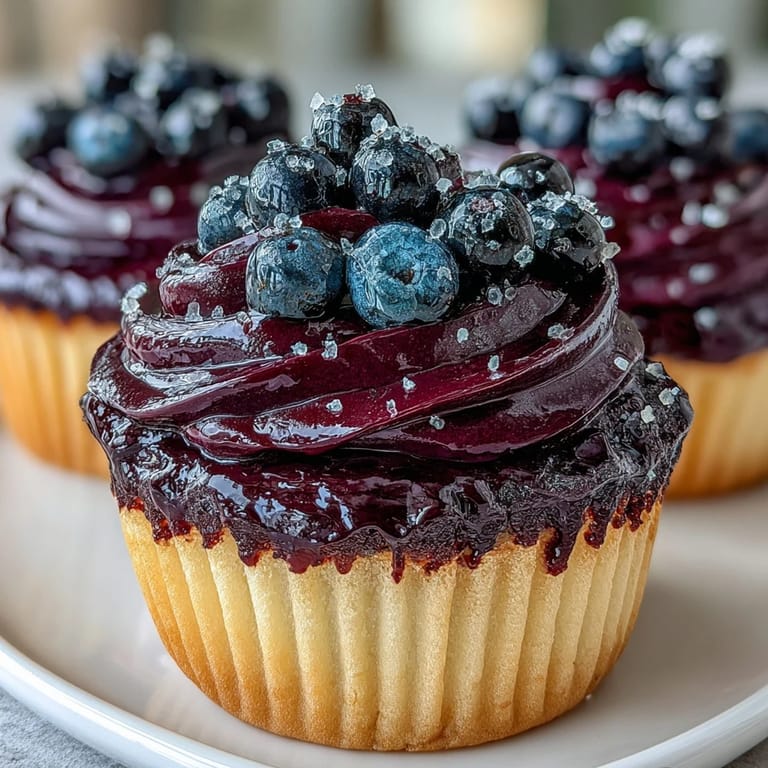
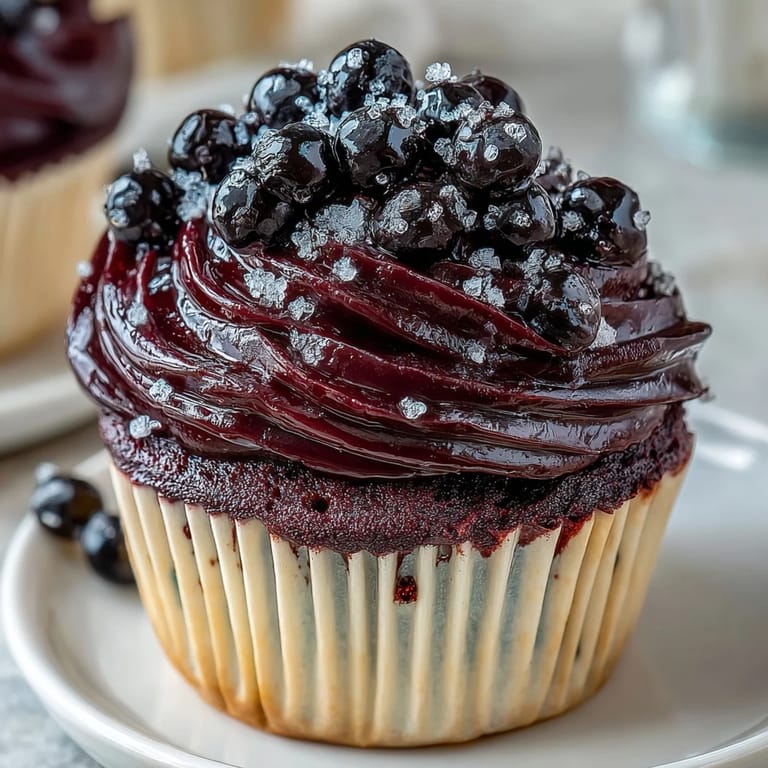
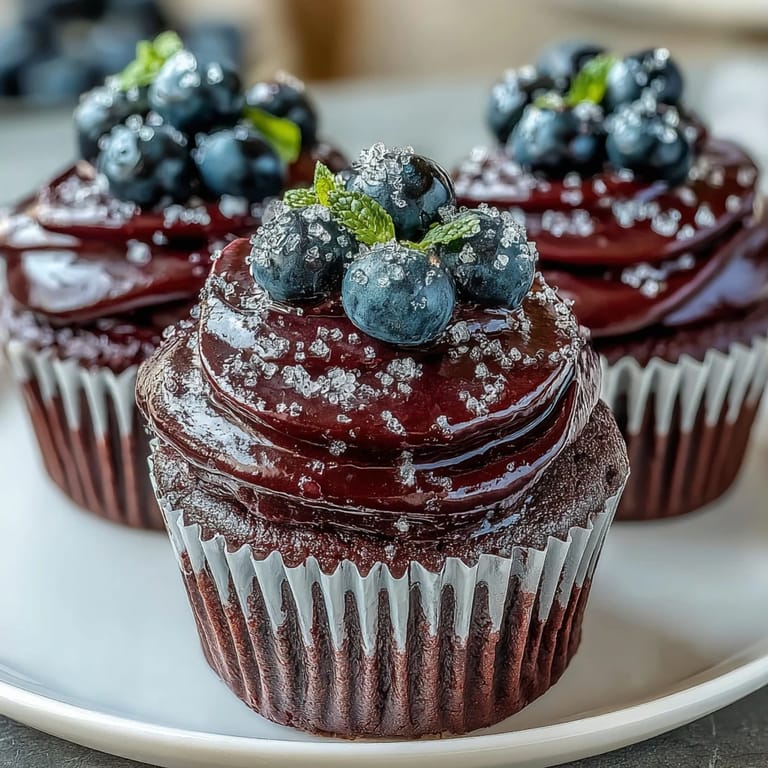
Pin There's a moment when you frost your first cake with black currant frosting where the purple swirls catch the light and you realize you've made something genuinely beautiful. That's when it stops being just a recipe and becomes a memory you'll want to make again.
Understanding Black Currants in Baking
Black currants have this unique flavor that's both tart and deeply sweet, almost like berries and jam had a conversation in your mouth. They're used far more in European baking than American kitchens, which is why this frosting feels a bit special—it's a glimpse into how pastry chefs across the channel think about flavor. The fruit pairs with delicate, not heavy, so don't use this frosting on dense chocolate cakes unless you want the fruit to get lost.
Matching This Frosting to Your Cake
Vanilla cakes are the obvious choice, and they work beautifully because they're a blank canvas for the black currant's complexity. Lemon cake is actually even better—the tartness of the lemon and the tartness of the currant create a kind of harmony that makes you want another bite immediately. Even a delicate chocolate cake works if you're careful with the ratios, though you'll want to use a lighter chocolate so the frosting doesn't disappear.
Storage and Make-Ahead Tips
This frosting is actually more forgiving than a lot of American buttercreams because the jam's acidity helps preserve it. You can make it a day ahead, cover it with plastic wrap, and leave it on the counter—just re-whip it with the mixer for a minute before using to bring back the fluffiness. If you refrigerate it for longer than a few hours, let it come to room temperature first, or it'll be too stiff to work with.
- Store covered at room temperature for up to 1 day, or refrigerate for up to 5 days before re-whipping.
- If frosting separates or looks grainy when you pull it from the fridge, beat it on medium for 1 to 2 minutes and it'll come back together.
- Freeze for up to 2 months in an airtight container if you want to make it weeks ahead.
 Pin
Pin Black currant frosting has become my answer whenever someone asks what I'd make if I could only bake one thing forever. It's elegant enough for a dinner party but simple enough that you don't need to stress while making it.
Recipe Q&A
- → What does black currant frosting taste like?
Black currant frosting offers a unique balance of tartness and natural sweetness, with deep berry notes that are more complex and earthy than sweeter fruits like strawberries or raspberries.
- → Can I use fresh black currants instead of jam?
Yes, cook fresh black currants with a tablespoon of sugar and water until they break down into a thick reduction, then strain and cool before incorporating into the butter base.
- → Why is my frosting too soft or runny?
The frosting may be too soft if the butter was over-softened or the reduction wasn't fully cooled. Chill for 10-15 minutes and add more sifted powdered sugar to reach the desired consistency.
- → What cakes pair best with black currant frosting?
This frosting complements vanilla, lemon, almond, or chocolate cakes beautifully. The tart berry flavor cuts through rich chocolate and enhances bright citrus notes.
- → How long can I store this frosting?
Keep covered at room temperature for up to one day, or refrigerate for up to five days. Bring to room temperature and re-whip with an electric mixer before using.
- → Can I make this frosting in advance?
Absolutely—prepare the frosting up to three days ahead and store it in the refrigerator. Let it soften at room temperature for an hour, then re-whip until smooth before frosting your desserts.