 Pin
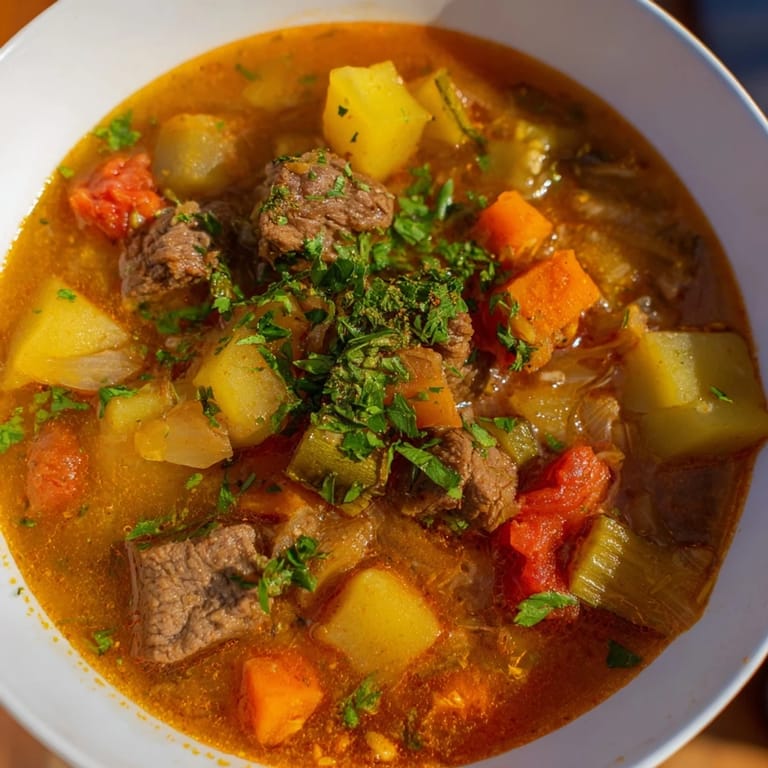
Pin My grandmother's kitchen in Algiers always smelled like this soup simmering on the stove, the kind of warmth that filled every corner before guests arrived. Years later, I found myself recreating it on a cold winter evening, not because I was trying to honor tradition, but because I needed that exact comfort—the way the spices settle into your bones and the lamb becomes so tender it dissolves on your tongue. That first spoonful brought back everything: the sound of her wooden spoon scraping the pot, the hiss when she'd add the tomatoes, the way she'd taste and adjust with such casual confidence. Now I make this soup whenever someone needs feeding, not just for flavor, but for that feeling it carries.
I remember serving this to a table of friends who were skeptical about the cinnamon—they'd never heard of it in soup. By the second bowl, they stopped talking and just ate, and that silence felt like the highest compliment. One friend asked for the recipe before dessert even arrived, which tells you everything about how this soup settles into people.
Ingredients
- Lamb shoulder (500 g, cubed): The collagen in shoulder breaks down during the long simmer, creating that silky mouthfeel—this is why you don't rush to add it at the end.
- Onion, carrots, celery, potato, zucchini: Together they build layers of flavor and create a vegetable scaffold that holds the broth.
- Fresh tomato and canned tomatoes (400 g): The fresh adds brightness while the canned contributes body and depth—use both, not one or the other.
- Garlic (2 cloves, minced): Add it with the softer vegetables so it mellows rather than shouts.
- Tomato paste (2 tbsp): This is your umami anchor, the thing that makes people ask what makes it taste so good.
- Fresh coriander and parsley: Reserve a handful for garnish so their fresh bite hits at the last moment, not buried in the long cook.
- Ground cumin, coriander, paprika, cinnamon, black pepper, turmeric, chili flakes: These spices need to bloom together in the tomato paste—it's the difference between tasting spice and understanding it.
- Olive oil (2 tbsp): Good quality matters here because it's one of the few things you taste directly.
- Water or beef stock (1.5 L): Stock deepens everything, but water works if that's what you have; the lamb carries enough flavor.
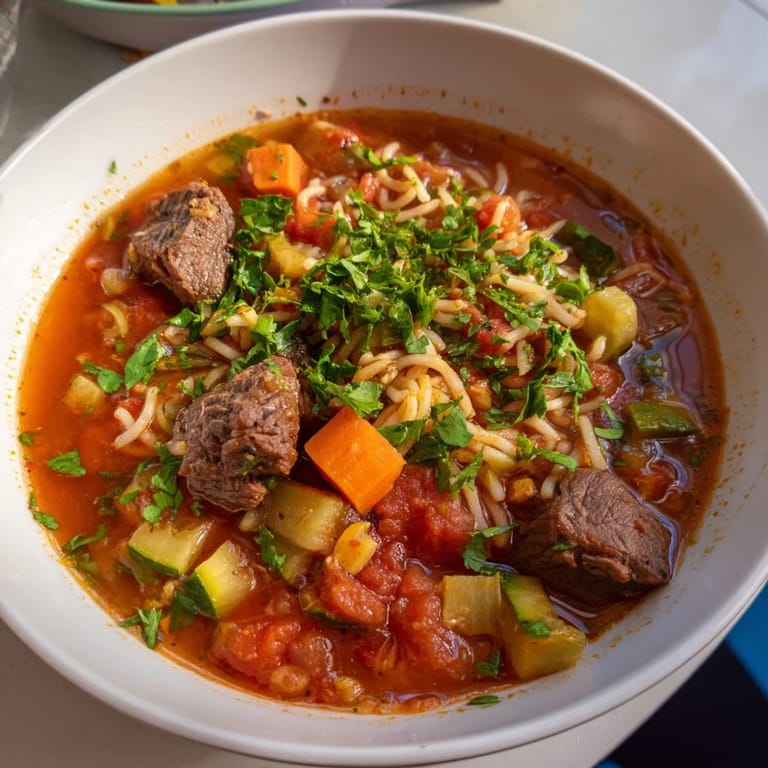
- Vermicelli or small soup pasta (60 g): It should cook in the broth itself so it absorbs all that flavor instead of being a blank slate.
Tired of Takeout? 🥡
Get 10 meals you can make faster than delivery arrives. Seriously.
One email. No spam. Unsubscribe anytime.
Instructions
- Sear the lamb properly:
- Heat oil until it shimmers, then add the cubes in a single layer—don't crowd the pot or they'll steam instead of brown. You want a golden crust on each piece because that's where the flavor lives. This takes about 5 minutes and you'll hear it sizzle; that's your cue you're doing it right.
- Build the soffritto base:
- Once the lamb is seared, add onions, garlic, carrots, celery, and potato all together and let them soften for 5 minutes, stirring occasionally so they catch the oil and release their sweetness. This is where the soup's backbone forms, so don't skip this step even though it feels slow.
- Bloom the spices:
- Stir in tomato paste and all your spices, cooking for just 2 minutes until the whole pot smells like North Africa—this blooming step makes them taste complex instead of flat. You'll notice the aroma intensify; that's the heat unlocking the oils.
- Add the tomatoes and zucchini:
- Stir in the fresh diced tomato, canned tomatoes, and zucchini, mixing everything so the tomato paste coats everything evenly. The liquid from the canned tomatoes starts breaking down the tomato paste, creating the base of your broth.
- Simmer low and slow:
- Pour in water or stock and bring to a boil, then immediately lower the heat to a gentle simmer with the lid on. The lamb needs about 1 hour to become truly tender, and during this time you'll see foam rise to the surface—skim it off with a spoon because it's impurities, and clear broth tastes better. The magic happens here; just let it do its work.
- Add the pasta at the end:
- About 10 minutes before serving, stir in the vermicelli or small pasta and simmer until it's tender but not mushy—this should take about 10-12 minutes depending on the shape. The pasta will absorb the broth and soften, becoming almost creamy.
- Finish with fresh herbs and seasoning:
- Stir in the chopped parsley and coriander right before serving so their brightness cuts through the richness. Taste and adjust salt and spice to your preference; this is your moment to make it personal.
 Pin
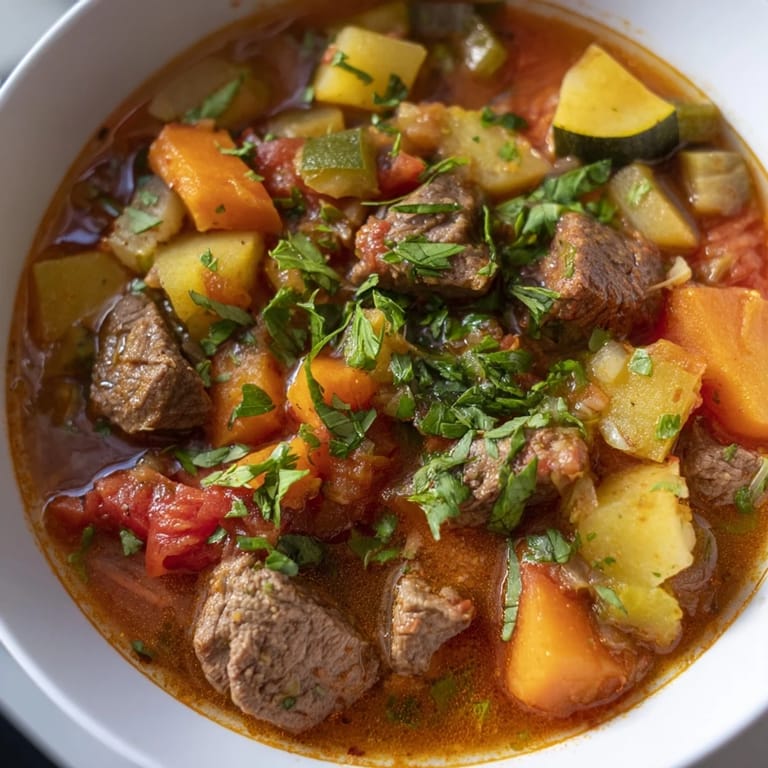
Pin There was a moment when I served this to a friend who was having a rough week, and she cried a little between bites—not because something was wrong, but because the soup felt like someone was taking care of her. That's when I understood this recipe isn't just about flavor; it's about what warmth tastes like.
The Magic of Spice Layering
The first time I made this soup without blooming the spices in tomato paste, it tasted flat and one-dimensional, like I'd just thrown everything in at once. Now I understand that those spices need heat and fat to release their essential oils—it's the difference between cumin tasting like a grocery store and tasting like a Moroccan spice market. The cinnamon catches people off guard at first because soup with cinnamon feels unusual in Western kitchens, but once you taste how it bridges the warm and savory notes, you realize it's exactly right.
Timing and Texture
The 1-hour simmer time isn't arbitrary—it's the minimum for the lamb to surrender completely and for all those vegetables to break down into the broth rather than staying distinct and firm. I've tried to rush it at 45 minutes and the lamb always needs more time, so trust the full hour even when you're hungry. The vegetables soften further and the flavors marry together into something that tastes like it's been simmering all day, not just an hour.
Serving and Storage Wisdom
This soup actually improves overnight as the flavors continue to deepen and settle, so make it ahead without guilt—just cool it completely before refrigerating so the condensation doesn't dilute it. Reheat gently on the stove, adding a splash of water or stock if it's thickened too much from sitting.
- Serve with crusty bread or warm flatbread to soak up the broth, which is honestly the best part.
- A squeeze of lemon right before eating brightens everything and cuts through the richness beautifully.
- If you want extra protein and texture, stir in cooked chickpeas during the last 10 minutes of cooking.
 Pin
Pin This soup is the kind of recipe that tastes like someone cares, and honestly, that's the whole point. Make it for someone you love, or make it for yourself on a day when you need a little comfort.
Recipe Q&A
- → What cut of lamb is best for this dish?
Lamb shoulder cut into cubes is ideal for slow cooking, as it becomes tender and flavorful.
- → Can I substitute the vermicelli pasta?
Yes, small soup pasta or noodles can be used depending on availability and preference.
- → How can I adjust the spice level?
Chili flakes are optional and can be added or omitted to control the heat intensity.
- → Is there a way to make this lighter?
Using chicken instead of lamb lightens the dish while maintaining a rich flavor profile.
- → What herbs enhance the final taste?
Fresh coriander and parsley added at the end brighten the soup and add a fresh herbal note.
- → Can I prepare this ahead of time?
Yes, flavors deepen when reheated the next day, making it suitable for meal prep.